FREE SHIPPING ON ORDERS $100 +

Euro-Sports | yesterday

Is a Titanium Road Bike Worth It for Canadian Riders?

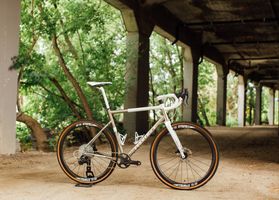
A rough patch of pavement on the Ottawa River Parkway can tell you more about a frame material than a showroom test ride. A titanium road bike has a distinctive way of taking the edge off broken asphalt while still feeling direct when you stand on the pedals. For riders putting in long training blocks, chasing fondos, commuting through shoulder seasons, or building one road bike to keep for decades, that balance is the point.


Titanium is not automatically the fastest choice, the lightest choice, or the least expensive choice. What it offers is a rare combination of fatigue resistance, ride quality, corrosion resistance, and custom-build potential. If those qualities match how and where you ride, it can be one of the most satisfying investments in cycling.

What a Titanium Road Bike Feels Like on the Road


The usual shorthand is that titanium feels smooth, but that does not quite explain it. A well-designed titanium frame filters high-frequency chatter from chipseal, expansion joints, and patched pavement without feeling vague through a fast corner. It retains enough feedback that you can feel tire grip and place the bike accurately, yet it is less punishing over four or five hours than many overly stiff race frames.


That character comes from more than the material itself. Tube diameter, wall thickness, butting, frame geometry, fork design, wheel choice, and tire pressure all influence ride feel. A titanium frame built around oversized tubing and an aggressive race position can be exceptionally sharp. A frame with more moderate tubes, longer chainstays, and clearance for 30 mm tires can be remarkably composed on poor pavement.


For Canadian riding, tire clearance matters. Modern road tires in the 28 to 32 mm range can be run at sensible pressures, adding speed and control on imperfect roads. Titanium gives a custom builder a strong platform for that approach, especially for riders who want one bike to cover weekday road training, long charity rides, and the occasional hard-packed gravel detour.


Why Titanium Suits Canadian Conditions


Road bikes in Ontario see more than dry summer kilometers. They encounter spring grit, wet fall rides, temperature swings, and occasional salt exposure from early-season roads. Titanium does not rust, and its natural finish does not depend on paint to protect the frame. That makes it especially appealing for riders who prefer a bike that looks purposeful after years of use rather than precious after every ride.


The frame is not maintenance-free. Headsets, bottom brackets, cable routing, fasteners, bearings, chains, and wheels still need regular attention. Salt and road grime can damage components quickly, regardless of frame material. But a titanium chassis removes one major long-term concern and gives you a frame worth rebuilding when the time comes for fresh parts.


Titanium also has excellent fatigue life when properly designed and built. Carbon frames can deliver very low weight and enormous stiffness, while steel offers classic ride quality and straightforward reparability. Titanium occupies its own lane: it is durable without being heavy in the traditional steel-bike sense, and lively without asking the rider to tolerate a harsh ride.


The Case for a Custom Titanium Road Bike


A stock bike is built around averages. That works well for many riders, but averages can become compromises when proportions, flexibility, injury history, or riding goals fall outside the middle of the chart. Custom geometry is where titanium becomes particularly compelling.


A proper custom process starts with how you ride, not just your inseam. Are you comfortable holding a low front end for a four-hour group ride? Do you have long legs and a shorter torso? Are you returning from a back or shoulder issue? Do you need predictable handling on fast descents, or do you want the bike to feel quick in an urban bunch ride? Those answers shape stack, reach, head angle, trail, chainstay length, and the relationship between saddle, bars, and pedals.


A custom build can also solve practical details that often get ignored. You may want full hidden fender mounts for wet-weather training, clearance for 32 mm tires, a second bottle position for long days, or gearing that makes sense for Gatineau climbs rather than a catalogue specification chosen for a broad market. These are not indulgences when they help you ride more often and more comfortably.


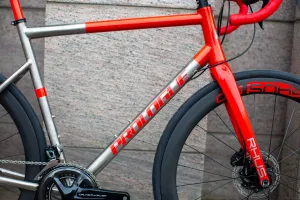
At Euro-Sports, a custom Prologue titanium build can be configured around your geometry, riding priorities, finish, and component preferences. The goal is not to add options for their own sake. It is to create a bike whose position and handling make you want to keep riding when the road surface, weather, or distance gets demanding.


Titanium Grades and Tube Design


Most performance titanium frames use 3AL/2.5V titanium, an alloy containing 3% aluminum and 2.5% vanadium. It is valued for its strength, corrosion resistance, and ability to be formed into butted bicycle tubes. Some builders also use 6AL/4V titanium for specific parts where its higher strength makes sense, although it is harder to work with.


The label on the material matters less than the frame builder's execution. Tube profiles, weld quality, alignment, heat management, and intended rider weight all matter. A good builder tunes the structure as a whole. Bigger tubes can add lateral stiffness for a powerful sprinter; more refined tube sections can improve compliance for a lighter endurance rider. There is no universal titanium feel because there is no universal titanium frame.


Where Titanium Makes More Sense Than Carbon or Steel


Carbon remains the choice for riders focused on the lowest possible weight, maximum aero integration, and race-specific performance. A high-end carbon road bike can be exceptionally efficient, especially when a deep aero frame and integrated cockpit suit the rider's position. If your priority is criterium racing, frequent travel with a modern race bike, or every available watt, carbon deserves serious consideration.


Steel has its own loyal following for good reason. It offers a beautiful ride, can be economical in some builds, and works exceptionally well for all-road and touring applications. Its trade-off is weight and corrosion management, although a well-cared-for steel frame can last for decades.


Titanium is strongest for the rider who wants a long-term performance bike without treating it like a museum piece. It is an excellent choice for the athlete who values comfort but still wants responsive handling, for the rider whose fit warrants custom geometry, and for anyone who sees a bicycle as a platform that can evolve through several wheelsets, groupsets, and generations of components.

All of our staff are active cyclists, xc-skiers, and runners - so we know how important it is to have equipment properly tailored to an athlete's specific needs.


NOTE! No appointments needed for ski wax service - just bring your skis in and we will go from there!


Most repairs are completed within 48 hours of drop-off. Give us a call at 613-422-5616 to confirm turnaround time for your specific service.

Euro-Sports

More Posts

Ski Tuning Performance Starts at the BaseSki Tuning Performance Starts at the Base
Ski Tuning Performance Starts at the Base

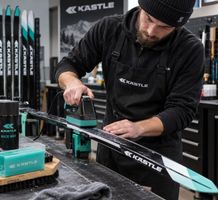
A ski can feel fast in the shop and stubborn on the trail 20 minutes later. That gap is usually not about fitness or an expensive new ski. It is about ski tuning performance: how well the base structure, wax selection, base condition, and ski setup match the snow beneath you.


For Ottawa-area Nordic skiers, conditions can change from dry, abrasive cold to humid transformed snow in a matter of days. A tune that works beautifully at -12 C may feel slow at -2 C, especially after fresh snow has been skied in. The right preparation gives you a ski that releases cleanly, carries speed through flats, and remains predictable when the course gets technical.

Nordic Ski Boot Guide: Find Your Best FitNordic Ski Boot Guide: Find Your Best Fit
Nordic Ski Boot Guide: Find Your Best Fit

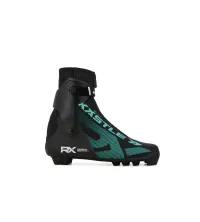
A Nordic ski boot can make a fast ski feel vague, a perfect wax day feel uncomfortable, and a long Gatineau or Kichi Sibi outing end early. It is the point where your body meets the ski, so fit and compatibility matter as much as ski length, camber, or base structure. This Nordic ski boot guide will help you choose a boot that supports the way you actually ski - whether that means steady classic kilometers, skate intervals, loppet racing, or a mix of Ottawa winter terrain.

Classic Versus Skate Skiing for Ottawa SkiersClassic Versus Skate Skiing for Ottawa Skiers
Classic Versus Skate Skiing for Ottawa Skiers

The first few meters usually settle the classic versus skate skiing question. Step into a groomed classic track, settle your weight over one ski, and the movement can feel familiar almost immediately. Push out onto a wide, firm skate lane, however, and the sport becomes more dynamic: balance, edge grip, timing, and a stronger aerobic engine all matter at once.


For Ottawa-area skiers, both techniques make sense. We have reliable Nordic communities, great trail networks, cold spells that reward good wax choices, and variable freeze-thaw conditions that can expose a poor ski setup quickly. The right choice is less about which style is "better" and more about where you ski, what kind of workout you want, and how much time you can give to learning the movement.

Custom Bicycle Geometry Guide for Better FitCustom Bicycle Geometry Guide for Better Fit
Custom Bicycle Geometry Guide for Better Fit

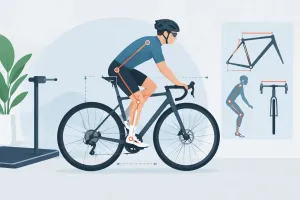
A frame can be beautifully built, fitted with premium wheels and perfectly tuned shifting, yet still feel wrong from the first hard climb. That is where a custom bicycle geometry guide earns its place. Custom geometry is not about making every measurement different for the sake of it. It is about building a bike around the way you move, the terrain you ride, the events you target and the handling you expect when the pace rises.


For Canadian riders, that may mean a fast road position that remains comfortable through a long Gatineau loop, a gravel bike stable enough for washboard roads and loaded overnighters, or a mountain bike that keeps you centered on steep, technical descents. The right numbers create a bike you can ride harder, longer and with more confidence.

How to Clean Disc Brakes Without Contaminating PadsHow to Clean Disc Brakes Without Contaminating Pads
How to Clean Disc Brakes Without Contaminating Pads

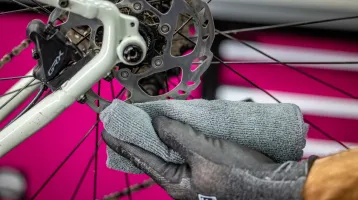
A rotor that squeals through every stop after an Ottawa rain ride is not merely annoying. It is usually telling you that grime, chain lubricant, trail spray or cleaning residue has reached the braking surface. Knowing how to clean disc brakes properly restores consistent lever feel and modulation without creating the bigger problem: contaminated pads.


Disc brakes need very little routine attention, but they are intolerant of the wrong products. Treat the rotor and pads as a clean zone, separate from the drivetrain and frame-cleaning work. A few careful minutes after a wet, gritty ride can prevent noise, preserve pad life and keep your bike ready for the next training block.

Steel Versus Titanium Frames: Which Fits You?Steel Versus Titanium Frames: Which Fits You?
Steel Versus Titanium Frames: Which Fits You?

A cold April road outside Ottawa tells you more about a frame than a showroom lift ever will. Broken pavement, grit on the shoulders, a crosswind and four hours to ride: this is where steel versus titanium frames becomes a real choice, not just a material debate. Both can produce a fast, beautifully finished custom bike that stays relevant for years. The better option depends on the way you ride, the fit you need and what you expect your bike to endure.


For riders considering a custom road, gravel or all-road machine, the question is rarely, “Which material is best?” It is, “Which material will make me want to ride this bike in five years?” Steel and titanium answer that question differently.

Gravel Versus Cyclocross Bikes ComparedGravel Versus Cyclocross Bikes Compared
Gravel Versus Cyclocross Bikes Compared

A fast drop-bar bike with room for wider tires can look like either choice from across the parking lot. That is why the gravel versus cyclocross bikes question causes so much uncertainty for riders shopping for one capable machine. The overlap is real, but the priorities are different: one is built to stay composed for hours over changing surfaces; the other is built to attack a hard, technical race for about an hour.


For Ottawa riders, that distinction matters. A Saturday on the Prescott-Russell Trail, the rail trail toward Carleton Place, or a long backroad route in the Gatineau can involve washboard gravel, pavement, mud, sand, and plenty of distance. A cyclocross course can pack off-cambers, barriers, steep run-ups, grass, ruts, and repeated accelerations into a compact circuit. Pick the bike for the riding you actually do most often, not just the event that sounds exciting in January.

How to Set Tire Pressure for Faster Bike RidesHow to Set Tire Pressure for Faster Bike Rides
How to Set Tire Pressure for Faster Bike Rides

A 28 mm road tire at 95 psi can feel quick on a perfectly smooth road and punishingly slow on Ottawa pavement. The same applies off-road: a gravel tire inflated for hardpack can skip across loose corners, while a mountain bike tire set too soft can fold under load. Learning how to set tire pressure is one of the fastest, least expensive ways to improve comfort, control and rolling speed.


The target is not the highest pressure your tyre allows. It is the lowest pressure that gives dependable support, avoids rim strikes or tire squirm, and suits the surface you are actually riding. That sweet spot changes with rider weight, bike weight, tire volume, casing, terrain and conditions.

Best Cycling Bib Shorts for Comfort and SpeedBest Cycling Bib Shorts for Comfort and Speed
Best Cycling Bib Shorts for Comfort and Speed

The best cycling bib shorts are the pair you stop noticing halfway through a hard ride. That sounds simple, but it is a demanding brief: the fabric must stay put, the straps must disappear, and the chamois must support you without creating heat, pressure, or bulk. For Canadian riders moving between indoor training, rough spring pavement, long gravel days, and fast group rides, shorts are not an accessory. They are contact-point equipment.


A premium pair costs more because the details are harder to get right. Better shorts use shaped multi-panel construction, high-recovery fabric, carefully placed seams, and a chamois designed for a particular riding position. The right pair will make a bigger difference to comfort than chasing another few grams from your bike.