What electrolyte drinks are designed to do
Electrolyte drinks primarily support hydration. Their key job is to replace sodium lost through sweat and encourage the body to retain the fluid you drink. Sodium is the electrolyte that deserves most attention during endurance exercise, although many products also contain potassium, magnesium and calcium in smaller amounts.
For a short ride, easy run or technique-focused ski session, plain water is often enough, especially if you started well hydrated and will eat a meal afterward. An electrolyte drink becomes more useful when sweat losses rise: humid summer riding, indoor trainer sessions, long climbs, hot races, or layered winter training where you sweat more than the thermometer suggests.
Sodium needs vary substantially. Some athletes finish a hard session with white salt marks on their clothing or helmet straps, while others lose far less sodium per liter of sweat. A drink containing roughly 300 to 700 mg of sodium per liter is a common starting point for regular training. Heavy and salty sweaters, or athletes racing for several hours in heat, may need more. The goal is not to chase the highest number on the label. It is to build a hydration plan you can tolerate and repeat.
Most electrolyte drinks are low in calories. That makes them useful when the session is not long enough to require significant carbohydrate, when you are eating energy from gels or real food separately, or when you simply want a lighter-tasting bottle between meals.
What carbohydrate drinks are designed to do
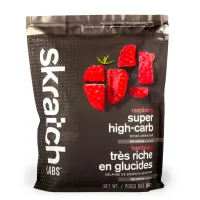
Carbohydrate drinks are fuel. They provide glucose, fructose, maltodextrin or a blend of sugars that your working muscles can use during exercise. They can also help preserve blood glucose when a long session outlasts the energy readily available from your last meal.
For endurance training, carbohydrate is often the performance limiter before hydration is. An athlete can carry a perfectly mixed electrolyte bottle and still fade badly after two hours if there is no meaningful energy coming in. This is particularly common on long gravel rides, marathon training runs, ski races and bike-to-run sessions where the pace is steady enough to make eating feel optional - until it is suddenly not.
A carbohydrate drink is a clean option when chewing food is inconvenient, when cold weather makes bars hard to eat, or when intensity makes solids difficult to digest. In a race, it can simplify your plan: fuel and fluid arrive together with every sip.
The trade-off is concentration. A high-carbohydrate mix requires enough water to empty comfortably from the stomach. If you make it too strong, then ride hard on a warm day without additional water, sloshing, nausea and thirst can follow. More powder is not automatically more fuel delivered.
Electrolyte versus carbohydrate drinks: the key difference
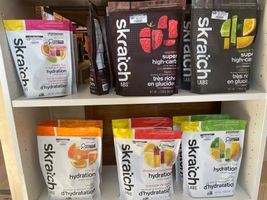
The simplest distinction is that electrolyte drinks manage hydration, while carbohydrate drinks manage energy. Many endurance products intentionally combine both, because long events often demand both. But the label can be misleading if you assume any sports drink is enough for everything.
A lightly flavoured hydration tablet may contain plenty of sodium but only 5 to 20 calories. It will not replace the 40 to 90 grams of carbohydrate per hour that some athletes need during long, demanding events. On the other hand, a bottle loaded with 80 grams of carbohydrate may provide modest sodium and require separate water, particularly if you are sweating heavily.
Think in hourly targets rather than product categories. For training lasting under about 75 minutes, most athletes can rely on normal meals and drink to thirst. Once sessions run longer, carbohydrate becomes increasingly useful. A practical starting range is 30 to 60 grams of carbohydrate per hour for endurance work. Athletes racing hard for several hours can train their gut to handle 60 to 90 grams per hour, and sometimes more when products use multiple carbohydrate sources.
That does not mean every three-hour ride needs race-level intake. An easy endurance day can be fueled differently from a race simulation. Still, deliberately under-fueling demanding sessions too often can compromise recovery, reduce quality and make the final hour less productive than planned.
Match the drink to the session
For a 60-minute run after work, water is usually sufficient. Add electrolytes if it is hot, you are a heavy sweater, or the run follows a long day outdoors. Carbohydrate is rarely necessary unless you began depleted or are stacking sessions.
For a two- to three-hour road or gravel ride, start with a breakfast or meal containing carbohydrate, then plan a dependable intake on the bike. A carbohydrate drink can cover part of the target, with gels, chews or portable food filling the rest. If the day is hot, use one electrolyte bottle and one fuel bottle, or carry water and add sodium separately. This gives you more control than trying to make every bottle do every job.
For Nordic skiing, cold conditions change the logistics rather than eliminating hydration needs. Dry air and heavy clothing can create substantial fluid loss, while bottles can freeze and athletes may not feel thirsty. A warm carbohydrate drink in an insulated bottle can be easier to take than a bar, particularly during a long ski or event. Keep the mixture drinkable and test it before race day.
For indoor riding, do not underestimate sweat loss. With limited airflow, a 90-minute trainer interval session can produce more sweat than a longer outdoor ride. Electrolytes are often valuable here, and carbohydrate is appropriate when the workout is hard enough to drain glycogen or when you need quality through the final interval.