FREE SHIPPING ON ORDERS $100 +

Euro-Sports | 23 minutes ago

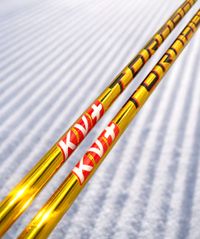
Best Nordic Ski Poles for Canadian Skiers

A pole that is too soft, too long, or fitted with a loose strap turns every kilometre into wasted energy. The best Nordic ski poles are not simply the lightest pair on the wall. They match your technique, height, snow conditions, and how hard you intend to ski - whether that means steady laps at Gatineau Park, a midwinter loppet, or focused skate intervals before work.


For Canadian skiers, durability matters alongside weight. Poles see hard-packed tracks, icy parking lots, cold temperatures, road crossings, and the occasional awkward fall. The right model should feel fast in the hand without becoming a piece of race equipment you are afraid to use.

Start with your skiing discipline


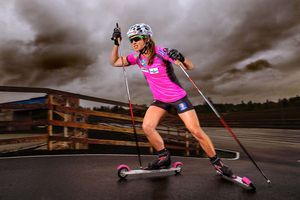
Classic and skate poles serve different jobs. Classic skiing relies on a forward-and-back plant that complements kick and glide. A classic pole should provide a stable, natural push without forcing your shoulders high or your hands behind your body. Skate skiing demands a more powerful, simultaneous double-pole action, so poles are longer and usually benefit more from a stiff, low-swing-weight shaft.


If you mainly ski groomed trails and are deciding between the two, choose for the technique you use most often. A strong recreational skier can absolutely own one quality pair for both styles, but it is a compromise. A classic-length pole feels short for skating, while a skate-length pole can make classic diagonal stride feel awkward and overly shoulder-driven.


Backcountry Nordic touring is a separate category. Touring poles need stronger shafts, larger baskets, and often adjustable lengths for variable snow, hills, and off-track terrain. Do not buy a narrow-basket race pole for deep, ungroomed snow simply because it is light.


Best Nordic ski poles: get length right first


Pole length is the first fit decision and the one that will have the biggest effect on technique. Measure in ski boots on a firm, level floor, not in running shoes on carpet. Manufacturers vary slightly in how they measure a pole and where they position the recommended grip point, so use their sizing chart as the final reference.


For classic skiing, a practical starting point is a pole that reaches the top of your shoulder when standing in boots. Many performance skiers use roughly 83 percent of body height, but body proportions, technique, and personal preference can shift that number. A skier with a compact torso and longer arms may prefer a different length than a chart suggests.


For skate skiing, poles normally reach from the chin to the lips, with many racers landing near 90 percent of body height. The longer length gives you leverage for V2 and double poling. Go too long, however, and the pole plants behind an efficient position, your shoulders rise, and you lose rhythm on climbs and corners.


When in doubt, avoid sizing up. A pole that is a little short is usually easier to control and refine technique with than one that is too long. For developing skiers, good posture and a clean plant will deliver more speed than an aggressive race-length setup.


Cut-to-fit poles need extra care


Some premium composite poles are supplied long and cut to length before grips are installed. This is an excellent way to achieve a precise fit, but it is permanent. Confirm your preferred length before cutting, and factor in the full system rather than shaft length alone. A knowledgeable ski shop can measure you, cut cleanly, and ensure the grip is properly bonded for cold-weather use.


Choose the shaft for your training, not just the catalogue weight


Aluminum poles are dependable, affordable, and well suited to beginners, families, and occasional skiers. They can bend in a hard fall, but they are often more forgiving of everyday use than a brittle ultra-light race shaft. For a skier building fitness and technique, a good aluminum pole is a sensible place to start.


Composite and carbon poles reduce swing weight and increase stiffness. Less mass at the tip makes a noticeable difference over long distances, especially when skating or double poling frequently. Stiffer poles also transmit force more directly through the plant, which is valuable when pace rises and technique is consistent.


The trade-off is impact resistance and cost. High-modulus carbon can be exceptionally light and lively, but it does not enjoy being trapped under a ski, slammed in a car door, or used as a lever when getting up after a fall. Mid-range carbon or carbon-composite poles often offer the best balance for committed recreational skiers: significantly lighter than aluminum, more economical than top-tier race models, and less stressful to own.


For racing, high-end carbon poles make sense when you can benefit from their low swing weight and precise power transfer. They are a performance purchase, not a shortcut. If technique is still developing, spend time on coaching and ski fit before assuming the most expensive shaft will transform your skiing.


A secure strap is part of the pole


The strap is where power moves from your hand into the pole. A simple adjustable loop works well for casual classic skiing and makes it easy to pull your hand free if needed. For performance skiing, a shaped biathlon or clip-in strap gives a more connected feel and lets you relax your grip during recovery.


A properly fitted strap should support the base of the hand without pinching the thumb or restricting circulation. With the strap on, you should be able to open your fingers near the end of the push while still maintaining control. That relaxed release reduces forearm fatigue and helps keep your pole swing clean.


Clip-in systems are especially popular with skiers who train often, but check compatibility before replacing parts. Grips, straps, and release mechanisms are not universal across brands. For cold Ottawa mornings, also test the release with the gloves you actually ski in. A system that feels perfect indoors can become fiddly with bulky mitts or frozen fingers.


Baskets and tips matter in Canadian conditions


On groomed tracks, a compact racing basket is usually the right choice. It penetrates firm snow cleanly, releases quickly, and keeps swing weight low. On soft snow, fresh grooming, or wider multi-use trails, a slightly larger basket offers more support and prevents the pole from punching too deeply through the surface.


The carbide tip should bite consistently on icy or transformed snow. Inspect it during the season, particularly if your regular route includes exposed pavement, bridges, or gravelly trail entrances. A worn tip slips at the plant, which can feel like a sudden technique problem when it is really a maintenance issue.

All of our staff are active cyclists, xc-skiers, and runners - so we know how important it is to have equipment properly tailored to an athlete's specific needs.


NOTE! No appointments needed for ski wax service - just bring your skis in and we will go from there!


Most repairs are completed within 48 hours of drop-off. Give us a call at 613-422-5616 to confirm turnaround time for your specific service.

Euro-Sports

More Posts

Skratch Hydration Review for Canadian Endurance AthletesSkratch Hydration Review for Canadian Endurance Athletes
Skratch Hydration Review for Canadian Endurance Athletes

A bottle that still tastes acceptable three hours into a humid Gatineau gravel ride is worth more than a flashy nutrition label. This Skratch hydration review looks at what the mix does well in real training conditions: long road rides, trail runs, Nordic ski sessions, races and the awkward shoulder-season days when Ottawa weather cannot decide what it is doing.


Skratch is not designed to be the most aggressively dosed product on the shelf. Its core appeal is a drink mix built around drinkability, moderate electrolyte replacement and straightforward carbohydrate intake. For many endurance athletes, that makes it a reliable default rather than a niche race-day tool.

How to Choose Roller Skis for Better TrainingHow to Choose Roller Skis for Better Training
How to Choose Roller Skis for Better Training

A good roller ski session should feel like ski training, not like a fight with nervous equipment. The right roller skis let you build ski-specific balance, strength and timing from spring through late fall, whether you are preparing for a local loppet, a race season, or simply want to arrive at the first snowfall ready to ski.


For Canadian Nordic athletes, selection comes down to more than skate versus classic. Wheel speed, frame material, wheel diameter, binding position and braking confidence all shape how productive and enjoyable your pavement training will be. Buy for the terrain you actually have, the technique you want to improve, and the level of control you need when fatigue sets in.

Cross Country Ski Tuning Frequency ExplainedCross Country Ski Tuning Frequency Explained
Cross Country Ski Tuning Frequency Explained

A fast ski on the wrong wax can feel slow. A neglected base on the right wax can feel just as frustrating. Getting cross country ski tuning frequency right is less about following a rigid calendar and more about reading your ski bases, the snow, and the work you expect them to do. Ottawa-area skiers can see dry midwinter cold, abrasive man-made snow, fresh natural snow, and freeze-thaw conditions in the same month. Your skis need different attention in each.


For most recreational skiers, regular glide waxing and basic base care will keep equipment running well all season. Racers, high-volume trainers, and skiers using premium race bases should tune more deliberately. The goal is not to wax for the sake of waxing. It is to protect the base, preserve glide, and make every session feel closer to the ski your equipment was built to be.

How to Prepare Race Nutrition for Race DayHow to Prepare Race Nutrition for Race Day
How to Prepare Race Nutrition for Race Day

A perfect bike fit, fast skis, or fresh running shoes can only do so much if your fuel plan falls apart at 90 minutes. Knowing how to prepare race nutrition means turning your training-day habits into a simple, repeatable system that delivers carbohydrate, fluid, and sodium when your body can use them.


For Ottawa-area athletes, the variables can be especially sharp. A hot Gran Fondo, a humid summer triathlon, a cold Nordic loppet, and a muddy cyclocross race do not create the same fueling demands. The goal is not to copy the plan of the fastest person in your start corral. It is to arrive with a plan that matches your event duration, intensity, gut tolerance, weather, and access to bottles or aid stations.

Ski Base Care Guide for Faster Nordic SkisSki Base Care Guide for Faster Nordic Skis
Ski Base Care Guide for Faster Nordic Skis

A Nordic ski can have excellent camber, a well-chosen grind, and the right flex for your weight, yet still feel slow if its base is dry, dirty, or damaged. This ski base care guide focuses on the work that protects your glide zones between Ottawa freeze-thaw cycles, abrasive hardpack, road grit near trail access points, and long kilometers of training.


Base care is not about chasing perfection after every outing. It is about recognizing what the ski needs, applying the right level of maintenance, and avoiding the shortcuts that create more work later. A few deliberate habits will keep your skis faster, more predictable, and ready when fresh tracks appear.

Ski Tuning Performance Starts at the BaseSki Tuning Performance Starts at the Base
Ski Tuning Performance Starts at the Base

A ski can feel fast in the shop and stubborn on the trail 20 minutes later. That gap is usually not about fitness or an expensive new ski. It is about ski tuning performance: how well the base structure, wax selection, base condition, and ski setup match the snow beneath you.


For Ottawa-area Nordic skiers, conditions can change from dry, abrasive cold to humid transformed snow in a matter of days. A tune that works beautifully at -12 C may feel slow at -2 C, especially after fresh snow has been skied in. The right preparation gives you a ski that releases cleanly, carries speed through flats, and remains predictable when the course gets technical.

Nordic Ski Boot Guide: Find Your Best FitNordic Ski Boot Guide: Find Your Best Fit
Nordic Ski Boot Guide: Find Your Best Fit

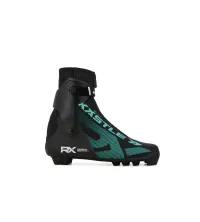
A Nordic ski boot can make a fast ski feel vague, a perfect wax day feel uncomfortable, and a long Gatineau or Kichi Sibi outing end early. It is the point where your body meets the ski, so fit and compatibility matter as much as ski length, camber, or base structure. This Nordic ski boot guide will help you choose a boot that supports the way you actually ski - whether that means steady classic kilometers, skate intervals, loppet racing, or a mix of Ottawa winter terrain.

Is a Titanium Road Bike Worth It for Canadian Riders?Is a Titanium Road Bike Worth It for Canadian Riders?
Is a Titanium Road Bike Worth It for Canadian Riders?

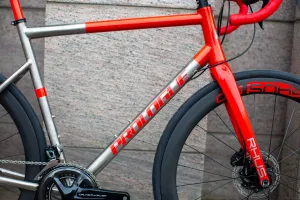
A rough patch of pavement on the Ottawa River Parkway can tell you more about a frame material than a showroom test ride. A titanium road bike has a distinctive way of taking the edge off broken asphalt while still feeling direct when you stand on the pedals. For riders putting in long training blocks, chasing fondos, commuting through shoulder seasons, or building one road bike to keep for decades, that balance is the point.


Titanium is not automatically the fastest choice, the lightest choice, or the least expensive choice. What it offers is a rare combination of fatigue resistance, ride quality, corrosion resistance, and custom-build potential. If those qualities match how and where you ride, it can be one of the most satisfying investments in cycling.

Classic Versus Skate Skiing for Ottawa SkiersClassic Versus Skate Skiing for Ottawa Skiers
Classic Versus Skate Skiing for Ottawa Skiers

The first few meters usually settle the classic versus skate skiing question. Step into a groomed classic track, settle your weight over one ski, and the movement can feel familiar almost immediately. Push out onto a wide, firm skate lane, however, and the sport becomes more dynamic: balance, edge grip, timing, and a stronger aerobic engine all matter at once.


For Ottawa-area skiers, both techniques make sense. We have reliable Nordic communities, great trail networks, cold spells that reward good wax choices, and variable freeze-thaw conditions that can expose a poor ski setup quickly. The right choice is less about which style is "better" and more about where you ski, what kind of workout you want, and how much time you can give to learning the movement.