How Often Should You Tune Cross Country Skis?
A practical baseline is to hot wax glide zones every 50 to 100 kilometers, or every three to five ski outings for a recreational skier. If the snow is especially abrasive, dirty, icy, or heavily man-made, move toward the shorter end of that range. A single long ski on rough snow can dry a base faster than several easy outings on soft, clean natural snow.
For skiers training four or more days per week, waxing once a week is a sensible starting point. Competitive skiers may wax before every key workout and race, particularly when conditions are changing. This does not always mean a full, time-consuming service. Sometimes it means brushing out a previous layer, adding a temperature-appropriate glide wax, and making sure the ski is clean and free of contamination.
Classic skis add another variable: grip. Your kick zone deserves attention whenever the wax is worn, icing, or failing to hold on climbs. Skin skis need a different routine, with regular skin cleaning and treatment rather than kick wax. Their glide zones still need wax just like any other ski.
Let the Base Tell You When It Needs Wax
Kilometers are useful, but the ski base is the better indicator. Fresh wax gives a base a deep, even appearance and helps it repel moisture and dirt. As the wax wears away, the base can look pale, greyish, or chalky, especially near the tips and tails. That is a clear sign the base is drying out.
Pay attention to how the skis feel on snow as well. If they seem to drag on terrain where they normally run freely, first check for snow stuck to the base, dirt, or an unsuitable wax choice. If conditions are appropriate and the ski still feels dull, it is likely time for glide wax.
A white haze is not just cosmetic. Sintered ski bases rely on wax absorbed into their structure to stay protected and perform consistently. Running dry bases repeatedly can make them more vulnerable to oxidation and harder to bring back to their best condition later.
Snow Conditions Change the Tuning Schedule
Ottawa and Eastern Ontario offer a broad mix of snow types, and tuning frequency should follow the surface more than the date on the calendar. Cold, fresh natural snow is generally gentle on ski bases. You may get several good outings from a proper wax application, especially at lower speeds and shorter distances.
Man-made snow is another story. It is often dense, sharp, and abrasive, especially early in the season or on heavily used trails. Expect to wax more often after skiing at venues with a firm manufactured base. Spring snow can also be demanding. Warm, dirty snow pulls contaminants into the base and can make skis feel noticeably slower by the end of a long session.
When temperatures move around freezing, wax selection matters as much as wax frequency. A ski with a fresh cold wax can still feel slow in wet transformed snow. Conversely, an overly soft warm wax may wear away quickly in sharp cold conditions. Checking the forecast and the snow surface before a key ski is worth the few extra minutes.
A Tune-Up Is More Than a Layer of Wax
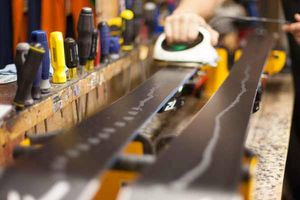
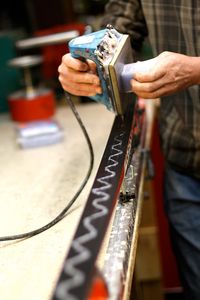
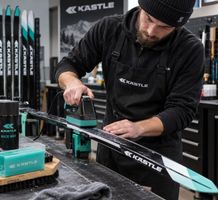
For most Nordic skiers, routine tuning means cleaning, hot waxing, scraping, and brushing the glide zones. This should be the foundation of your maintenance schedule. It keeps the base protected and lets the ski structure do its job managing water under the ski.
More involved work is needed less often. Base repairs, stone grinding, and structure changes should be based on wear and actual performance issues, not performed automatically every month. Minor scratches are common and usually harmless. Deep gouges, damaged edges on backcountry gear, or bases that have become badly oxidized deserve professional attention.
A stone grind can restore a tired base and establish a structure suited to the conditions you ski most. It also removes base material, so it should be a purposeful service rather than a routine habit. For a skier who maintains skis regularly, a professional base assessment every season or two is often enough. A racer with a large training load may benefit from more frequent inspection, especially after a hard season on abrasive snow.
Classic, Skate, and Skin Ski Maintenance
Skate skis are the simplest to schedule because the entire base is a glide zone. Wax them regularly, brush them well, and keep an eye on base dryness. If you race or do fast intervals, tune before those sessions rather than saving your best prep for race day alone.
Classic wax skis need the same glide-zone maintenance, plus a clean and properly prepared kick pocket. Remove old grip wax before it becomes a thick, uneven layer. Reapply grip wax when it loses bite, starts to collect snow, or no longer matches the temperature and snow crystal type. A reliable kick zone saves energy and improves technique far more than trying to force a worn wax through a long ski.
Skin skis require clean skins to grip and glide correctly. Inspect them after every outing for ice, dirt, and debris. Use a skin cleaner when needed, then apply an appropriate skin treatment to reduce icing and improve glide. Avoid getting glide wax on the skins. If the skin pile is worn, damaged, or no longer holding properly despite cleaning, it may be time for replacement or a professional inspection.
A Simple Seasonal Rhythm That Works
At the start of the season, inspect your bases and give the skis a full wax cycle. If they were stored with a protective storage wax, scrape and brush it out before skiing. If they were stored bare, clean them and apply a few hot wax cycles before the first serious outing.
Through the season, use your ski days as the trigger. Recreational skiers can generally wax every three to five outings. Skiers logging long weekly distances should wax weekly, while racers should prepare skis before events and important intensity sessions. After skiing dirty spring trails or a gritty urban loop, clean the bases and re-wax sooner than usual.