FREE SHIPPING ON ORDERS $100 +

Euro-Sports | Oct 7

Steel Versus Titanium Frames: Which Fits You?

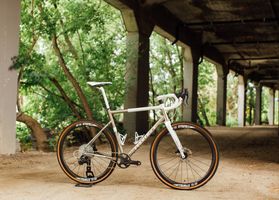
A cold April road outside Ottawa tells you more about a frame than a showroom lift ever will. Broken pavement, grit on the shoulders, a crosswind and four hours to ride: this is where steel versus titanium frames becomes a real choice, not just a material debate. Both can produce a fast, beautifully finished custom bike that stays relevant for years. The better option depends on the way you ride, the fit you need and what you expect your bike to endure.


For riders considering a custom road, gravel or all-road machine, the question is rarely, “Which material is best?” It is, “Which material will make me want to ride this bike in five years?” Steel and titanium answer that question differently.

Steel Versus Titanium Frames: The Real Difference


Steel has history, but it is not a nostalgic compromise. Modern premium steel tubing is engineered for high strength, controlled wall thickness and a ride quality that still earns serious fans among racers, randonneurs and gravel riders. A well-designed steel frame can be lively under power, predictable through rough corners and exceptionally composed over long distances.


Titanium is lighter for its strength, naturally corrosion-resistant and exceptionally durable. Most high-end titanium bicycle frames use 3AL/2.5V titanium tubing, chosen for its balance of strength, formability and fatigue resistance. It is a premium material with a premium fabrication process: precise tube mitering, careful alignment and expert welding matter as much as the tubing itself.


Neither material automatically creates a smooth ride, a stiff sprinting bike or an all-day gravel machine. Tube diameter, wall thickness, butting, frame geometry, wheel and tire choice, fork design, contact points and rider position all have major roles. Material provides the starting character. Frame design determines how that character reaches the road.


Ride Feel: Lively Steel or Quiet Titanium?


Riders often describe steel as having a springy, connected feel. That description is subjective, but it points to something real: a skilled builder can tune steel tubing to give a bike a responsive, fluid sensation without making it harsh. On rolling roads, many riders appreciate how a quality steel frame settles into a rhythm. It can feel energetic when you accelerate, yet composed enough that rough pavement does not beat you up.


Titanium is frequently described as calm, smooth and quiet. It has excellent vibration-damping characteristics, but that does not mean every titanium bike feels soft. Oversized tubing and performance-focused geometry can make a titanium road or gravel frame very efficient under hard efforts. The difference is often in how it handles the small, persistent chatter that builds fatigue over a long ride.


For Canadian mixed-surface riding, this distinction is useful. A steel frame with generous tire clearance and a well-chosen carbon fork can make washboard gravel and rough chipseal feel surprisingly manageable. A titanium frame can offer similar capability with a particularly refined feel over long, variable days. If you are building around 32 mm road tires, 40 to 50 mm gravel tires or wider, tire pressure will affect comfort more dramatically than the frame material alone.


Stiffness Is Not a Material Contest


Steel has a higher elastic modulus than titanium, meaning it resists bending more for the same tube shape. Titanium is much less dense, however, allowing builders to use larger tube diameters without a large weight penalty. That is why a titanium frame can be both light and impressively stiff where it needs to be.


The practical takeaway is simple: do not choose based on blanket claims that titanium is flexy or that steel is heavy and dead. Ask how the frame is designed for your weight, power, terrain and intended tyres. A rider training for fast group rides has different needs from a rider planning multi-day gravel events, even if both want a 700c all-road bike.


Weight: Noticeable, But Not the Whole Story


Titanium usually has the advantage when frame weight is the priority. A comparable titanium frame can often save meaningful weight over steel, especially once you include a long-term build with premium components. It will not turn a loaded gravel bike into a climbing specialist, but it can matter to riders who spend long days gaining elevation or who want a light, durable bike without moving to carbon.


Steel's weight penalty is real, although it is often overstated. On a complete bike, the difference may be less significant than the choices of wheels, tires, drivetrain and cockpit. A lighter wheelset and fast-rolling tires can create a more immediate performance change than a modest frame-weight saving.


For a road rider whose priority is explosive climbing and race-day mass, carbon may still be the strongest benchmark. But for cyclists choosing between steel and titanium, the better question is whether a small weight advantage is worth the additional cost. For some riders, absolutely. For others, the value of custom fit, larger tires and a purposeful component build will matter more.


Durability Through Canadian Seasons


Titanium has a major practical advantage in wet, salty conditions: it does not rust. It can be left with a brushed or bead-blasted finish, takes the occasional travel scuff in stride and requires little cosmetic concern. For year-round riders who see rain, road spray and shoulder-season grit, that low-maintenance finish is part of titanium's appeal.


Steel needs care, not fear. A quality steel frame that is properly prepped, painted and protected can last for decades. Still, paint chips should be addressed, drainage should remain clear and winter storage deserves attention. If you ride salted roads regularly, clean the frame, components and hidden areas around the bottom bracket, dropouts and cable entries. Internal corrosion is preventable, but only if it is not ignored.


Both materials have strong fatigue credentials when the frame is correctly designed and built. Titanium's reputation for longevity is well earned. Steel is also highly durable and has one practical advantage for travelers and adventure riders: repairs are generally more accessible in more places. Titanium repair is possible, but it demands a specialist with the right equipment and welding expertise.


View our selection of Prologue Titanium and Steel framed bikes.

All of our staff are active cyclists, xc-skiers, and runners - so we know how important it is to have equipment properly tailored to an athlete's specific needs.


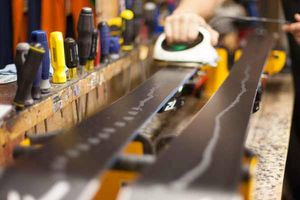
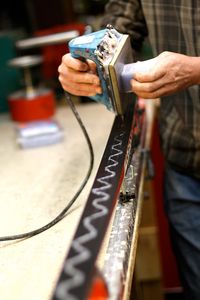
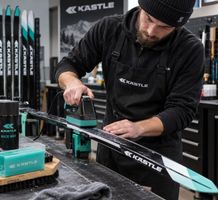
NOTE! No appointments needed for ski wax service - just bring your skis in and we will go from there!


Most repairs are completed within 48 hours of drop-off. Give us a call at 613-422-5616 to confirm turnaround time for your specific service.

Euro-Sports

More Posts

Skin Skis Versus Waxable Skis: Which Fits You?Skin Skis Versus Waxable Skis: Which Fits You?
Skin Skis Versus Waxable Skis: Which Fits You?

A cold Ottawa morning can give you dry, transformed snow in the tracks, a glazed sunny section by the parking lot, and fresh crystals under the trees - all in one ski. That is why the skin skis versus waxable skis decision is less about finding a universally better ski and more about choosing the setup that works for your skiing, your time, and the conditions you actually face.


For many recreational classic skiers, skin skis have removed the most frustrating part of the sport: trying to get reliable kick without sacrificing glide. For racers and committed training-focused skiers, a properly waxed pair still offers a level of speed and tuneability that skins cannot fully match. Both can be excellent equipment. The difference is in the details.


Best Nordic Ski Poles for Canadian SkiersBest Nordic Ski Poles for Canadian Skiers
Best Nordic Ski Poles for Canadian Skiers

A pole that is too soft, too long, or fitted with a loose strap turns every kilometre into wasted energy. The best Nordic ski poles are not simply the lightest pair on the wall. They match your technique, height, snow conditions, and how hard you intend to ski - whether that means steady laps at Gatineau Park, a midwinter loppet, or focused skate intervals before work.


For Canadian skiers, durability matters alongside weight. Poles see hard-packed tracks, icy parking lots, cold temperatures, road crossings, and the occasional awkward fall. The right model should feel fast in the hand without becoming a piece of race equipment you are afraid to use.

Skratch Hydration Review for Canadian Endurance AthletesSkratch Hydration Review for Canadian Endurance Athletes
Skratch Hydration Review for Canadian Endurance Athletes

A bottle that still tastes acceptable three hours into a humid Gatineau gravel ride is worth more than a flashy nutrition label. This Skratch hydration review looks at what the mix does well in real training conditions: long road rides, trail runs, Nordic ski sessions, races and the awkward shoulder-season days when Ottawa weather cannot decide what it is doing.


Skratch is not designed to be the most aggressively dosed product on the shelf. Its core appeal is a drink mix built around drinkability, moderate electrolyte replacement and straightforward carbohydrate intake. For many endurance athletes, that makes it a reliable default rather than a niche race-day tool.

How to Choose Roller Skis for Better TrainingHow to Choose Roller Skis for Better Training
How to Choose Roller Skis for Better Training

A good roller ski session should feel like ski training, not like a fight with nervous equipment. The right roller skis let you build ski-specific balance, strength and timing from spring through late fall, whether you are preparing for a local loppet, a race season, or simply want to arrive at the first snowfall ready to ski.


For Canadian Nordic athletes, selection comes down to more than skate versus classic. Wheel speed, frame material, wheel diameter, binding position and braking confidence all shape how productive and enjoyable your pavement training will be. Buy for the terrain you actually have, the technique you want to improve, and the level of control you need when fatigue sets in.

Cross Country Ski Tuning Frequency ExplainedCross Country Ski Tuning Frequency Explained
Cross Country Ski Tuning Frequency Explained

A fast ski on the wrong wax can feel slow. A neglected base on the right wax can feel just as frustrating. Getting cross country ski tuning frequency right is less about following a rigid calendar and more about reading your ski bases, the snow, and the work you expect them to do. Ottawa-area skiers can see dry midwinter cold, abrasive man-made snow, fresh natural snow, and freeze-thaw conditions in the same month. Your skis need different attention in each.


For most recreational skiers, regular glide waxing and basic base care will keep equipment running well all season. Racers, high-volume trainers, and skiers using premium race bases should tune more deliberately. The goal is not to wax for the sake of waxing. It is to protect the base, preserve glide, and make every session feel closer to the ski your equipment was built to be.

How to Prepare Race Nutrition for Race DayHow to Prepare Race Nutrition for Race Day
How to Prepare Race Nutrition for Race Day

A perfect bike fit, fast skis, or fresh running shoes can only do so much if your fuel plan falls apart at 90 minutes. Knowing how to prepare race nutrition means turning your training-day habits into a simple, repeatable system that delivers carbohydrate, fluid, and sodium when your body can use them.


For Ottawa-area athletes, the variables can be especially sharp. A hot Gran Fondo, a humid summer triathlon, a cold Nordic loppet, and a muddy cyclocross race do not create the same fueling demands. The goal is not to copy the plan of the fastest person in your start corral. It is to arrive with a plan that matches your event duration, intensity, gut tolerance, weather, and access to bottles or aid stations.

Ski Base Care Guide for Faster Nordic SkisSki Base Care Guide for Faster Nordic Skis
Ski Base Care Guide for Faster Nordic Skis

A Nordic ski can have excellent camber, a well-chosen grind, and the right flex for your weight, yet still feel slow if its base is dry, dirty, or damaged. This ski base care guide focuses on the work that protects your glide zones between Ottawa freeze-thaw cycles, abrasive hardpack, road grit near trail access points, and long kilometers of training.


Base care is not about chasing perfection after every outing. It is about recognizing what the ski needs, applying the right level of maintenance, and avoiding the shortcuts that create more work later. A few deliberate habits will keep your skis faster, more predictable, and ready when fresh tracks appear.

Ski Tuning Performance Starts at the BaseSki Tuning Performance Starts at the Base
Ski Tuning Performance Starts at the Base

A ski can feel fast in the shop and stubborn on the trail 20 minutes later. That gap is usually not about fitness or an expensive new ski. It is about ski tuning performance: how well the base structure, wax selection, base condition, and ski setup match the snow beneath you.


For Ottawa-area Nordic skiers, conditions can change from dry, abrasive cold to humid transformed snow in a matter of days. A tune that works beautifully at -12 C may feel slow at -2 C, especially after fresh snow has been skied in. The right preparation gives you a ski that releases cleanly, carries speed through flats, and remains predictable when the course gets technical.

Nordic Ski Boot Guide: Find Your Best FitNordic Ski Boot Guide: Find Your Best Fit
Nordic Ski Boot Guide: Find Your Best Fit

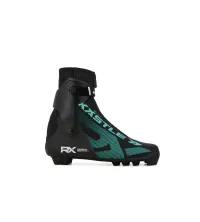
A Nordic ski boot can make a fast ski feel vague, a perfect wax day feel uncomfortable, and a long Gatineau or Kichi Sibi outing end early. It is the point where your body meets the ski, so fit and compatibility matter as much as ski length, camber, or base structure. This Nordic ski boot guide will help you choose a boot that supports the way you actually ski - whether that means steady classic kilometers, skate intervals, loppet racing, or a mix of Ottawa winter terrain.