FREE SHIPPING ON ORDERS $100 +

Euro-Sports | 2 hours ago

Classic Versus Skate Skiing for Ottawa Skiers

The first few meters usually settle the classic versus skate skiing question. Step into a groomed classic track, settle your weight over one ski, and the movement can feel familiar almost immediately. Push out onto a wide, firm skate lane, however, and the sport becomes more dynamic: balance, edge grip, timing, and a stronger aerobic engine all matter at once.


For Ottawa-area skiers, both techniques make sense. We have reliable Nordic communities, great trail networks, cold spells that reward good wax choices, and variable freeze-thaw conditions that can expose a poor ski setup quickly. The right choice is less about which style is "better" and more about where you ski, what kind of workout you want, and how much time you can give to learning the movement.

Classic Versus Skate Skiing: The Core Difference


Classic skiing uses a forward-and-back stride inside parallel tracks. A properly prepared classic ski grips the snow during the kick, then glides forward as your weight transfers to the other ski. The technique includes diagonal stride, double poling, and herringbone climbing, but its basic pattern is intuitive for most first-time Nordic skiers.


Skate skiing happens on the packed, groomed surface beside the tracks. Instead of kicking straight back, you push each ski outward on its inside edge, transferring weight from ski to ski in a V-shaped motion. Think of the rhythm as closer to rollerblading or speed skating, with poles providing significant propulsion.


Neither discipline is simply an easier or harder version of the other. Classic skiing has a gentler entry point, especially on rolling trails and soft snow, but becoming efficient requires precise timing and dependable kick. Skate skiing asks more of your balance from day one, yet it can feel remarkably fast and fluid once the movement clicks.


Choose Classic if You Want Versatility and an Easier Start


Classic is the right call for many recreational skiers, hikers moving into Nordic sport, families sharing the trail, and athletes who want a lower-barrier winter endurance option. It works well on narrow routes with set tracks, relaxed touring loops, and longer outings where the goal is to cover ground without turning every climb into a technical exercise.


Classic also handles less-than-perfect grooming better. A soft track, light new snow, or a trail with tighter turns can still be enjoyable when your skis have secure kick. Around Ottawa and Gatineau, that matters. Fresh snowfall and changing temperatures can produce days when the classic tracks remain pleasant while the skate deck is slower, softer, or rutted.


The trade-off is ski preparation. Traditional waxable classic skis need grip wax or klister selected for snow temperature and crystal type. When conditions are right and the wax is dialed, the result is excellent kick and glide. When the wax is wrong, you may slip on every climb or carry snow under your bases.


Skin skis remove much of that daily decision-making. A short mohair or mixed-fibre skin underfoot provides grip without grip wax, making them an excellent option for skiers who want to get out quickly after work or ski through fluctuating Ontario conditions. They still need cleaning, glide wax, and correct sizing, but they offer dependable practicality.


If you enjoy a quieter, more touring-oriented day on snow, classic has another advantage: it rewards restraint. You can ski gently, take in the forest, and still cover meaningful distance. It can also become extremely demanding. Strong double poling and efficient diagonal stride turn classic racing into a full-body effort, not a casual alternative to skating.


Classic equipment that makes a difference


Fit is everything with classic skis. The ski must compress enough under your body weight to engage its grip zone, but not so easily that the grip drags through the glide phase. Height, weight, technique, and intended use all affect the recommendation.


Boots are typically softer and more flexible than skate boots, allowing the foot to roll naturally through the kick. Classic poles are shorter as well, generally reaching around shoulder height. For skiers progressing beyond entry-level equipment, a precise flex match will deliver more value than simply choosing a lighter or more expensive ski.


Choose Skate if You Want Speed and a Harder Workout


Skate skiing suits runners, cyclists, triathletes, and competitive-minded athletes who want a powerful winter training session. On firm grooming, it provides an intense cardiovascular workout with speed that can surprise people coming from classic. The feeling of carrying momentum across a wide trail is a major part of its appeal.


You do need suitable terrain. A skate lane should be wide, relatively firm, and regularly groomed. The best experience comes on dedicated Nordic networks with enough room to push laterally, pass safely, and maintain rhythm. Narrow tracked trails are not appropriate for skating, both because there is no room and because skating can damage the classic tracks.


The learning curve is real. New skate skiers often try to force the ski outward before they have balanced fully over it. That produces short, frantic steps and tired hip flexors. The better sequence is glide first, then push. Commit your body weight to one ski, stand tall over it, and let the edge bite before transferring to the next side.


Poling technique matters more in skate skiing than many newcomers expect. Skate poles are longer, usually reaching somewhere between the chin and upper lip depending on the skier and technique preference. Efficient pole plants begin from the core and lats, not just the arms. A skier who can glide quietly on one ski and apply power through the poles will improve much faster than someone who simply tries to move their legs faster.


Skate equipment that supports progression


Skate skis are stiffer and use a single, long glide zone. There is no grip zone or skin underfoot because propulsion comes from the ski edge. As with classic skis, stiffness must match the skier. A ski that is too soft can feel unstable and slow; one that is too stiff may never engage properly with the snow.


Skate boots are taller and more supportive around the ankle, helping transfer lateral force to the ski. A rigid sole, secure heel hold, and compatible binding system make a noticeable difference in control. Boots should feel precise without creating pressure points, because a small fit issue becomes obvious during repeated lateral pushes.


For either discipline, glide preparation is not optional if you want predictable performance. Clean bases, appropriate glide wax, and a good brush structure improve speed and control. SkiSelector technology can help match base preparation.


All of our staff are active cyclists, xc-skiers, and runners - so we know how important it is to have equipment properly tailored to an athlete's specific needs.


NOTE! No appointments needed for ski wax service - just bring your skis in and we will go from there!


Most repairs are completed within 48 hours of drop-off. Give us a call at 613-422-5616 to confirm turnaround time for your specific service.

Euro-Sports

More Posts

Custom Bicycle Geometry Guide for Better FitCustom Bicycle Geometry Guide for Better Fit
Custom Bicycle Geometry Guide for Better Fit

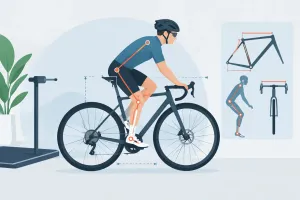
A frame can be beautifully built, fitted with premium wheels and perfectly tuned shifting, yet still feel wrong from the first hard climb. That is where a custom bicycle geometry guide earns its place. Custom geometry is not about making every measurement different for the sake of it. It is about building a bike around the way you move, the terrain you ride, the events you target and the handling you expect when the pace rises.


For Canadian riders, that may mean a fast road position that remains comfortable through a long Gatineau loop, a gravel bike stable enough for washboard roads and loaded overnighters, or a mountain bike that keeps you centered on steep, technical descents. The right numbers create a bike you can ride harder, longer and with more confidence.

How to Clean Disc Brakes Without Contaminating PadsHow to Clean Disc Brakes Without Contaminating Pads
How to Clean Disc Brakes Without Contaminating Pads

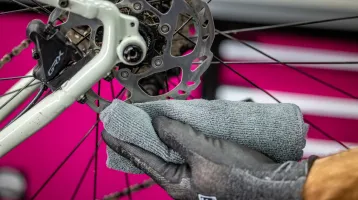
A rotor that squeals through every stop after an Ottawa rain ride is not merely annoying. It is usually telling you that grime, chain lubricant, trail spray or cleaning residue has reached the braking surface. Knowing how to clean disc brakes properly restores consistent lever feel and modulation without creating the bigger problem: contaminated pads.


Disc brakes need very little routine attention, but they are intolerant of the wrong products. Treat the rotor and pads as a clean zone, separate from the drivetrain and frame-cleaning work. A few careful minutes after a wet, gritty ride can prevent noise, preserve pad life and keep your bike ready for the next training block.

Steel Versus Titanium Frames: Which Fits You?Steel Versus Titanium Frames: Which Fits You?
Steel Versus Titanium Frames: Which Fits You?

A cold April road outside Ottawa tells you more about a frame than a showroom lift ever will. Broken pavement, grit on the shoulders, a crosswind and four hours to ride: this is where steel versus titanium frames becomes a real choice, not just a material debate. Both can produce a fast, beautifully finished custom bike that stays relevant for years. The better option depends on the way you ride, the fit you need and what you expect your bike to endure.


For riders considering a custom road, gravel or all-road machine, the question is rarely, “Which material is best?” It is, “Which material will make me want to ride this bike in five years?” Steel and titanium answer that question differently.

Gravel Versus Cyclocross Bikes ComparedGravel Versus Cyclocross Bikes Compared
Gravel Versus Cyclocross Bikes Compared

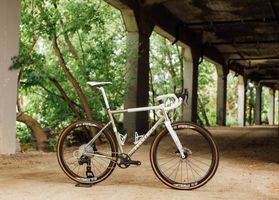
A fast drop-bar bike with room for wider tires can look like either choice from across the parking lot. That is why the gravel versus cyclocross bikes question causes so much uncertainty for riders shopping for one capable machine. The overlap is real, but the priorities are different: one is built to stay composed for hours over changing surfaces; the other is built to attack a hard, technical race for about an hour.


For Ottawa riders, that distinction matters. A Saturday on the Prescott-Russell Trail, the rail trail toward Carleton Place, or a long backroad route in the Gatineau can involve washboard gravel, pavement, mud, sand, and plenty of distance. A cyclocross course can pack off-cambers, barriers, steep run-ups, grass, ruts, and repeated accelerations into a compact circuit. Pick the bike for the riding you actually do most often, not just the event that sounds exciting in January.

How to Set Tire Pressure for Faster Bike RidesHow to Set Tire Pressure for Faster Bike Rides
How to Set Tire Pressure for Faster Bike Rides

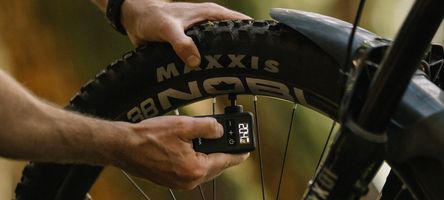
A 28 mm road tire at 95 psi can feel quick on a perfectly smooth road and punishingly slow on Ottawa pavement. The same applies off-road: a gravel tire inflated for hardpack can skip across loose corners, while a mountain bike tire set too soft can fold under load. Learning how to set tire pressure is one of the fastest, least expensive ways to improve comfort, control and rolling speed.


The target is not the highest pressure your tyre allows. It is the lowest pressure that gives dependable support, avoids rim strikes or tire squirm, and suits the surface you are actually riding. That sweet spot changes with rider weight, bike weight, tire volume, casing, terrain and conditions.

Best Cycling Bib Shorts for Comfort and SpeedBest Cycling Bib Shorts for Comfort and Speed
Best Cycling Bib Shorts for Comfort and Speed

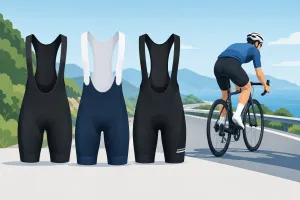
The best cycling bib shorts are the pair you stop noticing halfway through a hard ride. That sounds simple, but it is a demanding brief: the fabric must stay put, the straps must disappear, and the chamois must support you without creating heat, pressure, or bulk. For Canadian riders moving between indoor training, rough spring pavement, long gravel days, and fast group rides, shorts are not an accessory. They are contact-point equipment.


A premium pair costs more because the details are harder to get right. Better shorts use shaped multi-panel construction, high-recovery fabric, carefully placed seams, and a chamois designed for a particular riding position. The right pair will make a bigger difference to comfort than chasing another few grams from your bike.

Tubeless Versus Clincher Tires for Your RideTubeless Versus Clincher Tires for Your Ride
Tubeless Versus Clincher Tires for Your Ride

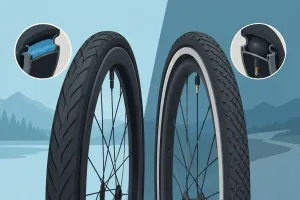
A pothole on an Ottawa spring road, loose limestone on the Prescott-Russell Trail, or a rooty Gatineau singletrack can make tire choice feel very real, very quickly. The tubeless versus clincher tires decision is not about following a trend. It is about choosing the system that gives you the right balance of speed, comfort, reliability, and serviceability for the rides you actually do.


For many performance riders, tubeless is now the default for gravel and mountain biking, and increasingly compelling on the road. Traditional clinchers with inner tubes still earn their place, especially for riders who value simplicity, travel frequently, or want the fastest possible roadside repair. The better option depends on your tire width, rim compatibility, typical terrain, and tolerance for setup work.

Best Hydration Mixes Cyclists Choose for Long RidesBest Hydration Mixes Cyclists Choose for Long Rides
Best Hydration Mixes Cyclists Choose for Long Rides

A bottle that still feels full after an hour is often telling you something: the mix is too sweet, too strong, or simply wrong for the effort. The best hydration mixes cyclists choose are not necessarily the ones with the biggest marketing claims. They are the ones you can drink consistently, digest comfortably, and use to keep power steady when the ride gets long.


For Ottawa road loops, humid summer training, dusty gravel events, and indoor sessions where sweat loss is easy to underestimate, hydration should be planned as carefully as tire pressure or pacing. A good mix gives you fluid, sodium, and, when required, carbohydrate in a concentration your body can actually absorb while riding.

How to Size Cycling Shoes for a Better RideHow to Size Cycling Shoes for a Better Ride
How to Size Cycling Shoes for a Better Ride

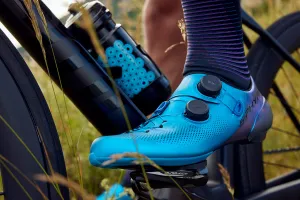
A cycling shoe that feels fine while standing in a shop can become a problem 40 kilometres into a hard ride. Hot spots, numb toes and heel lift waste energy and distract from the work in front of you. Knowing how to size cycling shoes is less about finding a number on a box and more about matching your foot shape, riding discipline and closure system to the demands of your ride.


For road training, gravel events, mountain bike laps or a winter block on the trainer, the goal is the same: secure foot retention without pressure. A properly fitted cycling shoe turns your foot into a stable platform over the pedal, helping you apply power cleanly while keeping comfort intact for hours.