FREE SHIPPING ON ORDERS $100 +

Euro-Sports | 2 days ago

Best Road Bike Tire Width for Real-World Speed

A 23 mm tire at 120 psi once looked like the fast choice on a road bike. On Ottawa pavement, country roads and the rougher sections of a long group ride, it often feels more like a compromise. The best road bike tire width is now usually wider than many riders expect, because lower rolling resistance, better control and less fatigue matter more than an old-school narrow profile.


For most performance road riders, 28 mm is the current starting point. It is not automatically the right answer for every bike, wheelset, event or rider, but it is the size against which other options should be measured. The right tire width has to work with your rim, frame clearance, riding surface, body weight and the pressure you can run safely.

Why wider road tires can be faster


On perfectly smooth indoor boards, a very narrow tire can still make sense. Real roads are not smooth. When a tire is too narrow or overinflated, it bounces over surface texture instead of conforming to it. That vibration costs energy, reduces grip and transfers more impact through your hands, saddle and feet.


A wider tire can run at a lower pressure while maintaining enough support. Its larger air volume allows the casing to follow broken pavement, expansion cracks and gravel-strewn shoulders with less bouncing. That is why a quality 28 mm tire at the correct pressure can roll faster than a 25 mm tire pumped hard, especially over the surfaces most Canadian road riders actually encounter.


Comfort is not separate from performance. If your hands are numb halfway through a four-hour ride, you are less likely to hold an aerodynamic position, brake confidently in corners or put down power late in the ride. Reducing road buzz helps preserve both control and freshness.


The best road bike tire width by riding goal


25 mm: still relevant for specific race setups

A 25 mm tire remains a sensible choice for riders using older frames or narrow rims with limited clearance. It can also suit smooth criterium courses, short time trials and light riders who do not need high pressures to prevent bottoming out.


The limitation is versatility. On typical Ottawa-area roads, 25 mm demands more careful pressure selection and offers less margin when pavement deteriorates or a route includes rough shoulders. If your bike comfortably accepts 28 mm, the small aerodynamic benefit you imagine from 25 mm may not appear outside a controlled test environment.


28 mm: the performance all-rounder

For many riders, 28 mm is the sweet spot. It is fast enough for road racing, practical for fast group rides and comfortable enough for long endurance kilometres. Modern carbon road frames, disc-brake bikes and contemporary wheelsets are commonly designed around this width.


A 28 mm tire works particularly well with an internal rim width around 19 to 23 mm. The exact measured width may be 29 or 30 mm once mounted, so check both frame clearance and the tire manufacturer’s rim-compatibility chart. A tire’s label is a starting point, not a guarantee of its final size.


For a rider who wants one road wheelset for Tuesday-night intensity, weekend fondos and regular training, 28 mm is difficult to beat.


30 mm: fast endurance confidence

Thirty-millimetre tires make a strong case for riders who prioritize long days, imperfect roads and dependable handling. They offer more air volume than 28 mm tires, allowing lower pressures and a noticeable improvement in comfort on patched pavement.


They are also an excellent option for heavier riders, provided the wheel and tire combination is approved for the required pressure. The extra volume gives more room to find a pressure that is supportive without turning every pothole edge into a sharp impact.


The trade-off is clearance and aerodynamics. A 30 mm tire needs a frame and fork designed around it, with enough space for debris, flex and safe operation. It also needs a rim whose external width does not create an unnecessarily abrupt tire-to-rim transition. On an endurance road bike with modern wheels, however, 30 mm can be a very quick real-world setup.


32 mm: the rough-road road-bike option

If your route regularly includes poor pavement, hard-packed rail trails, cottage-country roads or light gravel connectors, 32 mm can be the best choice. It is not a gravel replacement for deep loose surfaces, but it adds significant comfort, traction and puncture protection potential to a road platform.


For long-distance events and mixed-surface training, 32 mm lets you stop planning every route around pavement quality. Many newer all-road and endurance frames accommodate it easily. A race-focused frame may not, so never force a wider tire into tight clearance.


Rim width changes the answer


Tire and rim must be considered as a system. Mount the same 28 mm tire on a narrow 17 mm internal rim and a modern 23 mm internal rim, and it can measure differently, handle differently and require different pressure.


A wider internal rim supports the tire sidewalls more effectively and often broadens its profile. This can improve cornering stability, but it can also make the mounted tire wider than the number printed on its sidewall. Measure clearance after installation, ideally with the wheel loaded and after a few rides, because some tires grow slightly once seated and used.


For aerodynamic road wheels, the outer rim width matters too. As a general principle, a tire that is much wider than the rim can disrupt airflow at the rim-tire junction. That does not mean choosing the narrowest possible tire. It means selecting a tire width that complements the wheel while still delivering the pressure range and comfort your roads demand.


Pressure matters as much as tire width

Choosing a wider tire and then inflating it like a narrow racing tire gives away much of the benefit. Pressure should be based on system weight, front-to-rear weight distribution, measured tire size, casing construction, rim type and surface conditions.


Most riders run slightly less pressure in the front tire than the rear because the rear wheel carries more load. Tubeless setups can generally be run at lower pressures than tubes, but they still require enough pressure to prevent tire burps, rim strikes and unstable handling. Hookless rims have strict tire and maximum-pressure requirements, so follow the wheel and tire manufacturers’ approved combinations exactly.


Start with a reputable pressure calculator, then adjust in small increments. If the bike chatters over rough pavement and skips in corners, pressure may be too high. If the tire feels vague, bottoms out on square-edged hits or shows rim-strike marks, add a little air. A digital gauge and a short test loop tell you more than copying a friend’s number.

All of our staff are active cyclists, xc-skiers, and runners - so we know how important it is to have equipment properly tailored to an athlete's specific needs.


NOTE! No appointments needed for ski wax service - just bring your skis in and we will go from there!


Most repairs are completed within 48 hours of drop-off. Give us a call at 613-422-5616 to confirm turnaround time for your specific service.

Euro-Sports

More Posts

<p>Road Running Shoes for Racing That Fit Your Goal</p><p>Road Running Shoes for Racing That Fit Your Goal</p>

Road Running Shoes for Racing That Fit Your Goal

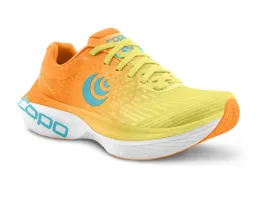
A race shoe earns its place long before the starting gun. It has to feel secure through the final turn, stay predictable when your form gets tired, and give you enough protection to train consistently on Ottawa pavement. The best road running shoes for racing are not automatically the lightest or most aggressively plated pair. They are the pair that lets you run your planned pace with confidence from kilometer one to the finish.


For a 5K specialist, that may mean a low, sharp shoe with a direct feel. For a first marathon or a spring half in changeable Canadian weather, it may mean more foam, a stable platform, and an upper that will not create trouble after 90 minutes. Race-day footwear should be selected for the athlete, the course, and the distance - not just the marketing label.

Skate Roller Skis for Beginners Start RightSkate Roller Skis for Beginners Start Right
Skate Roller Skis for Beginners Start Right

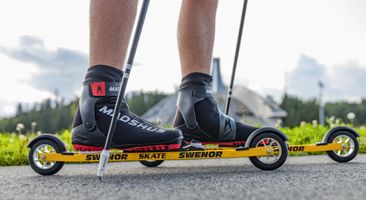
A smooth stretch of pavement can turn summer training into the closest thing to skating on snow - but skate roller skis for beginners demand more respect than most first-time skiers expect. They roll quickly, do not stop on command, and punish rushed technique. Start with stable equipment, a quiet low-traffic route, and a few focused skills, and roller skiing becomes one of the best ways to build fitness and ski-specific confidence before winter.

<p>Cycling Helmets Canada Riders Choose for Performance</p><p>Cycling Helmets Canada Riders Choose for Performance</p>

Cycling Helmets Canada Riders Choose for Performance

A helmet that feels fine for ten minutes in a shop can become a pressure point halfway through a three-hour Gatineau gravel ride. That is why choosing cycling helmets Canada riders can depend on is not simply about finding the lowest weight or the most aggressive shape. It is about matching protection, fit, ventilation and riding discipline to the conditions you actually face.


A road rider training before work in Ottawa, a mountain biker spending a wet afternoon at the trailhead, and a cyclocross racer lining up in October do not need exactly the same helmet. The right choice should disappear once you are riding, while still providing the coverage, retention and impact protection appropriate to your sport.


A Cross Country Mountain Bike Build That FitsA Cross Country Mountain Bike Build That Fits
A Cross Country Mountain Bike Build That Fits

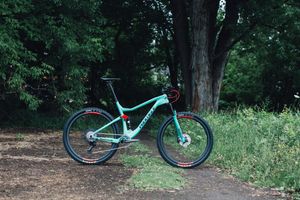
A fast bike that feels nervous on wet roots is not a race bike for most Canadian riders. Neither is a 14 kg trail bike with a lockout lever. A thoughtful cross country mountain bike build starts with the riding you actually do: long training loops, technical singletrack, local marathon events, or short-course racing where every acceleration matters.


The goal is not simply the lightest number on the scale. It is a bike that carries speed, tracks accurately when tired, climbs without wasted movement, and can be maintained through a full season of mud, dust, travel, and race weekends. Frame choice matters, but so do the decisions made around suspension travel, wheels, tires, cockpit position, and gearing.

Time Trial Bike Configuration That Holds SpeedTime Trial Bike Configuration That Holds Speed
Time Trial Bike Configuration That Holds Speed

A fast time trial bike can still be slow if you cannot stay in position for the full effort. The best time trial bike configuration is not a catalogue of the most aerodynamic parts. It is a system built around your body, power output, course profile and ability to produce speed while remaining composed.


For a 20-minute club TT, a 70.3 bike leg or a full-distance triathlon, the priority stays the same: reduce drag without compromising the power, breathing and handling that let you use that lower-drag position. Start there, then make equipment choices that suit the roads and conditions you actually race.

Nordic Skis Ottawa for Faster Winter TrainingNordic Skis Ottawa for Faster Winter Training
Nordic Skis Ottawa for Faster Winter Training

Ottawa rewards skiers who choose their equipment carefully. With long cold stretches, fast machine-groomed tracks, icy mornings, fresh snow days, and spring thaw cycles, Nordic skis Ottawa athletes use need to work across far more than one snow condition. The right setup makes every kilometre quieter, quicker, and less frustrating. The wrong one can leave you fighting for grip, stability, or glide when the trail should be the easy part.


Trail Shoe Grip for Mud: What Really WorksTrail Shoe Grip for Mud: What Really Works
Trail Shoe Grip for Mud: What Really Works

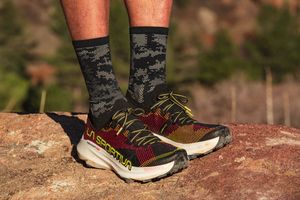
The first warm days in Ottawa often produce the messiest trail running: thawing ground, slick roots, greasy rock and clay that packs underfoot. Good trail shoe grip for mud is not just about avoiding a fall. It lets you keep a relaxed stride on technical singletrack, brake later on descents and spend less energy second-guessing every step.


The right shoe depends on where and how you run. A runner covering packed Gatineau paths after light rain needs something different from an athlete racing a muddy cross-country course or moving through deep, saturated forest trails. Lug depth matters, but lug shape, rubber compound, fit and your own foot placement all determine whether a shoe works when the ground turns soft.

What Makes the Best Cyclocross Bike for RacingWhat Makes the Best Cyclocross Bike for Racing
What Makes the Best Cyclocross Bike for Racing

A fast cyclocross bike is not simply a gravel bike with narrower tires. It is a machine built for hard accelerations, awkward dismounts, off-camber ruts, frozen grass, deep mud and the repeated effort of getting back to speed. The best cyclocross bike for racing is the one that fits your body, clears the tires your local course demands, and feels predictable when the race becomes messy.


For Ottawa-area racers, that can mean anything from dry, fast parkland to rain-softened grass, sandy features and late-season frozen ground. A bike that looks impressive on a showroom floor matters less than one that lets you brake late, shoulder it cleanly and put down power without second-guessing the front wheel.

How to Choose Skin Skis for Ottawa WintersHow to Choose Skin Skis for Ottawa Winters
How to Choose Skin Skis for Ottawa Winters

A classic Ottawa/Gatineau ski morning can move from hard-packed, fast tracks at -18 C to fresh snow and rising temperatures by lunch. That is exactly why learning how to choose skin skis is less about buying the longest or lightest pair on the wall and more about matching flex, camber and grip zone to the way you ski. Get it right and you gain the quiet confidence to stride uphill, glide efficiently and head out without a kick-wax decision every time.


Skin skis use a short strip of directional fibre, usually mohair, nylon or a blend, beneath the foot. The fibres grip when you drive the ski into the snow and release as the ski glides forward. They have made classic skiing more accessible, but they are not a one-size-fits-all answer. A properly selected skin ski can feel remarkably quick. A poorly matched pair can drag, slip or feel frustratingly dead.