FREE SHIPPING ON ORDERS $100 +

Euro-Sports | yesterday

Best Hydration Mixes Cyclists Choose for Long Rides

A bottle that still feels full after an hour is often telling you something: the mix is too sweet, too strong, or simply wrong for the effort. The best hydration mixes cyclists choose are not necessarily the ones with the biggest marketing claims. They are the ones you can drink consistently, digest comfortably, and use to keep power steady when the ride gets long.


For Ottawa road loops, humid summer training, dusty gravel events, and indoor sessions where sweat loss is easy to underestimate, hydration should be planned as carefully as tire pressure or pacing. A good mix gives you fluid, sodium, and, when required, carbohydrate in a concentration your body can actually absorb while riding.

What a hydration mix needs to do


A hydration mix has one job on a short easy ride and a more demanding job on a five-hour gravel day. That distinction matters. If your bottle strategy does not match the duration, intensity, temperature, and available refill points, even an excellent product can feel like the wrong choice.


At its simplest, a mix replaces sodium lost in sweat and makes water more appealing to drink. Sodium is the central electrolyte for cyclists. It supports fluid retention and helps maintain the urge to drink, while losses through sweat can be substantial in hot, humid conditions or for naturally salty sweaters. Potassium, magnesium, and calcium have roles in normal body function, but they do not turn a low-sodium drink into an effective endurance hydration plan.


Carbohydrate changes the picture. A drink with 20 to 40 grams of carbohydrate per bottle can be useful for a harder two- to three-hour ride, particularly if you prefer to eat less solid food. For racing and all-day endurance events, a higher-carbohydrate mix can become a major part of your fueling system. It is not just hydration at that point. It is fuel delivered through a bottle.


The trade-off is concentration. A drink that is too carbohydrate-dense for the conditions can empty from the stomach slowly and leave you bloated, thirsty, or reaching for plain water. This is why a mix that works brilliantly at a cool spring criterium may be unpleasant during a humid July fondo.


Best hydration mixes for cyclists: choose by ride type


Rather than chasing a single winner, match the mix to the work. Our team rides enough Ottawa roads and gravel to know that the bottle plan needs to change with the day.


Easy rides and recovery spins

For rides under 90 minutes at an easy pace, water is often enough, especially in cool weather. If you start the day dehydrated, sweat heavily, or simply struggle to drink plain water, a low-calorie electrolyte mix is a practical choice. Look for moderate sodium and a light flavour rather than a high-sugar formula.


This category also suits commuters, recovery spins, and indoor trainer sessions where you want electrolytes without taking in unnecessary calories. A lightly flavoured option tends to be easier to finish than something aggressively sweet.


Long endurance and gravel rides

For two to five hours, most cyclists do well with a mix that provides both sodium and carbohydrates, backed up by gels, chews, bars, or real food. A useful starting point is roughly 400 to 800 mg of sodium per litre, with carbohydrate adjusted to your total fueling target.


If you are aiming for 60 grams of carbohydrate per hour, you do not need all of it in the bottle. In fact, many riders are more comfortable splitting it between drink mix and portable food. For example, a bottle can provide 25 to 35 grams of carbohydrate while a gel or chew fills the remaining gap. This keeps the drink palatable and gives you more flexibility when a ride runs longer than planned.


Gravel riders should think beyond the nutrition label. Can you refill reliably? Will the powder fit into small portions for a checkpoint? Does the flavour still taste good when the bottle is dusty and warm? Convenience is performance when you are tired.


Racing, hard group rides, and triathlon

High-intensity riding makes drinking difficult. You may have fewer safe opportunities to reach for the bottle, and your gut has less tolerance for a sudden change in nutrition. For these efforts, a carbohydrate-electrolyte mix that you have trained with is usually the right call.


Many experienced riders target 60 to 90 grams of carbohydrate per hour for prolonged racing, and some can absorb more with a well-practiced glucose-fructose approach. The exact number is individual. Your body size, event duration, heat tolerance, and gut training all matter. Start below your goal in training, then build gradually rather than testing a high-carbohydrate formula at your priority event.


For triathlon, bottle concentration deserves extra attention. A concentrated fuel bottle can work well if you also have a clear-water plan. Without that water, the same bottle can become too strong to tolerate. Mark bottles, calculate the order, and practice the system under race-like conditions.


Hot days and salty sweaters


On a humid 30 C day, fluid and sodium requirements can rise sharply. Riders with salt crust on their kit, stinging eyes, or consistently heavy sweat losses may benefit from a higher-sodium mix, often 800 to 1,000 mg per litre or more. This is not a universal prescription. More sodium is not automatically better, and it cannot compensate for failing to drink enough fluid.


Weighing yourself before and after a familiar ride can provide useful information. A large body-mass drop suggests that you are not replacing enough fluid, while weight gain during exercise can signal overdrinking. Do this occasionally under similar conditions, not obsessively after every session. Athletes with medical conditions affecting fluid or sodium balance should seek individual advice from a qualified clinician.


All of our staff are active cyclists, xc-skiers, and runners - so we know how important it is to have equipment properly tailored to an athlete's specific needs.


NOTE! No appointments needed for ski wax service - just bring your skis in and we will go from there!


Most repairs are completed within 48 hours of drop-off. Give us a call at 613-422-5616 to confirm turnaround time for your specific service.

Euro-Sports

More Posts

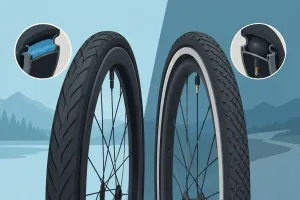
Tubeless Versus Clincher Tires for Your RideTubeless Versus Clincher Tires for Your Ride
Tubeless Versus Clincher Tires for Your Ride

A pothole on an Ottawa spring road, loose limestone on the Prescott-Russell Trail, or a rooty Gatineau singletrack can make tire choice feel very real, very quickly. The tubeless versus clincher tires decision is not about following a trend. It is about choosing the system that gives you the right balance of speed, comfort, reliability, and serviceability for the rides you actually do.


For many performance riders, tubeless is now the default for gravel and mountain biking, and increasingly compelling on the road. Traditional clinchers with inner tubes still earn their place, especially for riders who value simplicity, travel frequently, or want the fastest possible roadside repair. The better option depends on your tire width, rim compatibility, typical terrain, and tolerance for setup work.

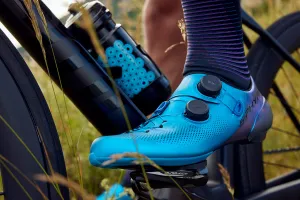
How to Size Cycling Shoes for a Better RideHow to Size Cycling Shoes for a Better Ride
How to Size Cycling Shoes for a Better Ride

A cycling shoe that feels fine while standing in a shop can become a problem 40 kilometres into a hard ride. Hot spots, numb toes and heel lift waste energy and distract from the work in front of you. Knowing how to size cycling shoes is less about finding a number on a box and more about matching your foot shape, riding discipline and closure system to the demands of your ride.


For road training, gravel events, mountain bike laps or a winter block on the trainer, the goal is the same: secure foot retention without pressure. A properly fitted cycling shoe turns your foot into a stable platform over the pedal, helping you apply power cleanly while keeping comfort intact for hours.

Ski Waxing for Faster Nordic Ski Days in OttawaSki Waxing for Faster Nordic Ski Days in Ottawa
Ski Waxing for Faster Nordic Ski Days in Ottawa

A bluebird morning at Gatineau Park can start at -15 C, warm quickly in the sun, and leave the trail feeling completely different by noon. That is why ski waxing is not just a race-day ritual. It is the small piece of preparation that determines whether your skis feel free and fast, or slow enough to turn a great training session into a grind.


For Canadian Nordic skiers, waxing is about matching your ski base to the snow in front of you. Get it right and your skis carry speed, track cleanly, and preserve energy over long kilometres. Get it wrong and even excellent skis can feel like they are dragging a snowplow.

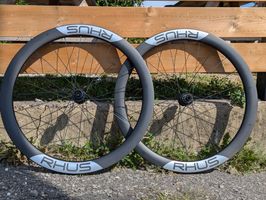
<p>Carbon Wheel Durability for Canadian Riding</p><p>Carbon Wheel Durability for Canadian Riding</p>

Carbon Wheel Durability for Canadian Riding

A sharp-edged pothole after a thaw, a square hit on a rocky descent, or a long wet brake down a Gatineau grade will test carbon wheel durability far more honestly than a product weight claim. Modern carbon wheels are exceptionally strong for their mass, but they are engineered systems, not indestructible race props. The right wheel, tire pressure, build quality and maintenance routine make the difference between years of fast riding and an expensive interruption to your season.


For road, gravel, mountain and cyclocross riders, carbon rims can be a dependable long-term upgrade. They hold their shape well, resist corrosion, and allow designers to tune stiffness, aerodynamics and impact resistance with remarkable precision. The trade-off is that damage is not always obvious, and a carbon rim requires a more disciplined inspection after a meaningful hit.

How to Fuel Long Rides Without Hitting the WallHow to Fuel Long Rides Without Hitting the Wall
How to Fuel Long Rides Without Hitting the Wall

A strong long ride can unravel surprisingly fast. You may feel excellent for the first two hours, then suddenly find every rise harder than it should be, your focus fading and your legs empty. That is rarely a fitness problem alone. Knowing how to fuel long rides means giving your body carbohydrate, fluid, sodium, and enough practice to use them when the pace lifts.


For Ottawa road loops, long gravel days in Lanark County, race simulations, or an all-day ride with friends, the goal is not to see how little you can consume. The goal is steady energy, clear decision-making, and enough left in the legs to enjoy the final hour rather than merely survive it.

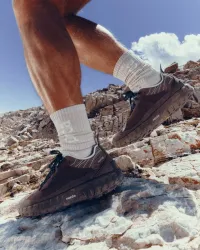
Trail Running Shoes That Match Your TerrainTrail Running Shoes That Match Your Terrain
Trail Running Shoes That Match Your Terrain

A muddy Gatineau descent, a root-laced loop at Camp Fortune, or a fast gravel connector on the Greenbelt all ask different things of your footwear. The right trail running shoes let you run with commitment rather than picking your way through every wet rock and loose corner. The wrong pair can leave your feet sliding in the shoe, your calves working overtime, and your confidence disappearing before the climb is over.


For Canadian runners, choosing a trail shoe is less about finding the most aggressive-looking outsole and more about matching grip, protection, fit, and cushioning to the routes you actually run. Our team rides, skis, and runs locally, and we know that one shoe rarely excels everywhere.

<p>Road Running Shoes for Racing That Fit Your Goal</p><p>Road Running Shoes for Racing That Fit Your Goal</p>

Road Running Shoes for Racing That Fit Your Goal

A race shoe earns its place long before the starting gun. It has to feel secure through the final turn, stay predictable when your form gets tired, and give you enough protection to train consistently on Ottawa pavement. The best road running shoes for racing are not automatically the lightest or most aggressively plated pair. They are the pair that lets you run your planned pace with confidence from kilometer one to the finish.


For a 5K specialist, that may mean a low, sharp shoe with a direct feel. For a first marathon or a spring half in changeable Canadian weather, it may mean more foam, a stable platform, and an upper that will not create trouble after 90 minutes. Race-day footwear should be selected for the athlete, the course, and the distance - not just the marketing label.

Skate Roller Skis for Beginners Start RightSkate Roller Skis for Beginners Start Right
Skate Roller Skis for Beginners Start Right

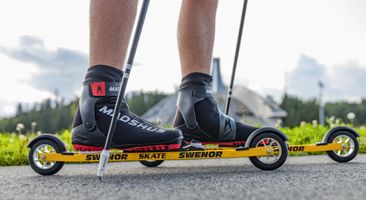
A smooth stretch of pavement can turn summer training into the closest thing to skating on snow - but skate roller skis for beginners demand more respect than most first-time skiers expect. They roll quickly, do not stop on command, and punish rushed technique. Start with stable equipment, a quiet low-traffic route, and a few focused skills, and roller skiing becomes one of the best ways to build fitness and ski-specific confidence before winter.

Best Road Bike Tire Width for Real-World SpeedBest Road Bike Tire Width for Real-World Speed
Best Road Bike Tire Width for Real-World Speed

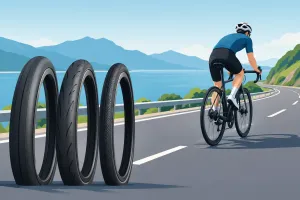
A 23 mm tire at 120 psi once looked like the fast choice on a road bike. On Ottawa pavement, country roads and the rougher sections of a long group ride, it often feels more like a compromise. The best road bike tire width is now usually wider than many riders expect, because lower rolling resistance, better control and less fatigue matter more than an old-school narrow profile.


For most performance road riders, 28 mm is the current starting point. It is not automatically the right answer for every bike, wheelset, event or rider, but it is the size against which other options should be measured. The right tire width has to work with your rim, frame clearance, riding surface, body weight and the pressure you can run safely.