How to fuel long rides starts before the door
Your ride nutrition begins with the meal before the ride, especially when you will be out for more than two hours. Aim for a familiar, carbohydrate-led meal two to four hours beforehand. Oats with fruit, toast and eggs, rice with yogurt, or a bagel with nut butter can all work. The right choice depends on your gut, start time, and how hard you plan to ride.
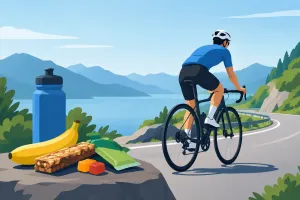
Keep fat and fibre moderate before a demanding effort. They are useful parts of an everyday diet, but a large serving immediately before hard riding can slow digestion or cause stomach discomfort. If you are leaving early and cannot manage a full breakfast, have a smaller snack 30 to 60 minutes beforehand, such as a banana, a bar, applesauce, or a bottle of carbohydrate drink.
Do not begin deliberately dehydrated. Drink normally with your meal and in the hour before you leave. There is no prize for forcing liters of water before rolling out, either. Overdrinking plain water can leave you uncomfortable and dilute blood sodium. Start hydrated, not waterlogged.
Set a carbohydrate target for the work ahead
Carbohydrate is the main fuel that protects your pace when duration and intensity climb. For an easy endurance ride of two to three hours, many riders do well with 30 to 60 grams of carbohydrate per hour. Once rides extend beyond three hours, include sustained climbing, or mimic race intensity, 60 to 90 grams per hour is a more useful target for most trained cyclists.
Some athletes can absorb 90 grams per hour or more, particularly with products that combine glucose and fructose. This takes practice. A sudden jump from one gel every hour to multiple gels, drink mix, and chews is a reliable way to learn about gastrointestinal distress at the least convenient moment.
Think of your target as a range, not a rule carved into a top tube. A light recovery spin in cool weather needs less than a six-hour gravel event with repeated hard efforts. Smaller riders may prefer the lower end, while larger riders, powerful racers, and athletes riding at a high intensity often need more. The practical measure is simple: can you hold your intended effort late in the ride without feeling ravenous, foggy, or unusually irritable?
Build an hourly plan you can actually follow
Before leaving, decide what one hour of fuel looks like. For example, it could be a 500 to 750 mL bottle containing 40 grams of carbohydrate plus a 25-gram bar. Or it could be one gel, one packet of chews, and a bottle with carbohydrate mix. There is no magic format. The best plan is portable, appetizing in changing weather, and easy to consume while riding.
Set an early alarm on your bike computer or watch if you tend to forget. Start eating within the first 20 to 30 minutes, rather than waiting for hunger. Hunger is a late signal during endurance exercise, and once you are behind on carbohydrate, it is difficult to catch up without overloading your stomach.
Bring more than one texture and flavour on longer rides. Sweet gels can be efficient, but after four hours a small savoury snack, rice cake, soft bar, or pretzels may be far more appealing. In cold weather, keep chews and bars somewhere they will not turn into frozen bricks. In July humidity, protect gels from direct sun and carry enough drink mix to make refills useful, not just wet.
Hydration is individual, sodium is situational
Sweat rate changes with temperature, humidity, clothing, wind, body size, and pace. A bottle-per-hour rule is convenient, but it is not universally correct. Many riders land somewhere around 400 to 800 mL of fluid per hour, with higher needs in heat. Use that as a starting point, then adjust based on thirst, conditions, access to refills, and body-mass changes across a long ride.
A simple field check can help. Weigh yourself before and after a familiar ride, wearing similar kit and accounting for what you drank. Major losses suggest you may need a more deliberate fluid plan; finishing heavier than you started can indicate you drank too much. Day-to-day variation is normal, so use several rides rather than treating one result as a diagnosis.
Sodium matters most when sweat losses are high, rides are long, or conditions are hot. Many endurance products provide roughly 300 to 600 mg of sodium per hour when used as directed. Heavy or salty sweaters may need more, while a cool two-hour ride may require much less. Sports drink, electrolyte mix, salty food, and sodium capsules can all have a place, but stacking every option without a plan can leave you with an overly concentrated drink and an unhappy gut.
If you are prone to cramping, do not assume sodium alone is the cure. Cramps can reflect pacing, fatigue, conditioning, heat stress, or a mismatch between training load and the effort you are asking from your body. Fuel and hydration support performance, but they cannot fully compensate for riding the first climb like it is the finish line.
Match the plan to road, gravel, and race intensity
On a steady road endurance day, regular intake is straightforward. Eat a portion every 20 to 30 minutes, drink consistently, and refill before bottles are empty. For gravel, plan more carefully. Rough surfaces make opening wrappers difficult, convenience stores may be far apart, and an unexpected mechanical can turn a four-hour route into five. Pack a reserve gel, extra drink mix, and enough fluid capacity for the longest gap between reliable water sources.
For a fondo, cyclocross training block, or race, use products and quantities you have tested in training. Aid stations are helpful, but they should supplement your plan rather than replace it. Know what you are carrying, what you will collect, and when you will take it. Race-day nutrition should feel boringly familiar.
Caffeine can be useful for alertness and perceived effort, especially in the final third of a long event. It can also increase jitters, urgency, or stomach trouble in sensitive riders.