Skin Skis Versus Waxable Skis: The Core Difference
A waxable classic ski creates grip through kick wax, or grip wax plus klister in wet or icy conditions, applied to the ski's wax pocket. When your weight compresses that pocket against the snow during the kick, the wax grips. When you glide, the pocket lifts clear enough to let the ski run on its glide zones.
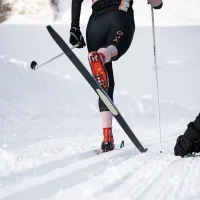
A skin ski replaces that kick wax with a short mohair, nylon, or mixed-fiber strip underfoot. The fibers lie in the direction of travel, allowing the ski to glide forward while resisting backward movement during the kick. You still need to glide wax or otherwise treat the tips and tails, but the grip zone is built into the ski.
That sounds simple, but neither system can overcome poor ski fit. A skin ski with an overly stiff flex may feel fast but slip on every climb. One that is too soft will drag because the skin contacts the snow too much. The same is true of a waxable ski: its wax pocket must match the skier's weight, technique, and intended snow range. Selecting the correct flex is the foundation, not an optional finishing detail.
Why Skin Skis Have Become the Everyday Favourite
Skin skis are exceptionally practical for Ottawa-area skiers dealing with fluctuating temperatures and limited time. You can arrive at the trail, put on your boots, and ski. There is no guessing whether the snow has changed since the morning report, no scraping off failed wax in the lodge, and far less risk of ending up with no grip halfway through a long loop.
They are especially effective for newer classic skiers, fitness-focused skiers, and athletes who want dependable low-intensity training between harder sessions. On a skin ski, you can focus on balance, weight transfer, pole timing, and relaxed climbing instead of wondering whether your grip wax is the problem.
Modern skin skis are much better than the early versions many experienced skiers remember. A well-fitted performance skin ski can feel lively, track cleanly, and provide impressively consistent kick. For a skier doing club sessions, weekend distance outings, and family trail days, the small glide compromise is often more than repaid in convenience.
Skin skis also make excellent travel skis. If you are heading to Gatineau Park, Mont Sainte-Anne, a cottage trail, or an event where you cannot predict the exact snow texture, bringing a pair that will grip in a wide range of conditions reduces the logistics considerably.
Skin skis still need care
Convenience is not the same as zero maintenance. The glide zones need regular cleaning and waxing to stay fast and protect the base. The skins should be cleaned occasionally to remove dirt and residue, then treated with a purpose-made anti-icing product when conditions are wet or near freezing.
Icing is the main skin-ski nuisance. If wet snow freezes into the fibers, the ski can feel slow and clumpy. Proper skin treatment helps, but very wet, rapidly changing conditions can challenge any no-wax setup. Skins also wear over time. Their service life depends on snow abrasiveness, kilometers skied, storage, and care, but replacement is a normal part of long-term ownership.
Why Waxable Skis Still Matter
Waxable skis remain the choice for skiers who want the highest possible performance, particularly in racing or structured training. When the skier, ski flex, wax selection, and application are all right, a waxable ski can offer cleaner glide and a more responsive, natural feel than a skin ski.
The advantage becomes more meaningful at speed. On hard-packed tracks, long downhills, rolling terrain, and race courses, a small reduction in drag can translate into real time and less fatigue. Advanced skiers also appreciate being able to fine-tune grip. A thin layer of hard wax may be all that is needed on cold new snow; a carefully built klister base can provide powerful kick in transformed, icy tracks.
Waxable skis have another strength: their grip system is adaptable. Skin material is fixed, while wax can be matched precisely to temperature, humidity, crystal shape, track glazing, and the skier's technique. That adaptability is why experienced wax technicians can make a waxable ski perform so well on race day.
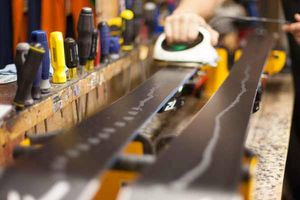
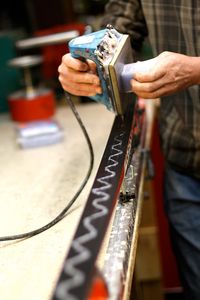
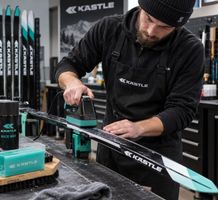
The trade-off is that waxing is a skill. It takes equipment, practice, and a willingness to test. Even skilled skiers occasionally miss the wax call, especially when temperatures rise quickly or a course moves through exposed and sheltered terrain. Klister days can be highly effective, but they are rarely tidy.
Waxable does not automatically mean faster
A waxable ski that is poorly selected or poorly waxed is not a fast ski. If the grip wax drags, the pocket is wrong, or the kick is unreliable, the theoretical performance advantage disappears quickly. A correctly fitted skin ski will often outperform a badly prepared waxable setup in real recreational conditions.
This is where professional ski selection and preparation pay off. Euro-Sports uses SkiSelector technology to help match ski flex and camber to the skier rather than relying on a generic stiffness label. It is a practical difference you can feel in both kick and glide.
Choose Based on Your Skiing, Not the Label
If you ski once or twice a week, value quick departures, or want one dependable pair for most winter outings, skin skis are usually the smart purchase. They are also ideal for a household where several skiers want to spend time moving on snow rather than standing around a waxing bench.
If you race, train with specific pace targets, enjoy equipment preparation, and have the patience to test wax, waxable skis deserve serious consideration. The same applies if you already own skins and want a second classic pair dedicated to key events and cold, fast conditions.