FREE SHIPPING ON ORDERS $100 +

Euro-Sports | yesterday

Ski Waxing for Faster Nordic Ski Days in Ottawa

A bluebird morning at Gatineau Park can start at -15 C, warm quickly in the sun, and leave the trail feeling completely different by noon. That is why ski waxing is not just a race-day ritual. It is the small piece of preparation that determines whether your skis feel free and fast, or slow enough to turn a great training session into a grind.


For Canadian Nordic skiers, waxing is about matching your ski base to the snow in front of you. Get it right and your skis carry speed, track cleanly, and preserve energy over long kilometres. Get it wrong and even excellent skis can feel like they are dragging a snowplow.

Clean, Flat Bases Come Before Fast Wax


Wax cannot compensate for neglected ski bases. Before applying a fresh layer, inspect the base under good light. White or grey patches, especially near the tips and tails, are a sign of dryness. Fine scratches are normal, but deeper gouges and an uneven base should be addressed before they compromise glide.


A clean base accepts wax more evenly. For regular maintenance, brushing out dirt and old surface residue is often enough. If the ski has been used in dirty spring conditions, transported on a roof rack, or stored with old contaminated wax, a proper cleaning is worthwhile. Avoid aggressive solvents unless they are specifically designed for ski bases, as repeated use can dry the material and reduce wax absorption.


Base structure matters as well. The fine pattern ground into the base manages water beneath the ski. In very cold, dry conditions, a finer structure generally helps. In wetter snow, a more open structure can reduce suction by moving water away. This is a service-area decision, and it is one reason serious skiers benefit from professional tuning rather than treating every base with the same all-purpose finish.


At Euro-Sports, precision ski tuning with SkiSelector technology helps take the guesswork out of base preparation and structure selection. It is particularly useful when your skis are fast in one condition but consistently disappointing in another.


How to Apply Glide Wax Properly


For most Nordic skiers, hot waxing remains the most durable and effective way to condition a sintered base. Liquid and spray products are convenient for quick touch-ups, but they do not usually offer the same durability for a long training day or a race effort.


Set your ski securely in a profile or vise. Brush the base first, then choose an iron temperature appropriate to the wax. Too much heat can damage the base, while too little prevents the wax from flowing properly. Drip wax sparingly along the ski, then move the iron continuously from tip to tail until the wax is evenly distributed. Do not let the iron sit still.


Let the ski cool fully before scraping. This allows the wax to harden in the base rather than being pulled out while it is still warm. Scrape with a sharp plastic scraper until excess wax is removed, then brush from tip to tail. Brushing is where many home wax jobs fall short. The goal is not to leave a visibly thick coat of wax on the ski. The goal is to leave wax in the base while clearing the structure so it can manage snow and moisture.


For routine training, a brass or bronze brush followed by nylon is a dependable sequence. A finer finishing brush can add polish for racing or important events. Use clean brushes and work consistently from tip to tail. Brushing back and forth can leave debris in the structure and reduce the benefit of the wax you just applied.


Grip Waxing Is a Different Problem


Classic skiers have two jobs: make the tips and tails glide, then create reliable kick underfoot. Do not apply grip wax where glide wax belongs. The kick zone is specific to the ski and skier, and it should be marked based on your weight, technique, and ski flex.


Traditional hard kick wax works best in colder, drier conditions. Applied in thin layers and corked smooth, it provides excellent feel when matched correctly. As the snow approaches freezing or becomes wet and glazed, klister may be the better choice. It is messier, but it can be the difference between secure climbing and a frustrating day of slipping.


The trade-off is clear: more grip often means more drag. A thick, overly soft kick zone can make a ski feel slow even when the glide zones are perfectly prepared. If you are skiing rolling terrain, favour the least aggressive grip that still lets you climb with confidence. Racers often use a thin binder layer and multiple carefully selected top layers, but recreational skiers can make major gains by simply keeping applications thin, smooth, and matched to the day.


Skin skis simplify grip waxing, not all ski maintenance. The mohair or synthetic skin must be clean and directional, and the glide zones still need regular waxing. A skin care product can help prevent icing in damp conditions, but it cannot replace a properly prepared base.


A Practical Wax Routine for Ottawa Skiers


If you ski once or twice a week, hot wax your glide zones every few outings, or sooner when the bases look dry. Brush before each ski, especially after a long drive with skis on the car. For classic waxable skis, refresh your kick wax whenever it wears unevenly, gets dirty, or no longer matches the conditions.


Before a major loppet, a Gatineau weekend, or a focused block of training, give yourself time to test. Wax one ski with a slightly colder option and the other with a slightly warmer option, then compare glide on a gentle downhill. This simple test will teach you more about local snow than any wax chart alone.


Keep a compact kit in your vehicle or ski bag: a scraper, cork, a couple of temperature-appropriate grip waxes if you ski classic, a small brush, and a quick glide option for emergencies. You do not need every wax on the wall. You need a few reliable products, a clean process, and enough time to use them well.


When a Shop Wax Job Makes Sense


A home setup is ideal for regular upkeep, but professional service earns its place when bases need repair, skis need a fresh structure, or conditions matter. It is also a smart option before a race when you would rather focus on pacing, nutrition, and sleep than spend the evening diagnosing your wax bench.


Bring your skis in with a clear description of where and when you will be skiing. Mention whether you are skating, classic skiing, or using skins, along with your event distance and expected temperatures. Good ski service is not one generic process. A 10 km hard-packed training loop, a spring Gran Fondo-style Nordic event, and a multi-hour marathon call for different priorities.


All of our staff are active cyclists, xc-skiers, and runners - so we know how important it is to have equipment properly tailored to an athlete's specific needs.


NOTE! No appointments needed for ski wax service - just bring your skis in and we will go from there!


Most repairs are completed within 48 hours of drop-off. Give us a call at 613-422-5616 to confirm turnaround time for your specific service.

Euro-Sports

More Posts

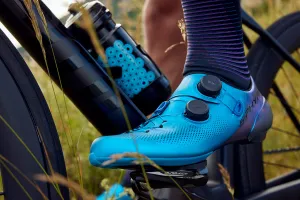
A cycling shoe that feels fine while standing in a shop can become a problem 40 kilometres into a hard ride. Hot spots, numb toes and heel lift waste energy and distract from the work in front of you. Knowing how to size cycling shoes is less about finding a number on a box and more about matching your foot shape, riding discipline and closure system to the demands of your ride.


For road training, gravel events, mountain bike laps or a winter block on the trainer, the goal is the same: secure foot retention without pressure. A properly fitted cycling shoe turns your foot into a stable platform over the pedal, helping you apply power cleanly while keeping comfort intact for hours.

<p>Carbon Wheel Durability for Canadian Riding</p><p>Carbon Wheel Durability for Canadian Riding</p>

Carbon Wheel Durability for Canadian Riding

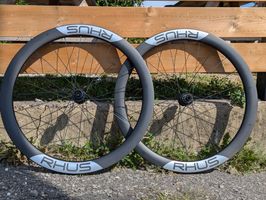
A sharp-edged pothole after a thaw, a square hit on a rocky descent, or a long wet brake down a Gatineau grade will test carbon wheel durability far more honestly than a product weight claim. Modern carbon wheels are exceptionally strong for their mass, but they are engineered systems, not indestructible race props. The right wheel, tire pressure, build quality and maintenance routine make the difference between years of fast riding and an expensive interruption to your season.


For road, gravel, mountain and cyclocross riders, carbon rims can be a dependable long-term upgrade. They hold their shape well, resist corrosion, and allow designers to tune stiffness, aerodynamics and impact resistance with remarkable precision. The trade-off is that damage is not always obvious, and a carbon rim requires a more disciplined inspection after a meaningful hit.

How to Fuel Long Rides Without Hitting the WallHow to Fuel Long Rides Without Hitting the Wall
How to Fuel Long Rides Without Hitting the Wall

A strong long ride can unravel surprisingly fast. You may feel excellent for the first two hours, then suddenly find every rise harder than it should be, your focus fading and your legs empty. That is rarely a fitness problem alone. Knowing how to fuel long rides means giving your body carbohydrate, fluid, sodium, and enough practice to use them when the pace lifts.


For Ottawa road loops, long gravel days in Lanark County, race simulations, or an all-day ride with friends, the goal is not to see how little you can consume. The goal is steady energy, clear decision-making, and enough left in the legs to enjoy the final hour rather than merely survive it.

Trail Running Shoes That Match Your TerrainTrail Running Shoes That Match Your Terrain
Trail Running Shoes That Match Your Terrain

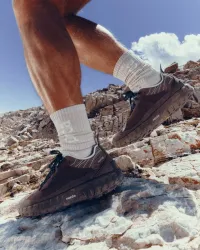
A muddy Gatineau descent, a root-laced loop at Camp Fortune, or a fast gravel connector on the Greenbelt all ask different things of your footwear. The right trail running shoes let you run with commitment rather than picking your way through every wet rock and loose corner. The wrong pair can leave your feet sliding in the shoe, your calves working overtime, and your confidence disappearing before the climb is over.


For Canadian runners, choosing a trail shoe is less about finding the most aggressive-looking outsole and more about matching grip, protection, fit, and cushioning to the routes you actually run. Our team rides, skis, and runs locally, and we know that one shoe rarely excels everywhere.

<p>Road Running Shoes for Racing That Fit Your Goal</p><p>Road Running Shoes for Racing That Fit Your Goal</p>

Road Running Shoes for Racing That Fit Your Goal

A race shoe earns its place long before the starting gun. It has to feel secure through the final turn, stay predictable when your form gets tired, and give you enough protection to train consistently on Ottawa pavement. The best road running shoes for racing are not automatically the lightest or most aggressively plated pair. They are the pair that lets you run your planned pace with confidence from kilometer one to the finish.


For a 5K specialist, that may mean a low, sharp shoe with a direct feel. For a first marathon or a spring half in changeable Canadian weather, it may mean more foam, a stable platform, and an upper that will not create trouble after 90 minutes. Race-day footwear should be selected for the athlete, the course, and the distance - not just the marketing label.

Skate Roller Skis for Beginners Start RightSkate Roller Skis for Beginners Start Right
Skate Roller Skis for Beginners Start Right

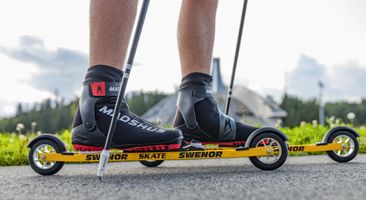
A smooth stretch of pavement can turn summer training into the closest thing to skating on snow - but skate roller skis for beginners demand more respect than most first-time skiers expect. They roll quickly, do not stop on command, and punish rushed technique. Start with stable equipment, a quiet low-traffic route, and a few focused skills, and roller skiing becomes one of the best ways to build fitness and ski-specific confidence before winter.

Best Road Bike Tire Width for Real-World SpeedBest Road Bike Tire Width for Real-World Speed
Best Road Bike Tire Width for Real-World Speed

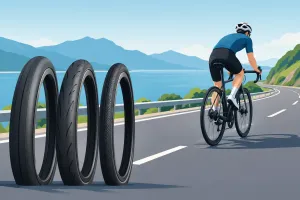
A 23 mm tire at 120 psi once looked like the fast choice on a road bike. On Ottawa pavement, country roads and the rougher sections of a long group ride, it often feels more like a compromise. The best road bike tire width is now usually wider than many riders expect, because lower rolling resistance, better control and less fatigue matter more than an old-school narrow profile.


For most performance road riders, 28 mm is the current starting point. It is not automatically the right answer for every bike, wheelset, event or rider, but it is the size against which other options should be measured. The right tire width has to work with your rim, frame clearance, riding surface, body weight and the pressure you can run safely.

<p>Cycling Helmets Canada Riders Choose for Performance</p><p>Cycling Helmets Canada Riders Choose for Performance</p>

Cycling Helmets Canada Riders Choose for Performance

A helmet that feels fine for ten minutes in a shop can become a pressure point halfway through a three-hour Gatineau gravel ride. That is why choosing cycling helmets Canada riders can depend on is not simply about finding the lowest weight or the most aggressive shape. It is about matching protection, fit, ventilation and riding discipline to the conditions you actually face.


A road rider training before work in Ottawa, a mountain biker spending a wet afternoon at the trailhead, and a cyclocross racer lining up in October do not need exactly the same helmet. The right choice should disappear once you are riding, while still providing the coverage, retention and impact protection appropriate to your sport.


A Cross Country Mountain Bike Build That FitsA Cross Country Mountain Bike Build That Fits
A Cross Country Mountain Bike Build That Fits

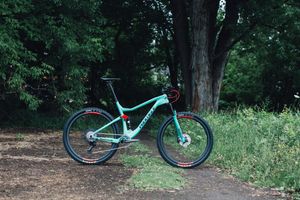
A fast bike that feels nervous on wet roots is not a race bike for most Canadian riders. Neither is a 14 kg trail bike with a lockout lever. A thoughtful cross country mountain bike build starts with the riding you actually do: long training loops, technical singletrack, local marathon events, or short-course racing where every acceleration matters.


The goal is not simply the lightest number on the scale. It is a bike that carries speed, tracks accurately when tired, climbs without wasted movement, and can be maintained through a full season of mud, dust, travel, and race weekends. Frame choice matters, but so do the decisions made around suspension travel, wheels, tires, cockpit position, and gearing.