FREE SHIPPING ON ORDERS $100 +

Euro-Sports | Sep 23

Carbon Wheel Durability for Canadian Riding

A sharp-edged pothole after a thaw, a square hit on a rocky descent, or a long wet brake down a Gatineau grade will test carbon wheel durability far more honestly than a product weight claim. Modern carbon wheels are exceptionally strong for their mass, but they are engineered systems, not indestructible race props. The right wheel, tire pressure, build quality and maintenance routine make the difference between years of fast riding and an expensive interruption to your season.


For road, gravel, mountain and cyclocross riders, carbon rims can be a dependable long-term upgrade. They hold their shape well, resist corrosion, and allow designers to tune stiffness, aerodynamics and impact resistance with remarkable precision. The trade-off is that damage is not always obvious, and a carbon rim requires a more disciplined inspection after a meaningful hit.

What Carbon Wheel Durability Really Means


Durability is not simply whether a wheel survives one dramatic impact. It includes fatigue resistance over thousands of kilometers, how well the rim tolerates repeated spoke loads, resistance to heat, its ability to stay true, and how it handles the real conditions surrounding the rim: tire pressure, trail surface, rider weight, braking system and wheel build.


A quality carbon rim is made from layers of carbon fiber set in resin. Fiber orientation, layer count, resin formulation and reinforcement around the spoke bed and bead hooks determine how the rim responds to load. Designers can add material where impacts occur, maintain stiffness around the spoke holes, and keep other sections lighter. That is why two carbon rims with the same depth and advertised weight can have very different ride feel and service life.


A well-built carbon wheel does not need to feel brutally stiff to be durable. In fact, overly stiff wheels can transmit more shock to the tire, frame and rider. The best setup balances lateral precision in corners with enough controlled compliance to keep the tire tracking rough pavement, washboard gravel or roots.


Carbon is strong, but its failure modes are different


Aluminum rims commonly dent, bend or develop a visible crack before they become unsafe. Carbon does not usually bend. It can survive a strike without visible change, or it can crack, delaminate or suffer fibre damage beneath an intact-looking finish. That does not make carbon fragile. It means riders should not judge it by the same visual standard as metal.


After a hard impact, listen for new creaks, inspect both sides of the rim in bright light, and check whether the wheel has developed a hop, wobble or loss of spoke tension. A professional assessment is worthwhile when the impact was hard enough to bottom the tire on the rim, especially at speed.


The Factors That Decide Carbon Wheel Durability


Rim design comes first. A shallow, wide gravel rim built around high-volume tires has different priorities than a deep aero road wheel. Gravel and mountain rims need a reinforced bead area and impact-resistant sidewalls. Road rims are often optimized for aerodynamics and lower rotating mass, but premium models still need enough material around the spoke bed and tire interface to cope with rough roads.


Tire choice and inflation pressure are just as important. A tire is your wheel's first suspension element. Running 28 mm road tires at an outdated, rock-hard pressure can turn Ottawa pavement seams and potholes into direct rim strikes. Wider tires at sensible pressures improve grip, comfort and impact protection. For gravel and mountain riding, a tubeless setup with the appropriate sealant can add another layer of protection, provided the tire is seated correctly and pressure is checked before every ride.


Rider and system weight matter as well. A wheel rated for a 100 kg system load is not necessarily unsuitable for a heavier rider, but the published limit includes bike, clothing, bottles, bags and equipment. A rider carrying bikepacking gear or riding aggressively on broken surfaces should select a wheel with the intended use and total system weight clearly in mind. More spokes, a stronger rim profile and a higher-volume tire are often smarter investments than chasing the lightest possible number on a scale.


The wheel build is the other half of the story. Spokes and nipples must be correctly tensioned and evenly balanced. A premium rim on a poorly tensioned build can fatigue early, go out of true or develop spoke-bed stress. Hubs also deserve attention: worn bearings, loose end caps or a damaged freehub can create play that riders mistakenly blame on the rim.


Canadian Roads and Trails Change the Calculation


Canadian riding adds variables that catalogue photography rarely shows. Spring debris hides potholes. Frost heaves create abrupt edges. Wet roads reduce traction, so riders brake later and sometimes hit obstacles with less control. Gravel routes can move from smooth hardpack to embedded rock in one corner.


Carbon wheels handle these conditions well when they are matched to them. A 45 mm gravel tire on a durable, wide internal-width rim is a different tool from a 25 mm tire on a lightweight deep-section race wheel. Neither is universally tougher. Each is durable within its intended pressure range, terrain and load.


Winter storage also deserves a quick mention. Avoid leaving wheels beside a furnace or in sustained extreme heat, and do not use harsh solvents when cleaning them. Road salt is more of a threat to spoke nipples, bearings, brake hardware and freehub components than to the carbon structure itself. A gentle wash after salty shoulder-season rides helps protect the complete wheel.


A Practical Inspection Routine


You do not need to obsess over every stone ping. Inspect your wheels during routine bike cleaning and after a major strike. Pay close attention if you notice any of the following:


A sharp crack, crease, chip that extends through the finish, or a soft-looking area near the bead or spoke hole.

A new pulsing sensation through the brakes, a noticeable wheel wobble, or a tire that no longer seats evenly.

Sudden loss of spoke tension, repeated broken spokes, or a clicking sound that follows wheel rotation.


A tire sidewall cut, burp mark, or sealant spray that suggests the rim took a bottom-out impact.

Remove the tire for a closer look if an impact was severe. Clean the rim first, because dried sealant and road grime can hide damage. Cosmetic marks in the clear coat are common, but do not assume a crack is cosmetic simply because it is small. When uncertain, stop riding the wheel until a qualified technician can inspect it.


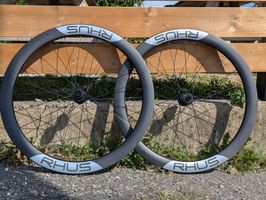
Check out our RHUS carbon fiber wheels available in 38mm, 50mm, 60mm, and 88mm rim depths.

All of our staff are active cyclists, xc-skiers, and runners - so we know how important it is to have equipment properly tailored to an athlete's specific needs.


NOTE! No appointments needed for ski wax service - just bring your skis in and we will go from there!


Most repairs are completed within 48 hours of drop-off. Give us a call at 613-422-5616 to confirm turnaround time for your specific service.

Euro-Sports

More Posts

Skratch Hydration Review for Canadian Endurance AthletesSkratch Hydration Review for Canadian Endurance Athletes
Skratch Hydration Review for Canadian Endurance Athletes

A bottle that still tastes acceptable three hours into a humid Gatineau gravel ride is worth more than a flashy nutrition label. This Skratch hydration review looks at what the mix does well in real training conditions: long road rides, trail runs, Nordic ski sessions, races and the awkward shoulder-season days when Ottawa weather cannot decide what it is doing.


Skratch is not designed to be the most aggressively dosed product on the shelf. Its core appeal is a drink mix built around drinkability, moderate electrolyte replacement and straightforward carbohydrate intake. For many endurance athletes, that makes it a reliable default rather than a niche race-day tool.

How to Choose Roller Skis for Better TrainingHow to Choose Roller Skis for Better Training
How to Choose Roller Skis for Better Training

A good roller ski session should feel like ski training, not like a fight with nervous equipment. The right roller skis let you build ski-specific balance, strength and timing from spring through late fall, whether you are preparing for a local loppet, a race season, or simply want to arrive at the first snowfall ready to ski.


For Canadian Nordic athletes, selection comes down to more than skate versus classic. Wheel speed, frame material, wheel diameter, binding position and braking confidence all shape how productive and enjoyable your pavement training will be. Buy for the terrain you actually have, the technique you want to improve, and the level of control you need when fatigue sets in.

Cross Country Ski Tuning Frequency ExplainedCross Country Ski Tuning Frequency Explained
Cross Country Ski Tuning Frequency Explained

A fast ski on the wrong wax can feel slow. A neglected base on the right wax can feel just as frustrating. Getting cross country ski tuning frequency right is less about following a rigid calendar and more about reading your ski bases, the snow, and the work you expect them to do. Ottawa-area skiers can see dry midwinter cold, abrasive man-made snow, fresh natural snow, and freeze-thaw conditions in the same month. Your skis need different attention in each.


For most recreational skiers, regular glide waxing and basic base care will keep equipment running well all season. Racers, high-volume trainers, and skiers using premium race bases should tune more deliberately. The goal is not to wax for the sake of waxing. It is to protect the base, preserve glide, and make every session feel closer to the ski your equipment was built to be.

How to Prepare Race Nutrition for Race DayHow to Prepare Race Nutrition for Race Day
How to Prepare Race Nutrition for Race Day

A perfect bike fit, fast skis, or fresh running shoes can only do so much if your fuel plan falls apart at 90 minutes. Knowing how to prepare race nutrition means turning your training-day habits into a simple, repeatable system that delivers carbohydrate, fluid, and sodium when your body can use them.


For Ottawa-area athletes, the variables can be especially sharp. A hot Gran Fondo, a humid summer triathlon, a cold Nordic loppet, and a muddy cyclocross race do not create the same fueling demands. The goal is not to copy the plan of the fastest person in your start corral. It is to arrive with a plan that matches your event duration, intensity, gut tolerance, weather, and access to bottles or aid stations.

Ski Base Care Guide for Faster Nordic SkisSki Base Care Guide for Faster Nordic Skis
Ski Base Care Guide for Faster Nordic Skis

A Nordic ski can have excellent camber, a well-chosen grind, and the right flex for your weight, yet still feel slow if its base is dry, dirty, or damaged. This ski base care guide focuses on the work that protects your glide zones between Ottawa freeze-thaw cycles, abrasive hardpack, road grit near trail access points, and long kilometers of training.


Base care is not about chasing perfection after every outing. It is about recognizing what the ski needs, applying the right level of maintenance, and avoiding the shortcuts that create more work later. A few deliberate habits will keep your skis faster, more predictable, and ready when fresh tracks appear.

Ski Tuning Performance Starts at the BaseSki Tuning Performance Starts at the Base
Ski Tuning Performance Starts at the Base

A ski can feel fast in the shop and stubborn on the trail 20 minutes later. That gap is usually not about fitness or an expensive new ski. It is about ski tuning performance: how well the base structure, wax selection, base condition, and ski setup match the snow beneath you.


For Ottawa-area Nordic skiers, conditions can change from dry, abrasive cold to humid transformed snow in a matter of days. A tune that works beautifully at -12 C may feel slow at -2 C, especially after fresh snow has been skied in. The right preparation gives you a ski that releases cleanly, carries speed through flats, and remains predictable when the course gets technical.

Nordic Ski Boot Guide: Find Your Best FitNordic Ski Boot Guide: Find Your Best Fit
Nordic Ski Boot Guide: Find Your Best Fit

A Nordic ski boot can make a fast ski feel vague, a perfect wax day feel uncomfortable, and a long Gatineau or Kichi Sibi outing end early. It is the point where your body meets the ski, so fit and compatibility matter as much as ski length, camber, or base structure. This Nordic ski boot guide will help you choose a boot that supports the way you actually ski - whether that means steady classic kilometers, skate intervals, loppet racing, or a mix of Ottawa winter terrain.

Is a Titanium Road Bike Worth It for Canadian Riders?Is a Titanium Road Bike Worth It for Canadian Riders?
Is a Titanium Road Bike Worth It for Canadian Riders?

A rough patch of pavement on the Ottawa River Parkway can tell you more about a frame material than a showroom test ride. A titanium road bike has a distinctive way of taking the edge off broken asphalt while still feeling direct when you stand on the pedals. For riders putting in long training blocks, chasing fondos, commuting through shoulder seasons, or building one road bike to keep for decades, that balance is the point.


Titanium is not automatically the fastest choice, the lightest choice, or the least expensive choice. What it offers is a rare combination of fatigue resistance, ride quality, corrosion resistance, and custom-build potential. If those qualities match how and where you ride, it can be one of the most satisfying investments in cycling.

Classic Versus Skate Skiing for Ottawa SkiersClassic Versus Skate Skiing for Ottawa Skiers
Classic Versus Skate Skiing for Ottawa Skiers

The first few meters usually settle the classic versus skate skiing question. Step into a groomed classic track, settle your weight over one ski, and the movement can feel familiar almost immediately. Push out onto a wide, firm skate lane, however, and the sport becomes more dynamic: balance, edge grip, timing, and a stronger aerobic engine all matter at once.


For Ottawa-area skiers, both techniques make sense. We have reliable Nordic communities, great trail networks, cold spells that reward good wax choices, and variable freeze-thaw conditions that can expose a poor ski setup quickly. The right choice is less about which style is "better" and more about where you ski, what kind of workout you want, and how much time you can give to learning the movement.