FREE SHIPPING ON ORDERS $100 +

Euro-Sports | Sep 14

A Cross Country Mountain Bike Build That Fits

A fast bike that feels nervous on wet roots is not a race bike for most Canadian riders. Neither is a 14 kg trail bike with a lockout lever. A thoughtful cross country mountain bike build starts with the riding you actually do: long training loops, technical singletrack, local marathon events, or short-course racing where every acceleration matters.


The goal is not simply the lightest number on the scale. It is a bike that carries speed, tracks accurately when tired, climbs without wasted movement, and can be maintained through a full season of mud, dust, travel, and race weekends. Frame choice matters, but so do the decisions made around suspension travel, wheels, tires, cockpit position, and gearing.

Start Your Cross Country Mountain Bike Build With the Course


Cross-country has become broader than its old hardtail-and-2.1-inch-tire stereotype. Modern XC courses ask for climbing efficiency, but they also include rock slabs, compressed corners, root webs, drops, and high-speed descending. The right build depends on where your riding sits on that spectrum.


For smooth, rolling terrain and riders who prize direct power transfer, a hardtail remains a compelling option. It is lighter, simpler, easier to service, and rewards clean line choice. A quality carbon hardtail with a 100 mm fork can feel exceptionally quick on dry, less technical courses. It is also a smart choice for riders who want one machine for racing, training, and winter indoor maintenance without the added complexity of rear suspension.


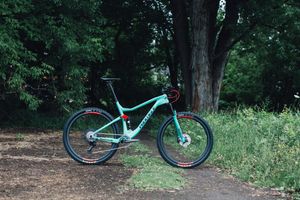
A short-travel full-suspension bike is often the better all-round Canadian XC tool. With 100 to 120 mm of rear travel and a 110 to 120 mm fork, it preserves traction on Ottawa-area roots and rocks, reduces fatigue over long distances, and lets many riders descend with more confidence. That confidence can be faster than any theoretical weight saving. The trade-off is a modest weight penalty, more pivots to inspect, and suspension service that needs a place in the annual budget.


Choose a frame by fit before finish or claimed frame weight. Stack, reach, seat-tube angle, and the available seatpost insertion depth determine whether you can create an efficient position without an extreme stem or a saddle pushed to its limit. On a custom Prologue build, geometry, frame material, paint, and component selection can be specified around the rider instead of asking the rider to adapt to a stock configuration.


Suspension Should Create Grip, Not Bounce


Suspension is where many otherwise excellent XC bikes lose their edge. An overinflated fork may feel efficient in a parking lot, then deflect off roots and force braking on the trail. A rear shock with too much sag may provide comfort but sit low in corners and bob under power. Set-up needs to reflect rider weight, equipment, terrain, and riding style.


For a full-suspension XC bike, begin with the manufacturer’s sag range, then test it on familiar terrain. Pay attention to whether the rear wheel maintains contact while climbing loose roots and whether the bike stays composed through repeated square-edge hits. Rebound should be quick enough to recover between impacts, but not so quick that the bike feels springy or unsettled.


Remote lockouts remain useful for racers and riders who spend time on paved connectors or smooth gravel climbs. They are not mandatory for every build. Modern XC suspension platforms can pedal efficiently in an open or intermediate setting, and one less cable can simplify the cockpit. If you do choose a remote, make sure it can be operated cleanly without changing your grip or interfering with a dropper post lever.


A dropper post deserves serious consideration, even for dedicated racing. A 100 to 125 mm dropper on the right frame lets you lower the saddle for descents, corners, remounts, and technical moves that would otherwise cost confidence. Pure weight-focused riders on very smooth courses may still choose a fixed post, but the time gained from better control is often greater than the grams saved.


Wheels and Tires Define the Ride


A premium wheelset changes more than the bike’s total weight. Lower rotating mass helps acceleration, while rim profile, spoke count, and hub engagement affect steering precision and response. For most riders, a durable carbon or high-quality alloy wheel with a sensible spoke count is a better investment than an ultra-light race wheel that needs constant truing after hard use.


Wide internal rims paired with 2.25 to 2.4 inch tires are now standard territory for modern cross-country riding. The extra tire volume delivers grip and damping without making the bike feel slow, especially when set up tubeless. A lighter, faster-rolling rear tire can work well for dry racing, while a more aggressive front tire gives braking confidence and better corner support.


Tire pressure must be tuned, not guessed. Rider weight, casing, rim width, trail moisture, and whether the bike is hardtail or full suspension all affect the right number. Start conservatively, then reduce pressure in small steps until traction improves without tire squirm, rim strikes, or burping. On rocky trails, a tougher casing may be faster over the course of a race because it allows you to ride decisively rather than protect a fragile tire.


Build the Cockpit Around Control and Breathing Room


The fastest position is one you can hold while producing power and looking where you need to go. Many riders chase a low handlebar because it looks race-ready, then end up with overloaded hands, a tight lower back, and reduced control on descents. A proper bike fit should establish saddle position first, then use stack height, bar rise, stem length, and bar width to create a balanced front end.


XC bars have become wider, commonly in the 740 to 760 mm range, because leverage matters on technical terrain. The correct width still depends on shoulder width, preferred terrain, and the trees on your regular trails. A rider who spends every weekend on tight singletrack may prefer a narrower, cleaner cockpit than a racer on open, modern courses.


Carbon bars can reduce vibration and save some weight, but their value depends on shape and fit. Do not select a bar only because it is light. Sweep, rise, and clamp diameter affect wrist angle and steering feel every time you ride. Grips, too, are a low-cost but meaningful choice: secure enough for wet gloves, comfortable enough for three-hour rides.

All of our staff are active cyclists, xc-skiers, and runners - so we know how important it is to have equipment properly tailored to an athlete's specific needs.


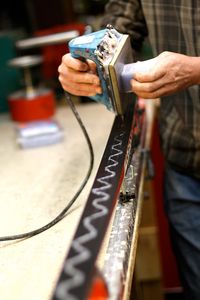
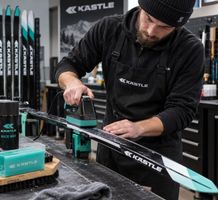
NOTE! No appointments needed for ski wax service - just bring your skis in and we will go from there!


Most repairs are completed within 48 hours of drop-off. Give us a call at 613-422-5616 to confirm turnaround time for your specific service.

Euro-Sports

More Posts

How to Choose Roller Skis for Better TrainingHow to Choose Roller Skis for Better Training
How to Choose Roller Skis for Better Training

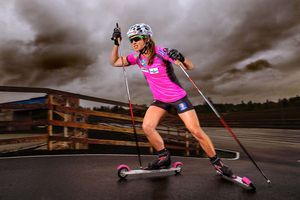
A good roller ski session should feel like ski training, not like a fight with nervous equipment. The right roller skis let you build ski-specific balance, strength and timing from spring through late fall, whether you are preparing for a local loppet, a race season, or simply want to arrive at the first snowfall ready to ski.


For Canadian Nordic athletes, selection comes down to more than skate versus classic. Wheel speed, frame material, wheel diameter, binding position and braking confidence all shape how productive and enjoyable your pavement training will be. Buy for the terrain you actually have, the technique you want to improve, and the level of control you need when fatigue sets in.

Cross Country Ski Tuning Frequency ExplainedCross Country Ski Tuning Frequency Explained
Cross Country Ski Tuning Frequency Explained

A fast ski on the wrong wax can feel slow. A neglected base on the right wax can feel just as frustrating. Getting cross country ski tuning frequency right is less about following a rigid calendar and more about reading your ski bases, the snow, and the work you expect them to do. Ottawa-area skiers can see dry midwinter cold, abrasive man-made snow, fresh natural snow, and freeze-thaw conditions in the same month. Your skis need different attention in each.


For most recreational skiers, regular glide waxing and basic base care will keep equipment running well all season. Racers, high-volume trainers, and skiers using premium race bases should tune more deliberately. The goal is not to wax for the sake of waxing. It is to protect the base, preserve glide, and make every session feel closer to the ski your equipment was built to be.

How to Prepare Race Nutrition for Race DayHow to Prepare Race Nutrition for Race Day
How to Prepare Race Nutrition for Race Day

A perfect bike fit, fast skis, or fresh running shoes can only do so much if your fuel plan falls apart at 90 minutes. Knowing how to prepare race nutrition means turning your training-day habits into a simple, repeatable system that delivers carbohydrate, fluid, and sodium when your body can use them.


For Ottawa-area athletes, the variables can be especially sharp. A hot Gran Fondo, a humid summer triathlon, a cold Nordic loppet, and a muddy cyclocross race do not create the same fueling demands. The goal is not to copy the plan of the fastest person in your start corral. It is to arrive with a plan that matches your event duration, intensity, gut tolerance, weather, and access to bottles or aid stations.

Ski Base Care Guide for Faster Nordic SkisSki Base Care Guide for Faster Nordic Skis
Ski Base Care Guide for Faster Nordic Skis

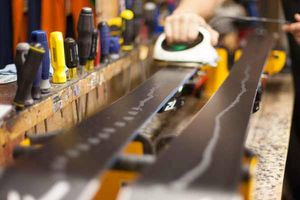
A Nordic ski can have excellent camber, a well-chosen grind, and the right flex for your weight, yet still feel slow if its base is dry, dirty, or damaged. This ski base care guide focuses on the work that protects your glide zones between Ottawa freeze-thaw cycles, abrasive hardpack, road grit near trail access points, and long kilometers of training.


Base care is not about chasing perfection after every outing. It is about recognizing what the ski needs, applying the right level of maintenance, and avoiding the shortcuts that create more work later. A few deliberate habits will keep your skis faster, more predictable, and ready when fresh tracks appear.

Ski Tuning Performance Starts at the BaseSki Tuning Performance Starts at the Base
Ski Tuning Performance Starts at the Base

A ski can feel fast in the shop and stubborn on the trail 20 minutes later. That gap is usually not about fitness or an expensive new ski. It is about ski tuning performance: how well the base structure, wax selection, base condition, and ski setup match the snow beneath you.


For Ottawa-area Nordic skiers, conditions can change from dry, abrasive cold to humid transformed snow in a matter of days. A tune that works beautifully at -12 C may feel slow at -2 C, especially after fresh snow has been skied in. The right preparation gives you a ski that releases cleanly, carries speed through flats, and remains predictable when the course gets technical.

Nordic Ski Boot Guide: Find Your Best FitNordic Ski Boot Guide: Find Your Best Fit
Nordic Ski Boot Guide: Find Your Best Fit

A Nordic ski boot can make a fast ski feel vague, a perfect wax day feel uncomfortable, and a long Gatineau or Kichi Sibi outing end early. It is the point where your body meets the ski, so fit and compatibility matter as much as ski length, camber, or base structure. This Nordic ski boot guide will help you choose a boot that supports the way you actually ski - whether that means steady classic kilometers, skate intervals, loppet racing, or a mix of Ottawa winter terrain.

Is a Titanium Road Bike Worth It for Canadian Riders?Is a Titanium Road Bike Worth It for Canadian Riders?
Is a Titanium Road Bike Worth It for Canadian Riders?

A rough patch of pavement on the Ottawa River Parkway can tell you more about a frame material than a showroom test ride. A titanium road bike has a distinctive way of taking the edge off broken asphalt while still feeling direct when you stand on the pedals. For riders putting in long training blocks, chasing fondos, commuting through shoulder seasons, or building one road bike to keep for decades, that balance is the point.


Titanium is not automatically the fastest choice, the lightest choice, or the least expensive choice. What it offers is a rare combination of fatigue resistance, ride quality, corrosion resistance, and custom-build potential. If those qualities match how and where you ride, it can be one of the most satisfying investments in cycling.

Classic Versus Skate Skiing for Ottawa SkiersClassic Versus Skate Skiing for Ottawa Skiers
Classic Versus Skate Skiing for Ottawa Skiers

The first few meters usually settle the classic versus skate skiing question. Step into a groomed classic track, settle your weight over one ski, and the movement can feel familiar almost immediately. Push out onto a wide, firm skate lane, however, and the sport becomes more dynamic: balance, edge grip, timing, and a stronger aerobic engine all matter at once.


For Ottawa-area skiers, both techniques make sense. We have reliable Nordic communities, great trail networks, cold spells that reward good wax choices, and variable freeze-thaw conditions that can expose a poor ski setup quickly. The right choice is less about which style is "better" and more about where you ski, what kind of workout you want, and how much time you can give to learning the movement.

Custom Bicycle Geometry Guide for Better FitCustom Bicycle Geometry Guide for Better Fit
Custom Bicycle Geometry Guide for Better Fit

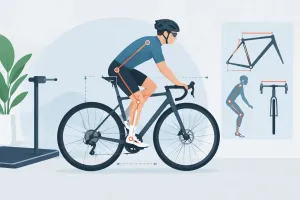
A frame can be beautifully built, fitted with premium wheels and perfectly tuned shifting, yet still feel wrong from the first hard climb. That is where a custom bicycle geometry guide earns its place. Custom geometry is not about making every measurement different for the sake of it. It is about building a bike around the way you move, the terrain you ride, the events you target and the handling you expect when the pace rises.


For Canadian riders, that may mean a fast road position that remains comfortable through a long Gatineau loop, a gravel bike stable enough for washboard roads and loaded overnighters, or a mountain bike that keeps you centered on steep, technical descents. The right numbers create a bike you can ride harder, longer and with more confidence.