FREE SHIPPING ON ORDERS $100 +

Euro-Sports | Sep 25

How to Size Cycling Shoes for a Better Ride

A cycling shoe that feels fine while standing in a shop can become a problem 40 kilometres into a hard ride. Hot spots, numb toes and heel lift waste energy and distract from the work in front of you. Knowing how to size cycling shoes is less about finding a number on a box and more about matching your foot shape, riding discipline and closure system to the demands of your ride.


For road training, gravel events, mountain bike laps or a winter block on the trainer, the goal is the same: secure foot retention without pressure. A properly fitted cycling shoe turns your foot into a stable platform over the pedal, helping you apply power cleanly while keeping comfort intact for hours.

Start With Your Actual Foot Measurements


Shoe sizing varies significantly between brands, and a European size is not always directly comparable to your usual running-shoe size. Measure both feet at the end of the day, when they are slightly fuller, while wearing the sock thickness you ride in. Stand with your heel against a wall, mark the end of your longest toe, then measure the distance in millimeters.


Measure the width, too. A foot can be average in length but need a wider last through the forefoot, or it may be narrow at the heel and higher over the instep. Those details matter more in cycling shoes than many riders expect because performance uppers do not stretch dramatically after purchase.


Use the larger foot as your reference. Most people have a small difference in length or width between feet. You should never size down to accommodate the smaller foot, since a shoe that compresses the larger foot will become painful under load. Fine-tune the smaller side with the closure system, an insole adjustment or, where appropriate, a thin volume reducer.


How to Size Cycling Shoes: Check Length First


With the shoe on and fully fastened, stand up and put your weight evenly through both feet. Your heel should sit firmly in the heel cup, and your toes should rest naturally without touching the front. A small amount of space ahead of the longest toe is necessary, typically about 5 to 10 millimeters, but it should not feel like a loose running shoe.


Cycling shoes work best with a close, supportive fit because the foot is held in a fixed position through every pedal stroke. Still, close should not mean cramped. Your toes need room to spread slightly when you are working hard, especially on long climbs, hot days and sustained indoor sessions where feet can swell.


Check the shoe seated in a riding position if possible. Bend your knee forward as though you are at the top of the pedal stroke, then press down through the forefoot. If your toes jam against the front, move up a size or try a different shape. If the heel rises noticeably, first tighten the closure system. If lift remains, the heel cup or overall volume may not suit your foot.


Width and Volume Are Not the Same Thing


A shoe can feel too tight for several different reasons. Pressure along the outside of the little toe or across the metatarsals usually points to insufficient width. Pressure across the top of the foot may indicate too little instep volume or an overly aggressive closure adjustment. A heel that moves while the forefoot feels secure can mean the shoe is too high-volume around the ankle rather than too long.


This distinction helps you choose the right solution. Going up a full size may add unwanted length without solving a width issue. Instead, look for a brand or model offered in a wide fit, or one built on a roomier last. Riders with narrower feet often benefit from a more precise heel cup and dual-dial closure system that can independently control tension over the forefoot and upper.


Do not expect a premium synthetic upper to break in like a leather dress shoe. Modern cycling shoes are designed to hold their shape for consistent power transfer. They may soften slightly after several rides, but a pressure point that is obvious on day one is unlikely to disappear.


Match the Fit to Your Riding Discipline


Road shoes usually prioritize low weight, a stiff sole and a close, race-ready fit. With little walking involved, they can be more structured around the foot. That said, a road shoe still needs enough toe room for a four-hour club ride or a long gran fondo.


Gravel and cyclocross riders need similarly efficient pedaling, but should consider the realities of hike-a-bike sections, dismounts and rough terrain. A grippy tread and recessed cleat add versatility, while a slightly more accommodating upper can be welcome on long mixed-surface days. Do not oversize just to make walking easier. Choose a purpose-built off-road shoe instead.


Mountain bike shoes tend to offer more protection and more walking traction, particularly for trail and enduro riding. The fit should still be secure at the heel and midfoot, but riders who frequently put a foot down may prefer a little more comfort around the toe box. For cross-country racing, fit often trends closer to a road shoe because direct power transfer is the priority.


Indoor cycling creates its own fit challenge. Feet can heat up and swell quickly in a warm training room. Start with a well-fitted shoe, use a proper fan and avoid overtightening the dials before a hard interval session. If you consistently experience numbness indoors but not outdoors, heat management and closure tension may be the issue rather than the shoe size.


Set the Closure System With Intention


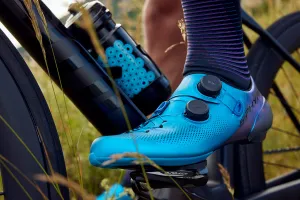
BOA-style dials, ratchets, laces and hook-and-loop straps all work when adjusted correctly. The best system is the one that holds your foot evenly without creating a concentrated pressure point. Fasten the shoe firmly around the midfoot and heel, then keep the forefoot secure but not squeezed.


A common mistake is cranking every closure as tight as possible before rolling out. Your foot naturally expands during a ride, and excessive tension can compress nerves across the top of the foot. If you develop tingling or numbness, back off the closure in small increments before assuming you need a new size.


Wear your usual cycling socks during every fit check. Thick winter socks may require a different adjustment than lightweight summer socks, and some riders who train year-round are best served by a dedicated cold-weather shoe rather than sizing up their summer pair.

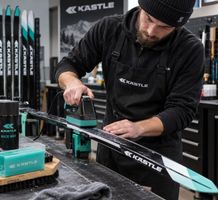
All of our staff are active cyclists, xc-skiers, and runners - so we know how important it is to have equipment properly tailored to an athlete's specific needs.


NOTE! No appointments needed for ski wax service - just bring your skis in and we will go from there!


Most repairs are completed within 48 hours of drop-off. Give us a call at 613-422-5616 to confirm turnaround time for your specific service.

Euro-Sports

More Posts

Best Nordic Ski Poles for Canadian SkiersBest Nordic Ski Poles for Canadian Skiers
Best Nordic Ski Poles for Canadian Skiers

A pole that is too soft, too long, or fitted with a loose strap turns every kilometre into wasted energy. The best Nordic ski poles are not simply the lightest pair on the wall. They match your technique, height, snow conditions, and how hard you intend to ski - whether that means steady laps at Gatineau Park, a midwinter loppet, or focused skate intervals before work.


For Canadian skiers, durability matters alongside weight. Poles see hard-packed tracks, icy parking lots, cold temperatures, road crossings, and the occasional awkward fall. The right model should feel fast in the hand without becoming a piece of race equipment you are afraid to use.

Skratch Hydration Review for Canadian Endurance AthletesSkratch Hydration Review for Canadian Endurance Athletes
Skratch Hydration Review for Canadian Endurance Athletes

A bottle that still tastes acceptable three hours into a humid Gatineau gravel ride is worth more than a flashy nutrition label. This Skratch hydration review looks at what the mix does well in real training conditions: long road rides, trail runs, Nordic ski sessions, races and the awkward shoulder-season days when Ottawa weather cannot decide what it is doing.


Skratch is not designed to be the most aggressively dosed product on the shelf. Its core appeal is a drink mix built around drinkability, moderate electrolyte replacement and straightforward carbohydrate intake. For many endurance athletes, that makes it a reliable default rather than a niche race-day tool.

How to Choose Roller Skis for Better TrainingHow to Choose Roller Skis for Better Training
How to Choose Roller Skis for Better Training

A good roller ski session should feel like ski training, not like a fight with nervous equipment. The right roller skis let you build ski-specific balance, strength and timing from spring through late fall, whether you are preparing for a local loppet, a race season, or simply want to arrive at the first snowfall ready to ski.


For Canadian Nordic athletes, selection comes down to more than skate versus classic. Wheel speed, frame material, wheel diameter, binding position and braking confidence all shape how productive and enjoyable your pavement training will be. Buy for the terrain you actually have, the technique you want to improve, and the level of control you need when fatigue sets in.

Cross Country Ski Tuning Frequency ExplainedCross Country Ski Tuning Frequency Explained
Cross Country Ski Tuning Frequency Explained

A fast ski on the wrong wax can feel slow. A neglected base on the right wax can feel just as frustrating. Getting cross country ski tuning frequency right is less about following a rigid calendar and more about reading your ski bases, the snow, and the work you expect them to do. Ottawa-area skiers can see dry midwinter cold, abrasive man-made snow, fresh natural snow, and freeze-thaw conditions in the same month. Your skis need different attention in each.


For most recreational skiers, regular glide waxing and basic base care will keep equipment running well all season. Racers, high-volume trainers, and skiers using premium race bases should tune more deliberately. The goal is not to wax for the sake of waxing. It is to protect the base, preserve glide, and make every session feel closer to the ski your equipment was built to be.

How to Prepare Race Nutrition for Race DayHow to Prepare Race Nutrition for Race Day
How to Prepare Race Nutrition for Race Day

A perfect bike fit, fast skis, or fresh running shoes can only do so much if your fuel plan falls apart at 90 minutes. Knowing how to prepare race nutrition means turning your training-day habits into a simple, repeatable system that delivers carbohydrate, fluid, and sodium when your body can use them.


For Ottawa-area athletes, the variables can be especially sharp. A hot Gran Fondo, a humid summer triathlon, a cold Nordic loppet, and a muddy cyclocross race do not create the same fueling demands. The goal is not to copy the plan of the fastest person in your start corral. It is to arrive with a plan that matches your event duration, intensity, gut tolerance, weather, and access to bottles or aid stations.

Ski Base Care Guide for Faster Nordic SkisSki Base Care Guide for Faster Nordic Skis
Ski Base Care Guide for Faster Nordic Skis

A Nordic ski can have excellent camber, a well-chosen grind, and the right flex for your weight, yet still feel slow if its base is dry, dirty, or damaged. This ski base care guide focuses on the work that protects your glide zones between Ottawa freeze-thaw cycles, abrasive hardpack, road grit near trail access points, and long kilometers of training.


Base care is not about chasing perfection after every outing. It is about recognizing what the ski needs, applying the right level of maintenance, and avoiding the shortcuts that create more work later. A few deliberate habits will keep your skis faster, more predictable, and ready when fresh tracks appear.

Ski Tuning Performance Starts at the BaseSki Tuning Performance Starts at the Base
Ski Tuning Performance Starts at the Base

A ski can feel fast in the shop and stubborn on the trail 20 minutes later. That gap is usually not about fitness or an expensive new ski. It is about ski tuning performance: how well the base structure, wax selection, base condition, and ski setup match the snow beneath you.


For Ottawa-area Nordic skiers, conditions can change from dry, abrasive cold to humid transformed snow in a matter of days. A tune that works beautifully at -12 C may feel slow at -2 C, especially after fresh snow has been skied in. The right preparation gives you a ski that releases cleanly, carries speed through flats, and remains predictable when the course gets technical.

Nordic Ski Boot Guide: Find Your Best FitNordic Ski Boot Guide: Find Your Best Fit
Nordic Ski Boot Guide: Find Your Best Fit

A Nordic ski boot can make a fast ski feel vague, a perfect wax day feel uncomfortable, and a long Gatineau or Kichi Sibi outing end early. It is the point where your body meets the ski, so fit and compatibility matter as much as ski length, camber, or base structure. This Nordic ski boot guide will help you choose a boot that supports the way you actually ski - whether that means steady classic kilometers, skate intervals, loppet racing, or a mix of Ottawa winter terrain.

Is a Titanium Road Bike Worth It for Canadian Riders?Is a Titanium Road Bike Worth It for Canadian Riders?
Is a Titanium Road Bike Worth It for Canadian Riders?

A rough patch of pavement on the Ottawa River Parkway can tell you more about a frame material than a showroom test ride. A titanium road bike has a distinctive way of taking the edge off broken asphalt while still feeling direct when you stand on the pedals. For riders putting in long training blocks, chasing fondos, commuting through shoulder seasons, or building one road bike to keep for decades, that balance is the point.


Titanium is not automatically the fastest choice, the lightest choice, or the least expensive choice. What it offers is a rare combination of fatigue resistance, ride quality, corrosion resistance, and custom-build potential. If those qualities match how and where you ride, it can be one of the most satisfying investments in cycling.