FREE SHIPPING ON ORDERS $100 +

Euro-Sports | 11 hours ago

How to Choose Roller Skis for Better Training

A good roller ski session should feel like ski training, not like a fight with nervous equipment. The right roller skis let you build ski-specific balance, strength and timing from spring through late fall, whether you are preparing for a local loppet, a race season, or simply want to arrive at the first snowfall ready to ski.


For Canadian Nordic athletes, selection comes down to more than skate versus classic. Wheel speed, frame material, wheel diameter, binding position and braking confidence all shape how productive and enjoyable your pavement training will be. Buy for the terrain you actually have, the technique you want to improve, and the level of control you need when fatigue sets in.

Start With Your Ski Technique


The first decision is straightforward: choose classic roller skis for classic-specific training and skate roller skis for skate-specific training. Their geometry is purpose-built, and trying to make one do the job of the other usually compromises technique.


Classic models have a longer wheelbase and a ratcheted rear wheel that allows the ski to roll forward while resisting backward motion. That grip mechanism creates the platform needed for kick timing, diagonal stride, double poling and classic-specific balance. If long-distance classic events are your priority, classic roller skis are the most direct way to maintain your movement patterns through the off-season.


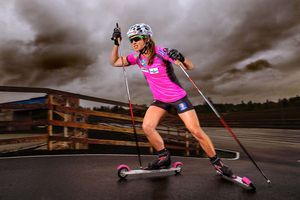
Skate models are shorter, lighter and more manoeuvrable. Both wheels roll freely, allowing the lateral push, edge pressure and quick weight transfer required for V1, V2 and open-field skate technique. Their shorter frames also make them easier to handle in corners and on tighter multi-use paths.


Athletes who race both techniques often need two setups. That is not unnecessary overlap. The neuromuscular demands of classic and skate skiing differ enough that dedicated equipment delivers more useful training.


Wheel Speed Determines More Than Pace


Wheel speed is one of the most consequential choices, particularly on Ottawa-area bike paths and rolling roads. Most roller ski wheels are offered in speed ratings, with a slower wheel providing more rolling resistance and a faster wheel feeling closer to a hard, dry pavement glide.


A medium or standard wheel is the sensible default for most skiers. It provides enough resistance to encourage a complete push and controlled recovery without turning every gradual rise into a strength test. A fast wheel can feel exciting, but it can also expose a skier to more speed than their braking and cornering skills can comfortably manage.


Slower wheels have a place for strong skiers who train on flat routes, athletes seeking more muscular load, or heavier skiers who find standard wheels run too freely. The trade-off is that slow wheels can make technique deteriorate on hills when the effort becomes too high. They are training tools, not automatically the "better" choice.


Wheel speed can also vary by brand and wheel material, so labels are not perfectly interchangeable. If you are replacing wheels, match the manufacturer’s specifications and use compatible components. A slightly worn wheel pair can feel very different from a new pair, especially in wet conditions.


Rubber Wheels, Polyurethane Wheels and Road Feel


Rubber wheels are common on premium roller skis because they offer grip, vibration damping and a more ski-like ride. They are especially welcome on imperfect pavement, where hard wheels can transmit every crack and expansion joint through the frame.


Polyurethane wheels can be durable and quick, but their firmer ride may suit smooth routes better. Neither material makes sense in isolation. Consider your usual pavement, body weight, typical weather and whether you value comfort or maximum rolling efficiency. For most all-round Canadian training, predictable traction and control are worth more than chasing the fastest possible roll.


Frame Length and Material Affect Technique


Classic roller skis typically use longer frames to create a stable platform for diagonal stride. That added length helps the ski track straight and rewards a relaxed, centered stance. Skate frames are shorter to allow a natural skating stride and quicker handling.


Frame material changes feel. Aluminum frames are precise, durable and popular with racers. They tend to feel direct underfoot, transferring power efficiently but also passing more road vibration to the skier. Composite frames can soften rough pavement and offer a more forgiving ride, which many recreational and long-distance athletes appreciate. The right choice depends on your priority: crisp response and durability, or a little more comfort over long sessions.


Do not select a frame only by ski length. The usable wheelbase, mounting plate and flex characteristics matter more than a simple centimeter measurement. A technical fit conversation is worthwhile when you are between sizes, exceptionally tall, or looking for a setup that closely matches the feel of your winter skis.


Bindings Should Match Your Winter System


Roller skis should reinforce familiar habits. Installing the same binding system and compatible boots you use on snow keeps foot position, balance and power transfer consistent. It also avoids the frustration of changing equipment standards between seasons.


Binding placement matters. A correctly mounted binding puts the boot in a balanced position over the wheels, helping the ski track predictably and making weight transfer easier. This is a small detail with a large effect on confidence. A professional installation is particularly valuable for new roller skis, where accurate mounting protects both performance and equipment.


If you are buying new boots specifically for pavement, remember that roller skiing is harder on uppers, soles and closures than groomed snow. Many committed skiers use a dedicated older pair for dryland training and save their freshest race boots for winter. That approach is practical, provided the boots still support the ankle and hold the heel securely.


Braking Is a Skill Before It Is a Product


Unlike bicycles, roller skis do not give every athlete an easy, universal braking solution. Some systems offer brakes, and they can be useful for certain classic setups or controlled training environments. But technique, route choice and judgement remain your primary safety system.


Before your first long outing, practise stepping off onto grass, using a controlled snowplow-like reduction in speed where appropriate, turning safely at low speed and stopping on flat ground. Never make a steep descent your first test of a new setup.

All of our staff are active cyclists, xc-skiers, and runners - so we know how important it is to have equipment properly tailored to an athlete's specific needs.


NOTE! No appointments needed for ski wax service - just bring your skis in and we will go from there!


Most repairs are completed within 48 hours of drop-off. Give us a call at 613-422-5616 to confirm turnaround time for your specific service.

Euro-Sports

More Posts

Cross Country Ski Tuning Frequency ExplainedCross Country Ski Tuning Frequency Explained
Cross Country Ski Tuning Frequency Explained

A fast ski on the wrong wax can feel slow. A neglected base on the right wax can feel just as frustrating. Getting cross country ski tuning frequency right is less about following a rigid calendar and more about reading your ski bases, the snow, and the work you expect them to do. Ottawa-area skiers can see dry midwinter cold, abrasive man-made snow, fresh natural snow, and freeze-thaw conditions in the same month. Your skis need different attention in each.


For most recreational skiers, regular glide waxing and basic base care will keep equipment running well all season. Racers, high-volume trainers, and skiers using premium race bases should tune more deliberately. The goal is not to wax for the sake of waxing. It is to protect the base, preserve glide, and make every session feel closer to the ski your equipment was built to be.

How to Prepare Race Nutrition for Race DayHow to Prepare Race Nutrition for Race Day
How to Prepare Race Nutrition for Race Day

A perfect bike fit, fast skis, or fresh running shoes can only do so much if your fuel plan falls apart at 90 minutes. Knowing how to prepare race nutrition means turning your training-day habits into a simple, repeatable system that delivers carbohydrate, fluid, and sodium when your body can use them.


For Ottawa-area athletes, the variables can be especially sharp. A hot Gran Fondo, a humid summer triathlon, a cold Nordic loppet, and a muddy cyclocross race do not create the same fueling demands. The goal is not to copy the plan of the fastest person in your start corral. It is to arrive with a plan that matches your event duration, intensity, gut tolerance, weather, and access to bottles or aid stations.

Ski Base Care Guide for Faster Nordic SkisSki Base Care Guide for Faster Nordic Skis
Ski Base Care Guide for Faster Nordic Skis

A Nordic ski can have excellent camber, a well-chosen grind, and the right flex for your weight, yet still feel slow if its base is dry, dirty, or damaged. This ski base care guide focuses on the work that protects your glide zones between Ottawa freeze-thaw cycles, abrasive hardpack, road grit near trail access points, and long kilometers of training.


Base care is not about chasing perfection after every outing. It is about recognizing what the ski needs, applying the right level of maintenance, and avoiding the shortcuts that create more work later. A few deliberate habits will keep your skis faster, more predictable, and ready when fresh tracks appear.

Ski Tuning Performance Starts at the BaseSki Tuning Performance Starts at the Base
Ski Tuning Performance Starts at the Base

A ski can feel fast in the shop and stubborn on the trail 20 minutes later. That gap is usually not about fitness or an expensive new ski. It is about ski tuning performance: how well the base structure, wax selection, base condition, and ski setup match the snow beneath you.


For Ottawa-area Nordic skiers, conditions can change from dry, abrasive cold to humid transformed snow in a matter of days. A tune that works beautifully at -12 C may feel slow at -2 C, especially after fresh snow has been skied in. The right preparation gives you a ski that releases cleanly, carries speed through flats, and remains predictable when the course gets technical.

Nordic Ski Boot Guide: Find Your Best FitNordic Ski Boot Guide: Find Your Best Fit
Nordic Ski Boot Guide: Find Your Best Fit

A Nordic ski boot can make a fast ski feel vague, a perfect wax day feel uncomfortable, and a long Gatineau or Kichi Sibi outing end early. It is the point where your body meets the ski, so fit and compatibility matter as much as ski length, camber, or base structure. This Nordic ski boot guide will help you choose a boot that supports the way you actually ski - whether that means steady classic kilometers, skate intervals, loppet racing, or a mix of Ottawa winter terrain.

Is a Titanium Road Bike Worth It for Canadian Riders?Is a Titanium Road Bike Worth It for Canadian Riders?
Is a Titanium Road Bike Worth It for Canadian Riders?

A rough patch of pavement on the Ottawa River Parkway can tell you more about a frame material than a showroom test ride. A titanium road bike has a distinctive way of taking the edge off broken asphalt while still feeling direct when you stand on the pedals. For riders putting in long training blocks, chasing fondos, commuting through shoulder seasons, or building one road bike to keep for decades, that balance is the point.


Titanium is not automatically the fastest choice, the lightest choice, or the least expensive choice. What it offers is a rare combination of fatigue resistance, ride quality, corrosion resistance, and custom-build potential. If those qualities match how and where you ride, it can be one of the most satisfying investments in cycling.

Classic Versus Skate Skiing for Ottawa SkiersClassic Versus Skate Skiing for Ottawa Skiers
Classic Versus Skate Skiing for Ottawa Skiers

The first few meters usually settle the classic versus skate skiing question. Step into a groomed classic track, settle your weight over one ski, and the movement can feel familiar almost immediately. Push out onto a wide, firm skate lane, however, and the sport becomes more dynamic: balance, edge grip, timing, and a stronger aerobic engine all matter at once.


For Ottawa-area skiers, both techniques make sense. We have reliable Nordic communities, great trail networks, cold spells that reward good wax choices, and variable freeze-thaw conditions that can expose a poor ski setup quickly. The right choice is less about which style is "better" and more about where you ski, what kind of workout you want, and how much time you can give to learning the movement.

Custom Bicycle Geometry Guide for Better FitCustom Bicycle Geometry Guide for Better Fit
Custom Bicycle Geometry Guide for Better Fit

A frame can be beautifully built, fitted with premium wheels and perfectly tuned shifting, yet still feel wrong from the first hard climb. That is where a custom bicycle geometry guide earns its place. Custom geometry is not about making every measurement different for the sake of it. It is about building a bike around the way you move, the terrain you ride, the events you target and the handling you expect when the pace rises.


For Canadian riders, that may mean a fast road position that remains comfortable through a long Gatineau loop, a gravel bike stable enough for washboard roads and loaded overnighters, or a mountain bike that keeps you centered on steep, technical descents. The right numbers create a bike you can ride harder, longer and with more confidence.

How to Clean Disc Brakes Without Contaminating PadsHow to Clean Disc Brakes Without Contaminating Pads
How to Clean Disc Brakes Without Contaminating Pads

A rotor that squeals through every stop after an Ottawa rain ride is not merely annoying. It is usually telling you that grime, chain lubricant, trail spray or cleaning residue has reached the braking surface. Knowing how to clean disc brakes properly restores consistent lever feel and modulation without creating the bigger problem: contaminated pads.


Disc brakes need very little routine attention, but they are intolerant of the wrong products. Treat the rotor and pads as a clean zone, separate from the drivetrain and frame-cleaning work. A few careful minutes after a wet, gritty ride can prevent noise, preserve pad life and keep your bike ready for the next training block.