FREE SHIPPING ON ORDERS $100 +

Euro-Sports | 3 hours ago

Carbon Wheel Durability for Canadian Riding

A sharp-edged pothole after a thaw, a square hit on a rocky descent, or a long wet brake down a Gatineau grade will test carbon wheel durability far more honestly than a product weight claim. Modern carbon wheels are exceptionally strong for their mass, but they are engineered systems, not indestructible race props. The right wheel, tire pressure, build quality and maintenance routine make the difference between years of fast riding and an expensive interruption to your season.


For road, gravel, mountain and cyclocross riders, carbon rims can be a dependable long-term upgrade. They hold their shape well, resist corrosion, and allow designers to tune stiffness, aerodynamics and impact resistance with remarkable precision. The trade-off is that damage is not always obvious, and a carbon rim requires a more disciplined inspection after a meaningful hit.

What Carbon Wheel Durability Really Means


Durability is not simply whether a wheel survives one dramatic impact. It includes fatigue resistance over thousands of kilometers, how well the rim tolerates repeated spoke loads, resistance to heat, its ability to stay true, and how it handles the real conditions surrounding the rim: tire pressure, trail surface, rider weight, braking system and wheel build.


A quality carbon rim is made from layers of carbon fiber set in resin. Fiber orientation, layer count, resin formulation and reinforcement around the spoke bed and bead hooks determine how the rim responds to load. Designers can add material where impacts occur, maintain stiffness around the spoke holes, and keep other sections lighter. That is why two carbon rims with the same depth and advertised weight can have very different ride feel and service life.


A well-built carbon wheel does not need to feel brutally stiff to be durable. In fact, overly stiff wheels can transmit more shock to the tire, frame and rider. The best setup balances lateral precision in corners with enough controlled compliance to keep the tire tracking rough pavement, washboard gravel or roots.


Carbon is strong, but its failure modes are different


Aluminum rims commonly dent, bend or develop a visible crack before they become unsafe. Carbon does not usually bend. It can survive a strike without visible change, or it can crack, delaminate or suffer fibre damage beneath an intact-looking finish. That does not make carbon fragile. It means riders should not judge it by the same visual standard as metal.


After a hard impact, listen for new creaks, inspect both sides of the rim in bright light, and check whether the wheel has developed a hop, wobble or loss of spoke tension. A professional assessment is worthwhile when the impact was hard enough to bottom the tire on the rim, especially at speed.


The Factors That Decide Carbon Wheel Durability


Rim design comes first. A shallow, wide gravel rim built around high-volume tires has different priorities than a deep aero road wheel. Gravel and mountain rims need a reinforced bead area and impact-resistant sidewalls. Road rims are often optimized for aerodynamics and lower rotating mass, but premium models still need enough material around the spoke bed and tire interface to cope with rough roads.


Tire choice and inflation pressure are just as important. A tire is your wheel's first suspension element. Running 28 mm road tires at an outdated, rock-hard pressure can turn Ottawa pavement seams and potholes into direct rim strikes. Wider tires at sensible pressures improve grip, comfort and impact protection. For gravel and mountain riding, a tubeless setup with the appropriate sealant can add another layer of protection, provided the tire is seated correctly and pressure is checked before every ride.


Rider and system weight matter as well. A wheel rated for a 100 kg system load is not necessarily unsuitable for a heavier rider, but the published limit includes bike, clothing, bottles, bags and equipment. A rider carrying bikepacking gear or riding aggressively on broken surfaces should select a wheel with the intended use and total system weight clearly in mind. More spokes, a stronger rim profile and a higher-volume tire are often smarter investments than chasing the lightest possible number on a scale.


The wheel build is the other half of the story. Spokes and nipples must be correctly tensioned and evenly balanced. A premium rim on a poorly tensioned build can fatigue early, go out of true or develop spoke-bed stress. Hubs also deserve attention: worn bearings, loose end caps or a damaged freehub can create play that riders mistakenly blame on the rim.


Canadian Roads and Trails Change the Calculation


Canadian riding adds variables that catalogue photography rarely shows. Spring debris hides potholes. Frost heaves create abrupt edges. Wet roads reduce traction, so riders brake later and sometimes hit obstacles with less control. Gravel routes can move from smooth hardpack to embedded rock in one corner.


Carbon wheels handle these conditions well when they are matched to them. A 45 mm gravel tire on a durable, wide internal-width rim is a different tool from a 25 mm tire on a lightweight deep-section race wheel. Neither is universally tougher. Each is durable within its intended pressure range, terrain and load.


Winter storage also deserves a quick mention. Avoid leaving wheels beside a furnace or in sustained extreme heat, and do not use harsh solvents when cleaning them. Road salt is more of a threat to spoke nipples, bearings, brake hardware and freehub components than to the carbon structure itself. A gentle wash after salty shoulder-season rides helps protect the complete wheel.


A Practical Inspection Routine


You do not need to obsess over every stone ping. Inspect your wheels during routine bike cleaning and after a major strike. Pay close attention if you notice any of the following:


A sharp crack, crease, chip that extends through the finish, or a soft-looking area near the bead or spoke hole.

A new pulsing sensation through the brakes, a noticeable wheel wobble, or a tire that no longer seats evenly.

Sudden loss of spoke tension, repeated broken spokes, or a clicking sound that follows wheel rotation.


A tire sidewall cut, burp mark, or sealant spray that suggests the rim took a bottom-out impact.

Remove the tire for a closer look if an impact was severe. Clean the rim first, because dried sealant and road grime can hide damage. Cosmetic marks in the clear coat are common, but do not assume a crack is cosmetic simply because it is small. When uncertain, stop riding the wheel until a qualified technician can inspect it.


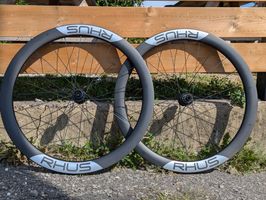
Check out our RHUS carbon fiber wheels available in 38mm, 50mm, 60mm, and 88mm rim depths.

All of our staff are active cyclists, xc-skiers, and runners - so we know how important it is to have equipment properly tailored to an athlete's specific needs.


NOTE! No appointments needed for ski wax service - just bring your skis in and we will go from there!


Most repairs are completed within 48 hours of drop-off. Give us a call at 613-422-5616 to confirm turnaround time for your specific service.

Euro-Sports

More Posts

How to Fuel Long Rides Without Hitting the WallHow to Fuel Long Rides Without Hitting the Wall
How to Fuel Long Rides Without Hitting the Wall

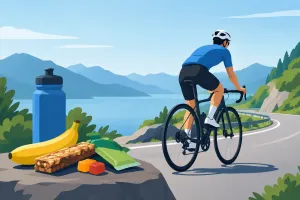
A strong long ride can unravel surprisingly fast. You may feel excellent for the first two hours, then suddenly find every rise harder than it should be, your focus fading and your legs empty. That is rarely a fitness problem alone. Knowing how to fuel long rides means giving your body carbohydrate, fluid, sodium, and enough practice to use them when the pace lifts.


For Ottawa road loops, long gravel days in Lanark County, race simulations, or an all-day ride with friends, the goal is not to see how little you can consume. The goal is steady energy, clear decision-making, and enough left in the legs to enjoy the final hour rather than merely survive it.

Trail Running Shoes That Match Your TerrainTrail Running Shoes That Match Your Terrain
Trail Running Shoes That Match Your Terrain

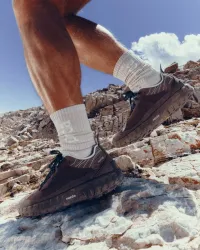
A muddy Gatineau descent, a root-laced loop at Camp Fortune, or a fast gravel connector on the Greenbelt all ask different things of your footwear. The right trail running shoes let you run with commitment rather than picking your way through every wet rock and loose corner. The wrong pair can leave your feet sliding in the shoe, your calves working overtime, and your confidence disappearing before the climb is over.


For Canadian runners, choosing a trail shoe is less about finding the most aggressive-looking outsole and more about matching grip, protection, fit, and cushioning to the routes you actually run. Our team rides, skis, and runs locally, and we know that one shoe rarely excels everywhere.

<p>Road Running Shoes for Racing That Fit Your Goal</p><p>Road Running Shoes for Racing That Fit Your Goal</p>

Road Running Shoes for Racing That Fit Your Goal

A race shoe earns its place long before the starting gun. It has to feel secure through the final turn, stay predictable when your form gets tired, and give you enough protection to train consistently on Ottawa pavement. The best road running shoes for racing are not automatically the lightest or most aggressively plated pair. They are the pair that lets you run your planned pace with confidence from kilometer one to the finish.


For a 5K specialist, that may mean a low, sharp shoe with a direct feel. For a first marathon or a spring half in changeable Canadian weather, it may mean more foam, a stable platform, and an upper that will not create trouble after 90 minutes. Race-day footwear should be selected for the athlete, the course, and the distance - not just the marketing label.

Skate Roller Skis for Beginners Start RightSkate Roller Skis for Beginners Start Right
Skate Roller Skis for Beginners Start Right

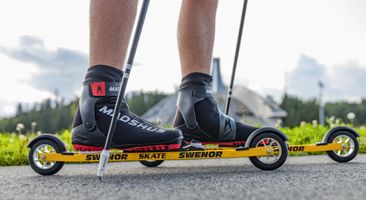
A smooth stretch of pavement can turn summer training into the closest thing to skating on snow - but skate roller skis for beginners demand more respect than most first-time skiers expect. They roll quickly, do not stop on command, and punish rushed technique. Start with stable equipment, a quiet low-traffic route, and a few focused skills, and roller skiing becomes one of the best ways to build fitness and ski-specific confidence before winter.

Best Road Bike Tire Width for Real-World SpeedBest Road Bike Tire Width for Real-World Speed
Best Road Bike Tire Width for Real-World Speed

A 23 mm tire at 120 psi once looked like the fast choice on a road bike. On Ottawa pavement, country roads and the rougher sections of a long group ride, it often feels more like a compromise. The best road bike tire width is now usually wider than many riders expect, because lower rolling resistance, better control and less fatigue matter more than an old-school narrow profile.


For most performance road riders, 28 mm is the current starting point. It is not automatically the right answer for every bike, wheelset, event or rider, but it is the size against which other options should be measured. The right tire width has to work with your rim, frame clearance, riding surface, body weight and the pressure you can run safely.

<p>Cycling Helmets Canada Riders Choose for Performance</p><p>Cycling Helmets Canada Riders Choose for Performance</p>

Cycling Helmets Canada Riders Choose for Performance

A helmet that feels fine for ten minutes in a shop can become a pressure point halfway through a three-hour Gatineau gravel ride. That is why choosing cycling helmets Canada riders can depend on is not simply about finding the lowest weight or the most aggressive shape. It is about matching protection, fit, ventilation and riding discipline to the conditions you actually face.


A road rider training before work in Ottawa, a mountain biker spending a wet afternoon at the trailhead, and a cyclocross racer lining up in October do not need exactly the same helmet. The right choice should disappear once you are riding, while still providing the coverage, retention and impact protection appropriate to your sport.


A Cross Country Mountain Bike Build That FitsA Cross Country Mountain Bike Build That Fits
A Cross Country Mountain Bike Build That Fits

A fast bike that feels nervous on wet roots is not a race bike for most Canadian riders. Neither is a 14 kg trail bike with a lockout lever. A thoughtful cross country mountain bike build starts with the riding you actually do: long training loops, technical singletrack, local marathon events, or short-course racing where every acceleration matters.


The goal is not simply the lightest number on the scale. It is a bike that carries speed, tracks accurately when tired, climbs without wasted movement, and can be maintained through a full season of mud, dust, travel, and race weekends. Frame choice matters, but so do the decisions made around suspension travel, wheels, tires, cockpit position, and gearing.

Time Trial Bike Configuration That Holds SpeedTime Trial Bike Configuration That Holds Speed
Time Trial Bike Configuration That Holds Speed

A fast time trial bike can still be slow if you cannot stay in position for the full effort. The best time trial bike configuration is not a catalogue of the most aerodynamic parts. It is a system built around your body, power output, course profile and ability to produce speed while remaining composed.


For a 20-minute club TT, a 70.3 bike leg or a full-distance triathlon, the priority stays the same: reduce drag without compromising the power, breathing and handling that let you use that lower-drag position. Start there, then make equipment choices that suit the roads and conditions you actually race.

Nordic Skis Ottawa for Faster Winter TrainingNordic Skis Ottawa for Faster Winter Training
Nordic Skis Ottawa for Faster Winter Training

Ottawa rewards skiers who choose their equipment carefully. With long cold stretches, fast machine-groomed tracks, icy mornings, fresh snow days, and spring thaw cycles, Nordic skis Ottawa athletes use need to work across far more than one snow condition. The right setup makes every kilometre quieter, quicker, and less frustrating. The wrong one can leave you fighting for grip, stability, or glide when the trail should be the easy part.