FREE SHIPPING ON ORDERS $100 +

Euro-Sports | yesterday

Cycling Helmets Canada Riders Choose for Performance

A helmet that feels fine for ten minutes in a shop can become a pressure point halfway through a three-hour Gatineau gravel ride. That is why choosing cycling helmets Canada riders can depend on is not simply about finding the lowest weight or the most aggressive shape. It is about matching protection, fit, ventilation and riding discipline to the conditions you actually face.


A road rider training before work in Ottawa, a mountain biker spending a wet afternoon at the trailhead, and a cyclocross racer lining up in October do not need exactly the same helmet. The right choice should disappear once you are riding, while still providing the coverage, retention and impact protection appropriate to your sport.


Cycling Helmets Canada Riders Need for Real Conditions


Canada asks a lot of cycling equipment. Summer road rides can be hot and humid, shoulder-season gravel routes can be cold and muddy, and long descents can turn a warm start into a chilly day quickly. A good helmet needs to manage sweat, stay stable in gusty crosswinds and continue to fit when you add eyewear, a cap or a thin thermal layer.


Start with a helmet certified for sale and use in Canada. Certification is the baseline, not a measure of which model is "safest" in every crash scenario. Look for the applicable safety certification label inside the helmet, then compare the details that affect how consistently you will wear it: shell coverage, retention-system adjustment, strap geometry, ventilation and comfort against your head shape.


Many performance helmets also use a slip-plane or rotational-impact management system. These designs are intended to reduce certain rotational forces in angled impacts. They can be a worthwhile feature, especially for riders who spend significant time on the road, trails or race courses, but they do not replace correct fit. A premium safety system cannot do its job as intended if the helmet shifts on your head.


Fit Comes Before Weight and Aerodynamics


The best helmet is one that sits level, remains secure and does not create hotspots. Riders often begin by measuring head circumference, but the number only gets you into the right size range. Head shape matters just as much. Some models suit a rounder profile; others provide more room from front to back or at the temples.


Set the helmet position first


Place the helmet low enough on the forehead to protect it, rather than tipped back like a cap. You should have roughly one to two finger widths above your eyebrows. If the helmet cannot sit there without interfering with glasses or creating pressure across the brow, try another model or size.


Tighten the rear retention dial until the helmet stays in place when you shake your head gently. It should feel secure, not clamped. Then adjust the side straps so they form a clean V beneath each ear, with the chin strap close enough to prevent excessive movement but comfortable enough for steady breathing and conversation.


A simple fit check is useful before every new helmet purchase: with the strap unfastened, lean forward. A well-fitted helmet should remain on your head rather than sliding toward your forehead. With the strap fastened, try to rotate it side to side. Minor movement is normal; significant shifting is not.


Choose Coverage for Your Ride Type


Road, gravel and cross-country riders often favor lightweight, highly ventilated helmets. On long efforts, reduced heat buildup can protect comfort and concentration. A road helmet may also prioritize compact styling and aerodynamic efficiency, particularly for fast group rides, racing and triathlon training.


For gravel, the ideal choice depends on your terrain. Smooth, fast rail trails may suit a road-oriented helmet with excellent ventilation. Rougher forest roads and technical doubletrack can make a model with more rear and temple coverage feel like the better decision. Gravel riding also tends to involve changing weather, so easy eyewear storage and a retention system that remains stable on washboard surfaces are valuable.


Mountain bike helmets generally offer deeper coverage around the back and sides of the head. Trail and enduro models may include a visor, which helps with low sun, rain and trail debris. The trade-off is often additional weight and less airflow at road-riding speeds. If your rides include technical descents, that trade-off is usually sensible.


For aggressive trail riding, bike-park laps or enduro racing, consider whether an open-face trail helmet provides enough protection for your terrain and speed. A full-face helmet offers substantially more coverage, but it is warmer, heavier and less practical for most everyday cross-country rides. Match the helmet to the most consequential part of the ride, not only the easy climb to the trailhead.


Ventilation Matters, But So Does Seasonal Versatility


Large vents are welcome during July heat, especially when climbing at low speed. Yet riders in Ontario know that a highly vented helmet can feel remarkably cold on March and November road rides. You do not necessarily need separate helmets, but you do need a plan.


A thin cycling cap, ear cover or wind-blocking headband can make a summer helmet usable deeper into the season without compromising fit. Choose low-bulk layers that sit flat beneath the retention system. Do not wear a thick toque under a helmet, and do not loosen the straps to make extra room. If temperatures are genuinely wintery, assess whether the road conditions and wind chill make the ride appropriate in the first place.


Colour deserves practical consideration as well. A bright helmet can improve visibility in dull weather and at dawn or dusk. White and lighter finishes stay more comfortable in direct sun for some riders, while darker finishes can better match a bike or kit. Visibility should also come from lights, clothing and predictable riding behaviour, not from helmet colour alone.


When a Helmet Needs Replacing


A helmet is single-impact equipment. Replace it after a crash where it contacts the ground or another object, even if the exterior appears nearly untouched. Impact foam can be damaged beneath the shell, and a helmet that has already absorbed an impact may not provide the same protection again.


Replace a helmet if you see cracks, dents, compressed foam, loose shell sections, damaged straps or a retention system that will no longer hold adjustment. Solvents, extreme heat and long exposure to UV can also degrade materials over time. Do not leave a helmet on a car dashboard, near a heat source or hanging where it can fall repeatedly.


All of our staff are active cyclists, xc-skiers, and runners - so we know how important it is to have equipment properly tailored to an athlete's specific needs.


NOTE! No appointments needed for ski wax service - just bring your skis in and we will go from there!


Most repairs are completed within 48 hours of drop-off. Give us a call at 613-422-5616 to confirm turnaround time for your specific service.

Euro-Sports

More Posts

Best Road Bike Tire Width for Real-World SpeedBest Road Bike Tire Width for Real-World Speed
Best Road Bike Tire Width for Real-World Speed

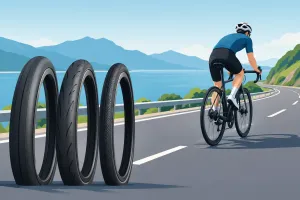
A 23 mm tire at 120 psi once looked like the fast choice on a road bike. On Ottawa pavement, country roads and the rougher sections of a long group ride, it often feels more like a compromise. The best road bike tire width is now usually wider than many riders expect, because lower rolling resistance, better control and less fatigue matter more than an old-school narrow profile.


For most performance road riders, 28 mm is the current starting point. It is not automatically the right answer for every bike, wheelset, event or rider, but it is the size against which other options should be measured. The right tire width has to work with your rim, frame clearance, riding surface, body weight and the pressure you can run safely.

A Cross Country Mountain Bike Build That FitsA Cross Country Mountain Bike Build That Fits
A Cross Country Mountain Bike Build That Fits

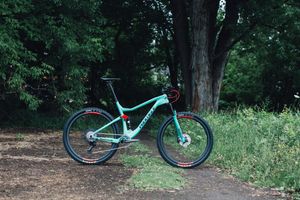
A fast bike that feels nervous on wet roots is not a race bike for most Canadian riders. Neither is a 14 kg trail bike with a lockout lever. A thoughtful cross country mountain bike build starts with the riding you actually do: long training loops, technical singletrack, local marathon events, or short-course racing where every acceleration matters.


The goal is not simply the lightest number on the scale. It is a bike that carries speed, tracks accurately when tired, climbs without wasted movement, and can be maintained through a full season of mud, dust, travel, and race weekends. Frame choice matters, but so do the decisions made around suspension travel, wheels, tires, cockpit position, and gearing.

Time Trial Bike Configuration That Holds SpeedTime Trial Bike Configuration That Holds Speed
Time Trial Bike Configuration That Holds Speed

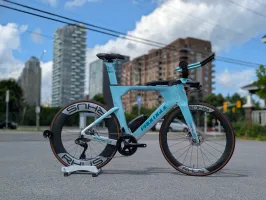
A fast time trial bike can still be slow if you cannot stay in position for the full effort. The best time trial bike configuration is not a catalogue of the most aerodynamic parts. It is a system built around your body, power output, course profile and ability to produce speed while remaining composed.


For a 20-minute club TT, a 70.3 bike leg or a full-distance triathlon, the priority stays the same: reduce drag without compromising the power, breathing and handling that let you use that lower-drag position. Start there, then make equipment choices that suit the roads and conditions you actually race.

Nordic Skis Ottawa for Faster Winter TrainingNordic Skis Ottawa for Faster Winter Training
Nordic Skis Ottawa for Faster Winter Training

Ottawa rewards skiers who choose their equipment carefully. With long cold stretches, fast machine-groomed tracks, icy mornings, fresh snow days, and spring thaw cycles, Nordic skis Ottawa athletes use need to work across far more than one snow condition. The right setup makes every kilometre quieter, quicker, and less frustrating. The wrong one can leave you fighting for grip, stability, or glide when the trail should be the easy part.


Trail Shoe Grip for Mud: What Really WorksTrail Shoe Grip for Mud: What Really Works
Trail Shoe Grip for Mud: What Really Works

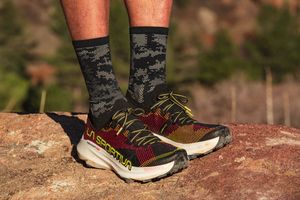
The first warm days in Ottawa often produce the messiest trail running: thawing ground, slick roots, greasy rock and clay that packs underfoot. Good trail shoe grip for mud is not just about avoiding a fall. It lets you keep a relaxed stride on technical singletrack, brake later on descents and spend less energy second-guessing every step.


The right shoe depends on where and how you run. A runner covering packed Gatineau paths after light rain needs something different from an athlete racing a muddy cross-country course or moving through deep, saturated forest trails. Lug depth matters, but lug shape, rubber compound, fit and your own foot placement all determine whether a shoe works when the ground turns soft.

What Makes the Best Cyclocross Bike for RacingWhat Makes the Best Cyclocross Bike for Racing
What Makes the Best Cyclocross Bike for Racing

A fast cyclocross bike is not simply a gravel bike with narrower tires. It is a machine built for hard accelerations, awkward dismounts, off-camber ruts, frozen grass, deep mud and the repeated effort of getting back to speed. The best cyclocross bike for racing is the one that fits your body, clears the tires your local course demands, and feels predictable when the race becomes messy.


For Ottawa-area racers, that can mean anything from dry, fast parkland to rain-softened grass, sandy features and late-season frozen ground. A bike that looks impressive on a showroom floor matters less than one that lets you brake late, shoulder it cleanly and put down power without second-guessing the front wheel.

How to Choose Skin Skis for Ottawa WintersHow to Choose Skin Skis for Ottawa Winters
How to Choose Skin Skis for Ottawa Winters

A classic Ottawa/Gatineau ski morning can move from hard-packed, fast tracks at -18 C to fresh snow and rising temperatures by lunch. That is exactly why learning how to choose skin skis is less about buying the longest or lightest pair on the wall and more about matching flex, camber and grip zone to the way you ski. Get it right and you gain the quiet confidence to stride uphill, glide efficiently and head out without a kick-wax decision every time.


Skin skis use a short strip of directional fibre, usually mohair, nylon or a blend, beneath the foot. The fibres grip when you drive the ski into the snow and release as the ski glides forward. They have made classic skiing more accessible, but they are not a one-size-fits-all answer. A properly selected skin ski can feel remarkably quick. A poorly matched pair can drag, slip or feel frustratingly dead.

<p>Why Choose a Custom Titanium Gravel Bike</p><p>Why Choose a Custom Titanium Gravel Bike</p>

Why Choose a Custom Titanium Gravel Bike

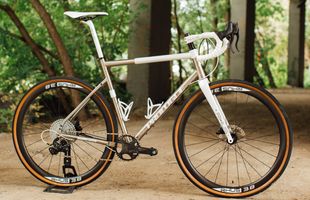
Ottawa gravel can change character three times before lunch: pavement out of the city, washboard on a concession road, then damp doubletrack under the trees. A custom titanium gravel bike is built for that reality, not for a catalogue category. It gives you the freedom to set the fit, handling, tire clearance and component choices around the routes, events and long days you actually ride. Titanium is not the automatic answer for every rider. A high-quality carbon gravel bike can be lighter, and a steel frame can deliver excellent ride feel at a lower entry price. But for riders who want a frame made for years of rough-road riding, travel, training and changing priorities, titanium offers a rare combination of durability, comfort and clean performance.
Bicycle Repair Ottawa Riders Can Count OnBicycle Repair Ottawa Riders Can Count On
Bicycle Repair Ottawa Riders Can Count On

A grinding drivetrain on the Prescott-Russell Trail, a brake that starts rubbing halfway through a Gatineau climb, or a flat before an early group ride can stop a good week of training cold.


Ottawa riders can access quickly is not just about getting a bike rolling again. It is about keeping your position, handling, braking, and shifting working the way they should when the ride matters.