FREE SHIPPING ON ORDERS $100 +

Euro-Sports | 2 hours ago

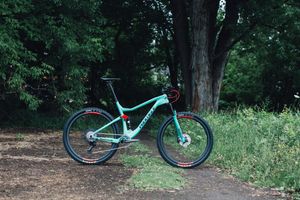
A Cross Country Mountain Bike Build That Fits

A fast bike that feels nervous on wet roots is not a race bike for most Canadian riders. Neither is a 14 kg trail bike with a lockout lever. A thoughtful cross country mountain bike build starts with the riding you actually do: long training loops, technical singletrack, local marathon events, or short-course racing where every acceleration matters.


The goal is not simply the lightest number on the scale. It is a bike that carries speed, tracks accurately when tired, climbs without wasted movement, and can be maintained through a full season of mud, dust, travel, and race weekends. Frame choice matters, but so do the decisions made around suspension travel, wheels, tires, cockpit position, and gearing.

Start Your Cross Country Mountain Bike Build With the Course


Cross-country has become broader than its old hardtail-and-2.1-inch-tire stereotype. Modern XC courses ask for climbing efficiency, but they also include rock slabs, compressed corners, root webs, drops, and high-speed descending. The right build depends on where your riding sits on that spectrum.


For smooth, rolling terrain and riders who prize direct power transfer, a hardtail remains a compelling option. It is lighter, simpler, easier to service, and rewards clean line choice. A quality carbon hardtail with a 100 mm fork can feel exceptionally quick on dry, less technical courses. It is also a smart choice for riders who want one machine for racing, training, and winter indoor maintenance without the added complexity of rear suspension.


A short-travel full-suspension bike is often the better all-round Canadian XC tool. With 100 to 120 mm of rear travel and a 110 to 120 mm fork, it preserves traction on Ottawa-area roots and rocks, reduces fatigue over long distances, and lets many riders descend with more confidence. That confidence can be faster than any theoretical weight saving. The trade-off is a modest weight penalty, more pivots to inspect, and suspension service that needs a place in the annual budget.


Choose a frame by fit before finish or claimed frame weight. Stack, reach, seat-tube angle, and the available seatpost insertion depth determine whether you can create an efficient position without an extreme stem or a saddle pushed to its limit. On a custom Prologue build, geometry, frame material, paint, and component selection can be specified around the rider instead of asking the rider to adapt to a stock configuration.


Suspension Should Create Grip, Not Bounce


Suspension is where many otherwise excellent XC bikes lose their edge. An overinflated fork may feel efficient in a parking lot, then deflect off roots and force braking on the trail. A rear shock with too much sag may provide comfort but sit low in corners and bob under power. Set-up needs to reflect rider weight, equipment, terrain, and riding style.


For a full-suspension XC bike, begin with the manufacturer’s sag range, then test it on familiar terrain. Pay attention to whether the rear wheel maintains contact while climbing loose roots and whether the bike stays composed through repeated square-edge hits. Rebound should be quick enough to recover between impacts, but not so quick that the bike feels springy or unsettled.


Remote lockouts remain useful for racers and riders who spend time on paved connectors or smooth gravel climbs. They are not mandatory for every build. Modern XC suspension platforms can pedal efficiently in an open or intermediate setting, and one less cable can simplify the cockpit. If you do choose a remote, make sure it can be operated cleanly without changing your grip or interfering with a dropper post lever.


A dropper post deserves serious consideration, even for dedicated racing. A 100 to 125 mm dropper on the right frame lets you lower the saddle for descents, corners, remounts, and technical moves that would otherwise cost confidence. Pure weight-focused riders on very smooth courses may still choose a fixed post, but the time gained from better control is often greater than the grams saved.


Wheels and Tires Define the Ride


A premium wheelset changes more than the bike’s total weight. Lower rotating mass helps acceleration, while rim profile, spoke count, and hub engagement affect steering precision and response. For most riders, a durable carbon or high-quality alloy wheel with a sensible spoke count is a better investment than an ultra-light race wheel that needs constant truing after hard use.


Wide internal rims paired with 2.25 to 2.4 inch tires are now standard territory for modern cross-country riding. The extra tire volume delivers grip and damping without making the bike feel slow, especially when set up tubeless. A lighter, faster-rolling rear tire can work well for dry racing, while a more aggressive front tire gives braking confidence and better corner support.


Tire pressure must be tuned, not guessed. Rider weight, casing, rim width, trail moisture, and whether the bike is hardtail or full suspension all affect the right number. Start conservatively, then reduce pressure in small steps until traction improves without tire squirm, rim strikes, or burping. On rocky trails, a tougher casing may be faster over the course of a race because it allows you to ride decisively rather than protect a fragile tire.


Build the Cockpit Around Control and Breathing Room


The fastest position is one you can hold while producing power and looking where you need to go. Many riders chase a low handlebar because it looks race-ready, then end up with overloaded hands, a tight lower back, and reduced control on descents. A proper bike fit should establish saddle position first, then use stack height, bar rise, stem length, and bar width to create a balanced front end.


XC bars have become wider, commonly in the 740 to 760 mm range, because leverage matters on technical terrain. The correct width still depends on shoulder width, preferred terrain, and the trees on your regular trails. A rider who spends every weekend on tight singletrack may prefer a narrower, cleaner cockpit than a racer on open, modern courses.


Carbon bars can reduce vibration and save some weight, but their value depends on shape and fit. Do not select a bar only because it is light. Sweep, rise, and clamp diameter affect wrist angle and steering feel every time you ride. Grips, too, are a low-cost but meaningful choice: secure enough for wet gloves, comfortable enough for three-hour rides.

All of our staff are active cyclists, xc-skiers, and runners - so we know how important it is to have equipment properly tailored to an athlete's specific needs.


NOTE! No appointments needed for ski wax service - just bring your skis in and we will go from there!


Most repairs are completed within 48 hours of drop-off. Give us a call at 613-422-5616 to confirm turnaround time for your specific service.

Euro-Sports

More Posts

Time Trial Bike Configuration That Holds SpeedTime Trial Bike Configuration That Holds Speed
Time Trial Bike Configuration That Holds Speed

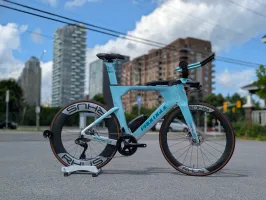
A fast time trial bike can still be slow if you cannot stay in position for the full effort. The best time trial bike configuration is not a catalogue of the most aerodynamic parts. It is a system built around your body, power output, course profile and ability to produce speed while remaining composed.


For a 20-minute club TT, a 70.3 bike leg or a full-distance triathlon, the priority stays the same: reduce drag without compromising the power, breathing and handling that let you use that lower-drag position. Start there, then make equipment choices that suit the roads and conditions you actually race.

Nordic Skis Ottawa for Faster Winter TrainingNordic Skis Ottawa for Faster Winter Training
Nordic Skis Ottawa for Faster Winter Training

Ottawa rewards skiers who choose their equipment carefully. With long cold stretches, fast machine-groomed tracks, icy mornings, fresh snow days, and spring thaw cycles, Nordic skis Ottawa athletes use need to work across far more than one snow condition. The right setup makes every kilometre quieter, quicker, and less frustrating. The wrong one can leave you fighting for grip, stability, or glide when the trail should be the easy part.


Trail Shoe Grip for Mud: What Really WorksTrail Shoe Grip for Mud: What Really Works
Trail Shoe Grip for Mud: What Really Works

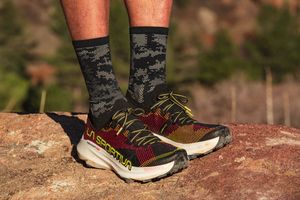
The first warm days in Ottawa often produce the messiest trail running: thawing ground, slick roots, greasy rock and clay that packs underfoot. Good trail shoe grip for mud is not just about avoiding a fall. It lets you keep a relaxed stride on technical singletrack, brake later on descents and spend less energy second-guessing every step.


The right shoe depends on where and how you run. A runner covering packed Gatineau paths after light rain needs something different from an athlete racing a muddy cross-country course or moving through deep, saturated forest trails. Lug depth matters, but lug shape, rubber compound, fit and your own foot placement all determine whether a shoe works when the ground turns soft.

What Makes the Best Cyclocross Bike for RacingWhat Makes the Best Cyclocross Bike for Racing
What Makes the Best Cyclocross Bike for Racing

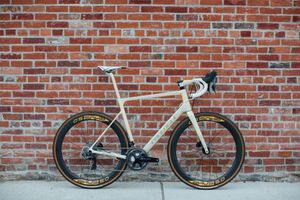
A fast cyclocross bike is not simply a gravel bike with narrower tyres. It is a machine built for hard accelerations, awkward dismounts, off-camber ruts, frozen grass, deep mud and the repeated effort of getting back to speed. The best cyclocross bike for racing is the one that fits your body, clears the tyres your local course demands, and feels predictable when the race becomes messy.


For Ottawa-area racers, that can mean anything from dry, fast parkland to rain-softened grass, sandy features and late-season frozen ground. A bike that looks impressive on a showroom floor matters less than one that lets you brake late, shoulder it cleanly and put down power without second-guessing the front wheel.

How to Choose Skin Skis for Ottawa WintersHow to Choose Skin Skis for Ottawa Winters
How to Choose Skin Skis for Ottawa Winters

A classic Ottawa/Gatineau ski morning can move from hard-packed, fast tracks at -18 C to fresh snow and rising temperatures by lunch. That is exactly why learning how to choose skin skis is less about buying the longest or lightest pair on the wall and more about matching flex, camber and grip zone to the way you ski. Get it right and you gain the quiet confidence to stride uphill, glide efficiently and head out without a kick-wax decision every time.


Skin skis use a short strip of directional fibre, usually mohair, nylon or a blend, beneath the foot. The fibres grip when you drive the ski into the snow and release as the ski glides forward. They have made classic skiing more accessible, but they are not a one-size-fits-all answer. A properly selected skin ski can feel remarkably quick. A poorly matched pair can drag, slip or feel frustratingly dead.

<p>Why Choose a Custom Titanium Gravel Bike</p><p>Why Choose a Custom Titanium Gravel Bike</p>

Why Choose a Custom Titanium Gravel Bike

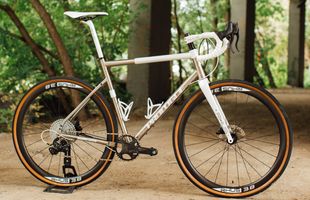
Ottawa gravel can change character three times before lunch: pavement out of the city, washboard on a concession road, then damp doubletrack under the trees. A custom titanium gravel bike is built for that reality, not for a catalogue category. It gives you the freedom to set the fit, handling, tire clearance and component choices around the routes, events and long days you actually ride. Titanium is not the automatic answer for every rider. A high-quality carbon gravel bike can be lighter, and a steel frame can deliver excellent ride feel at a lower entry price. But for riders who want a frame made for years of rough-road riding, travel, training and changing priorities, titanium offers a rare combination of durability, comfort and clean performance.
Bicycle Repair Ottawa Riders Can Count OnBicycle Repair Ottawa Riders Can Count On
Bicycle Repair Ottawa Riders Can Count On

A grinding drivetrain on the Prescott-Russell Trail, a brake that starts rubbing halfway through a Gatineau climb, or a flat before an early group ride can stop a good week of training cold.


Ottawa riders can access quickly is not just about getting a bike rolling again. It is about keeping your position, handling, braking, and shifting working the way they should when the ride matters.