FREE SHIPPING ON ORDERS $100 +

Euro-Sports | Sep 4

Why Choose a Custom Titanium Gravel Bike

Ottawa gravel can change character three times before lunch: pavement out of the city, washboard on a concession road, then damp doubletrack under the trees. A custom titanium gravel bike is built for that reality, not for a catalogue category. It gives you the freedom to set the fit, handling, tire clearance and component choices around the routes, events and long days you actually ride.

What titanium changes on gravel


A well-designed 3AL/2.5V titanium frame has a distinctive ride quality. It does not erase bumps, and it should not feel vague or soft. Instead, the frame can take the sharp edge off repeated chatter while retaining a direct, predictable response when you accelerate, climb out of the saddle or lean the bike through loose corners.


That balance matters on Canadian gravel. Long stretches of crushed stone, frost-heaved pavement and washboard create fatigue long before a big climb does. Wider tires and lower pressures do most of the work, but a frame that is tuned for real-world surfaces can help you stay fresher through the final hour.


Titanium also suits riders who expect their bike to see a lot. It is highly resistant to corrosion, an advantage through wet spring roads, salty shoulder-season conditions and bikepacking trips where a proper wash may need to wait. Its finish does not rely on paint to protect the material, although a custom paint or anodized detail can make the bike unmistakably yours.


The material has trade-offs. Titanium tubing, welding and finishing demand skilled work, which places these frames firmly in the premium category. Frame weight can also sit above an equivalent high-end carbon chassis, depending on tube selection and intended use. If your single goal is the lightest possible race build, carbon may be the better tool. If you value a long-term frame platform with a ride quality worth coming back to, titanium becomes compelling.


A custom titanium gravel bike starts with fit


The biggest advantage of going custom is not the badge on the downtube. It is starting with your position on the bike.


Stock geometry works well for plenty of riders, particularly when the available sizes match their proportions and intended use. Custom geometry is most valuable when there is a clear reason to adjust the platform: a long torso with shorter legs, a history of neck or hand discomfort, a need for more stack without a tower of spacers, or a preference for a longer and steadier bike for loaded riding.


A proper fit discussion should cover more than inseam and height. We look at current contact points, flexibility, injury history, riding volume, preferred hand positions and how aggressively you want to ride. A rider preparing for fast gravel events may accept a lower front end and more purposeful position. A rider planning eight-hour days on the Prescott-Russell Trail or multi-day routes through the Outaouais may prioritize stable support and more room to move.


Geometry choices then turn that information into handling. Reach and stack set the rider’s working position. Head angle, fork offset and trail influence steering feel. Chainstay length and wheelbase affect stability, climbing traction and how the bike behaves with bags. Even bottom-bracket height is a decision: lower can give a planted cornering feel, while additional clearance can make sense for rougher terrain and bigger tires.


Build around the riding, not the spec sheet


Titanium frame is only the foundation. The build determines whether the completed bike feels sharp, capable or mismatched. Before choosing components, identify the majority of your riding. Not the one dream event on the calendar, but the roads and trails you will use most weekends.


For fast mixed-surface riding and events such as the Quebec or eastern Ontario gravel calendar, a 45 mm tire on a responsive wheelset is often a smart starting point. It rolls quickly on pavement, grips well on dry gravel and keeps steering precise. Riders spending more time on forest roads, chunky rail trails or technical routes may be better served by 45 mm - 55mm tires, tougher casings and lower pressures.


Wheel choice deserves particular attention. Lightweight carbon wheels can bring immediate acceleration and precision, but they should be matched to rider weight, tire volume and the surfaces ahead. A more durable alloy wheelset is not a compromise if it gives you confidence to ride hard and keeps service simple on a loaded trip. Wide internal rims help modern gravel tires hold their shape, but excessively wide rims can change a tire’s profile and clearance requirements. The exact tire and rim combination should be considered together.


Drivetrain selection is equally personal. A 1x setup offers simplicity, chain retention and room for a wide-range cassette. It is an excellent choice for rough terrain, racing and riders who prefer straightforward shifting. A 2x drivetrain provides smaller jumps between gears and a higher top-end, which can matter if your gravel rides include fast group-road sections or long paved approaches.


Do not overlook contact points. Bar width, flare, reach, saddle shape and crank length affect comfort more than many riders expect. A compact bar with moderate flare may suit frequent road transitions. More flare can provide control on steep, loose descents, though too much can feel awkward for riders who spend hours in the hoods. The best build is the one that lets you maintain a strong, relaxed position when the route gets rough.

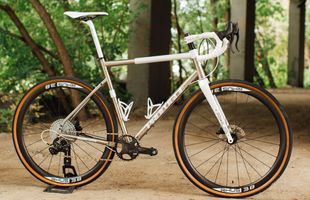
Check out our titanium Prologue Galbraith gravel bike or visit prologuebicycles.com for more information on our titanium bike models.


For more information, call the Euro-Sports shop at 613-422-5616 or email info@euro-sports.ca

Euro-Sports

More Posts

Skin Skis Versus Waxable Skis: Which Fits You?Skin Skis Versus Waxable Skis: Which Fits You?
Skin Skis Versus Waxable Skis: Which Fits You?

A cold Ottawa morning can give you dry, transformed snow in the tracks, a glazed sunny section by the parking lot, and fresh crystals under the trees - all in one ski. That is why the skin skis versus waxable skis decision is less about finding a universally better ski and more about choosing the setup that works for your skiing, your time, and the conditions you actually face.


For many recreational classic skiers, skin skis have removed the most frustrating part of the sport: trying to get reliable kick without sacrificing glide. For racers and committed training-focused skiers, a properly waxed pair still offers a level of speed and tuneability that skins cannot fully match. Both can be excellent equipment. The difference is in the details.


Best Nordic Ski Poles for Canadian SkiersBest Nordic Ski Poles for Canadian Skiers
Best Nordic Ski Poles for Canadian Skiers

A pole that is too soft, too long, or fitted with a loose strap turns every kilometre into wasted energy. The best Nordic ski poles are not simply the lightest pair on the wall. They match your technique, height, snow conditions, and how hard you intend to ski - whether that means steady laps at Gatineau Park, a midwinter loppet, or focused skate intervals before work.


For Canadian skiers, durability matters alongside weight. Poles see hard-packed tracks, icy parking lots, cold temperatures, road crossings, and the occasional awkward fall. The right model should feel fast in the hand without becoming a piece of race equipment you are afraid to use.

Skratch Hydration Review for Canadian Endurance AthletesSkratch Hydration Review for Canadian Endurance Athletes
Skratch Hydration Review for Canadian Endurance Athletes

A bottle that still tastes acceptable three hours into a humid Gatineau gravel ride is worth more than a flashy nutrition label. This Skratch hydration review looks at what the mix does well in real training conditions: long road rides, trail runs, Nordic ski sessions, races and the awkward shoulder-season days when Ottawa weather cannot decide what it is doing.


Skratch is not designed to be the most aggressively dosed product on the shelf. Its core appeal is a drink mix built around drinkability, moderate electrolyte replacement and straightforward carbohydrate intake. For many endurance athletes, that makes it a reliable default rather than a niche race-day tool.

How to Choose Roller Skis for Better TrainingHow to Choose Roller Skis for Better Training
How to Choose Roller Skis for Better Training

A good roller ski session should feel like ski training, not like a fight with nervous equipment. The right roller skis let you build ski-specific balance, strength and timing from spring through late fall, whether you are preparing for a local loppet, a race season, or simply want to arrive at the first snowfall ready to ski.


For Canadian Nordic athletes, selection comes down to more than skate versus classic. Wheel speed, frame material, wheel diameter, binding position and braking confidence all shape how productive and enjoyable your pavement training will be. Buy for the terrain you actually have, the technique you want to improve, and the level of control you need when fatigue sets in.

Cross Country Ski Tuning Frequency ExplainedCross Country Ski Tuning Frequency Explained
Cross Country Ski Tuning Frequency Explained

A fast ski on the wrong wax can feel slow. A neglected base on the right wax can feel just as frustrating. Getting cross country ski tuning frequency right is less about following a rigid calendar and more about reading your ski bases, the snow, and the work you expect them to do. Ottawa-area skiers can see dry midwinter cold, abrasive man-made snow, fresh natural snow, and freeze-thaw conditions in the same month. Your skis need different attention in each.


For most recreational skiers, regular glide waxing and basic base care will keep equipment running well all season. Racers, high-volume trainers, and skiers using premium race bases should tune more deliberately. The goal is not to wax for the sake of waxing. It is to protect the base, preserve glide, and make every session feel closer to the ski your equipment was built to be.

How to Prepare Race Nutrition for Race DayHow to Prepare Race Nutrition for Race Day
How to Prepare Race Nutrition for Race Day

A perfect bike fit, fast skis, or fresh running shoes can only do so much if your fuel plan falls apart at 90 minutes. Knowing how to prepare race nutrition means turning your training-day habits into a simple, repeatable system that delivers carbohydrate, fluid, and sodium when your body can use them.


For Ottawa-area athletes, the variables can be especially sharp. A hot Gran Fondo, a humid summer triathlon, a cold Nordic loppet, and a muddy cyclocross race do not create the same fueling demands. The goal is not to copy the plan of the fastest person in your start corral. It is to arrive with a plan that matches your event duration, intensity, gut tolerance, weather, and access to bottles or aid stations.

Ski Base Care Guide for Faster Nordic SkisSki Base Care Guide for Faster Nordic Skis
Ski Base Care Guide for Faster Nordic Skis

A Nordic ski can have excellent camber, a well-chosen grind, and the right flex for your weight, yet still feel slow if its base is dry, dirty, or damaged. This ski base care guide focuses on the work that protects your glide zones between Ottawa freeze-thaw cycles, abrasive hardpack, road grit near trail access points, and long kilometers of training.


Base care is not about chasing perfection after every outing. It is about recognizing what the ski needs, applying the right level of maintenance, and avoiding the shortcuts that create more work later. A few deliberate habits will keep your skis faster, more predictable, and ready when fresh tracks appear.

Ski Tuning Performance Starts at the BaseSki Tuning Performance Starts at the Base
Ski Tuning Performance Starts at the Base

A ski can feel fast in the shop and stubborn on the trail 20 minutes later. That gap is usually not about fitness or an expensive new ski. It is about ski tuning performance: how well the base structure, wax selection, base condition, and ski setup match the snow beneath you.


For Ottawa-area Nordic skiers, conditions can change from dry, abrasive cold to humid transformed snow in a matter of days. A tune that works beautifully at -12 C may feel slow at -2 C, especially after fresh snow has been skied in. The right preparation gives you a ski that releases cleanly, carries speed through flats, and remains predictable when the course gets technical.

Nordic Ski Boot Guide: Find Your Best FitNordic Ski Boot Guide: Find Your Best Fit
Nordic Ski Boot Guide: Find Your Best Fit

A Nordic ski boot can make a fast ski feel vague, a perfect wax day feel uncomfortable, and a long Gatineau or Kichi Sibi outing end early. It is the point where your body meets the ski, so fit and compatibility matter as much as ski length, camber, or base structure. This Nordic ski boot guide will help you choose a boot that supports the way you actually ski - whether that means steady classic kilometers, skate intervals, loppet racing, or a mix of Ottawa winter terrain.