What Professional Bicycle Repair in Ottawa Should Include
The right repair depends on the bike, the mileage, and the issue in front of you. A commuter ridden daily through all weather needs different attention than a race bike used for weekend road efforts, while a full-suspension mountain bike has its own bearings, pivots, and suspension service intervals.
That said, quality bicycle service starts with an assessment. A technician should check the condition of the frame and fork, wheels, tires, drivetrain, braking system, cockpit, and bearings before recommending work. This matters because a noisy chain may be caused by simple contamination, but it can also point to a worn chain, cassette, derailleur pulley, bottom bracket, or misaligned derailleur hanger.
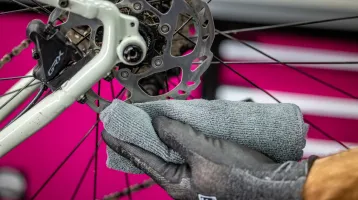
A proper repair is not a collection of random adjustments. It is a system check. Your brake lever feel, rotor alignment, wheel true, tire condition, headset preload, shifting accuracy, and bolt torque all affect how confidently the bike rides.
The difference between a quick fix and a tune-up
A quick repair is ideal when there is a clear, isolated problem: replacing a punctured tube, installing a new chain, truing a wheel, adjusting a derailleur, or correcting brake rub. It gets you moving efficiently when the rest of the bike is in sound condition.
A tune-up is broader. It makes sense when shifting has become inconsistent, braking feels vague, the bike has been stored for a season, or several small issues are adding up. It is also the smart move before a cycling trip, a fondo, a triathlon, or a major event where mechanical uncertainty is an unnecessary distraction.
The trade-off is straightforward. A quick adjustment costs less and may be exactly what is needed. But if components are worn beyond adjustment, repeatedly tuning around them can cost more in the long run and leave the bike less dependable. A good shop will explain that distinction clearly rather than selling work your bike does not need.
Signs Your Bike Needs Attention Now
Some maintenance can wait for a convenient service appointment. Other problems should be addressed before your next ride, especially where braking, steering, wheel retention, or structural damage is involved.
Do not ignore a crack in a carbon frame, fork, handlebar, or seatpost; a loose headset; a wheel that shifts in the dropouts; a brake lever that pulls to the bar; or a tire with a visible casing cut or bulge. These are safety issues, not minor annoyances. Stop riding and have the bike inspected.
Other warning signs are less urgent but still worth acting on soon. A chain that skips under load can damage an already worn cassette and chainrings. A creak from the bottom bracket area could be as simple as a dry pedal thread, but it could also be a loose crank, worn bearing, or contaminated interface. A wheel that rubs only occasionally may be slightly out of true, but it can also signal a loose spoke or bearing play.
Pay attention to changes in feel. If your bike once shifted cleanly and now hesitates between gears, something has changed. If your hydraulic brakes have lost their decisive bite, pads may be worn, rotors contaminated, or the system may need service. Small changes are often cheapest to address before they become component replacements.
Ottawa Conditions That Wear Components Faster
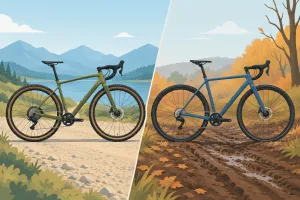
Ottawa's riding season is long enough to reward consistent maintenance and varied enough to punish neglect. Fine road grit and wet debris create a grinding paste on chains, cassettes, and chainrings. If you ride after rain or on shoulder-season roads, wiping the chain and applying the correct lubricant is one of the highest-value habits you can build.
Avoid over-lubricating. A heavily coated chain collects more dirt, especially on gravel and mixed-surface routes. Apply lube sparingly to the rollers, let it settle, then wipe the outside of the chain. The lubricant belongs inside the moving surfaces, not all over the drivetrain.
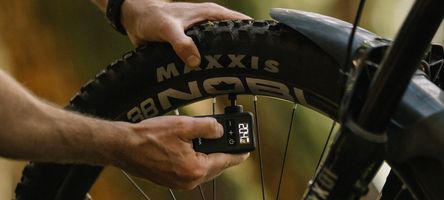
Tubeless riders should also check sealant regularly. Sealant dries over time, and a tire that sealed last month may not protect you from the next thorn, piece of glass, or sharp trail rock. Before long gravel rides or events, inspect tread, sidewalls, plugs, valve cores, and sealant level rather than assuming the setup is ready.
For bikes stored through winter, spring is the right time for a deliberate inspection. Check tire pressure and sidewalls, test brake function, inspect cables and housing, spin wheels, and look for corrosion around bolts, chains, and contact points. Salt residue can continue doing damage long after the roads are dry.
Getting Better Results From Your Service Visit
Bring the bike in as it is normally ridden. Leave your usual wheels, pedals, saddle, and accessories installed unless the shop has asked otherwise. If the issue happens only under power, in a specific gear, or after the bike warms up, describe that detail. Good information speeds diagnosis.
It also helps to mention recent changes. A new wheel, cassette, chain, handlebar, travel case, crash, or home adjustment can all be relevant. A drivetrain that began skipping after a wheel swap may have an axle seating, cassette, derailleur alignment, or compatibility issue. The more precise the starting point, the less guesswork a technician needs.
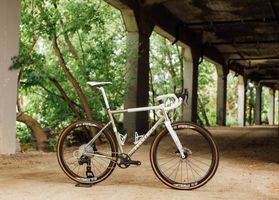
If your bike has electronic shifting, suspension, integrated cabling, a power meter, or an unusual cockpit setup, say so when booking service. Performance equipment is highly capable, but it often needs model-specific tools, software knowledge, and parts. This is particularly true for modern aero road bikes, gravel bikes with internal routing, and high-end mountain bikes.
At Euro-Sports, our workshop team approaches repairs with the same practical standard we bring to our own training and racing: solve the issue properly, protect the equipment, and get you back to your next ride with confidence. Most common repairs can be completed within 48 hours.